

US diesel crack spread hits record $100/bbl as Iran war tightens supply


US diesel crack spreads hit a record $100/bbl due to Iran war-related supply constraints and robust exports. National average prices rose to $5.5042/gallon, intensifying cost pressures on freight and agriculture while influencing political sentiment ahead of midterms.


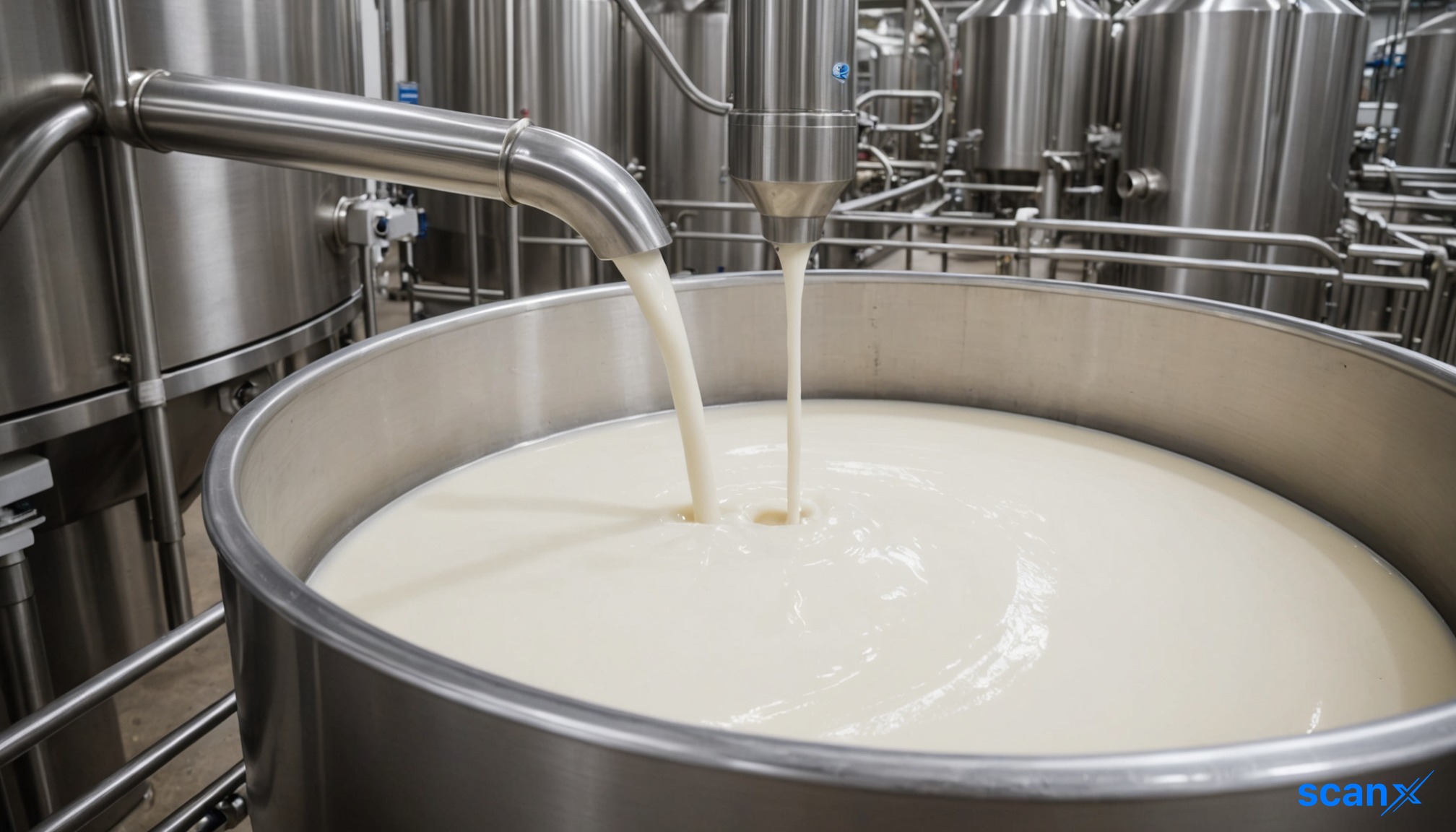
*this image is generated using AI for illustrative purposes only.
Diesel refining margins in the United States have reached unprecedented levels, with the crack spread hitting $102/bbl on Monday before moderating to approximately $100/bbl on Tuesday. This surge marks a significant departure from historical norms, as the metric had never previously exceeded $89/bbl. The spike is attributed to tightening global fuel supplies stemming from the Iran war, which threatens to ripple through trucking, agriculture, and the broader economy.
Supply Crunch and Export Pressure
Strong US diesel exports are exacerbating domestic shortages by drawing down already tight inventories. According to Bank of America Corp (NYSE: BAC), cited in a Wall Street Journal report, this export activity is fueling global competition for fuel and pushing cracks toward record seasonal highs. Diesel remains critical for transportation, energy generation, and farming equipment, particularly as the fall harvest season approaches.
| Metric | Value | Context |
|---|---|---|
| Diesel Crack Spread | $100/bbl | Record high; previously capped at $89/bbl |
| National Avg Price | $5.5042/gallon | Up from $5.4677/gallon on Tuesday |
| California Avg Price | $7.0066/gallon | Topped $7 threshold |
Elevated diesel costs pose direct risks to food-price pressures and freight logistics. Trucks transporting goods rely heavily on diesel, while heating demand is expected to rise with colder winter temperatures.
Political and Policy Implications
The soaring prices carry political weight ahead of the November midterm elections. A Financial Times report highlighted that over 50% of American voters disapprove of President Donald Trump’s policies, citing high grocery and fuel costs. Energy Secretary Chris Wright pointed to a surge in Texas oil production as a potential offset to the supply crunch caused by the Strait of Hormuz closure and the Russia-Ukraine conflict. Wright also attributed high fuel costs partly to former President Joe Biden-era clean energy laws.
What the Numbers Show
The divergence between the historic low of the crack spread ($89/bbl) and the current level ($100/bbl) indicates a structural shift in refinery profitability rather than a temporary fluctuation. With exports actively reducing domestic inventory buffers, the margin expansion reflects acute scarcity rather than operational efficiency gains. This concentration of supply risk suggests that any further geopolitical escalation could disproportionately impact downstream sectors like agriculture and logistics, where diesel input costs are non-negotiable.

How might the current diesel export surge impact US domestic inventory levels during the peak fall harvest and winter heating seasons?
What specific policy measures could the administration implement to mitigate the political fallout from high fuel costs ahead of the November midterms?
To what extent could increased Texas oil production offset the supply constraints caused by the Strait of Hormuz closure and geopolitical tensions?
 15
15






 Access Market Heat-map & Insights
  Create, Save & Share your Screener
  Use 200+ Screening Filters





