

US crude inventories fall 3.06 million barrels, missing estimates


- US crude inventories fell 3,060K barrels vs 100K barrel estimate
- Drawdown exceeded expectations by approximately 2,960K barrels
- Previous week saw a larger draw of 8,557K barrels
- Cushing inventories rose 987K barrels despite national decline



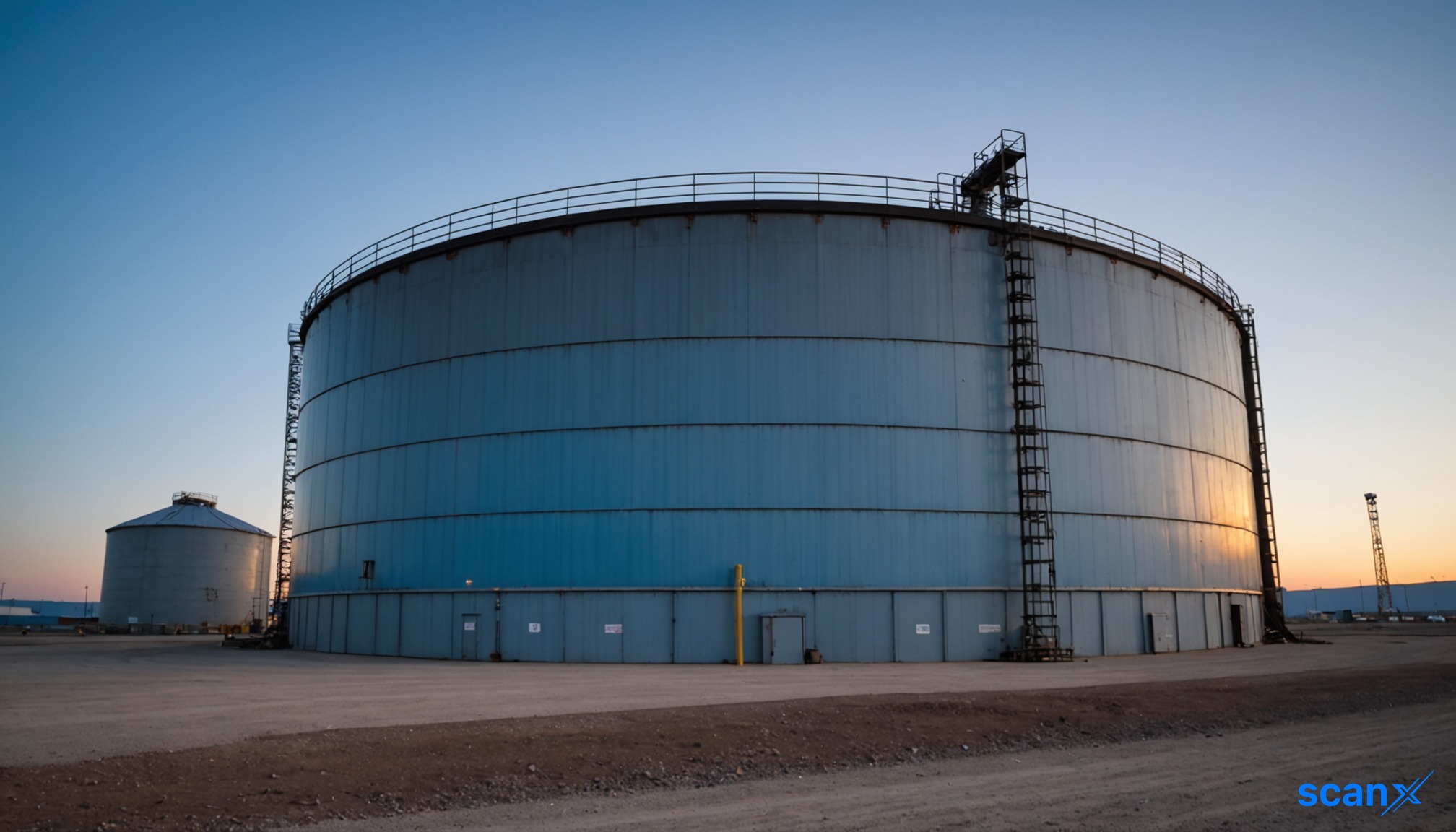
*this image is generated using AI for illustrative purposes only.
US crude oil inventories declined by 3,060K barrels (3.06 million barrels) in the latest reporting period, a significantly larger drawdown than the expected -100K barrels (0.100 million barrels). This substantial reduction in national stockpiles contrasts with the previous week's draw of 8,557K barrels, indicating a moderation in the pace of inventory depletion.
Inventory data breakdown
The latest data reveals diverging trends between national crude stocks and the key Cushing, Oklahoma storage hub. While total US crude inventories contracted, Cushing inventories expanded, suggesting a shift in regional distribution or pipeline flows.
| Metric | Actual | Previous | Estimate |
|---|---|---|---|
| US Crude Inventories | -3,060K | -8,557K | -100K |
| US Cushing Crude Inventories | 987K | 1,862K | N/A |
What the numbers show
The actual drawdown of 3,060K barrels exceeded analyst expectations by a wide margin, representing a deviation of approximately 2,960K barrels from the consensus estimate of 100K barrels. However, this draw was smaller than the previous week's decline of 8,557K barrels, suggesting that while supply tightness persists, the rate of inventory consumption has slowed compared to the prior period. Simultaneously, the increase in Cushing inventories by 987K barrels indicates that the physical hub is accumulating stock even as national totals fall, potentially pointing to logistical bottlenecks or changing export schedules.

How might the divergence between falling national inventories and rising Cushing stocks impact the WTI-Brent spread in upcoming trading sessions?
Will the significant miss against consensus estimates trigger a reassessment of demand forecasts by major energy agencies like the EIA or IEA?
What specific logistical bottlenecks or export schedule changes are driving the accumulation of crude at the Cushing hub despite overall national drawdowns?
 19














 Access Market Heat-map & Insights
 Create, Save & Share your Screener
 Use 200+ Screening Filters





