

U.S. Natural Gas Futures Surge 81% Over Three Days to Highest Since December 2022


U.S. natural gas futures have surged 81% over three days to reach their highest levels since December 2022. The dramatic price increase is driven by extreme cold weather that has simultaneously boosted heating demand and caused production disruptions as wells freeze. This combination of increased consumption and reduced supply has created significant upward pressure on natural gas prices.

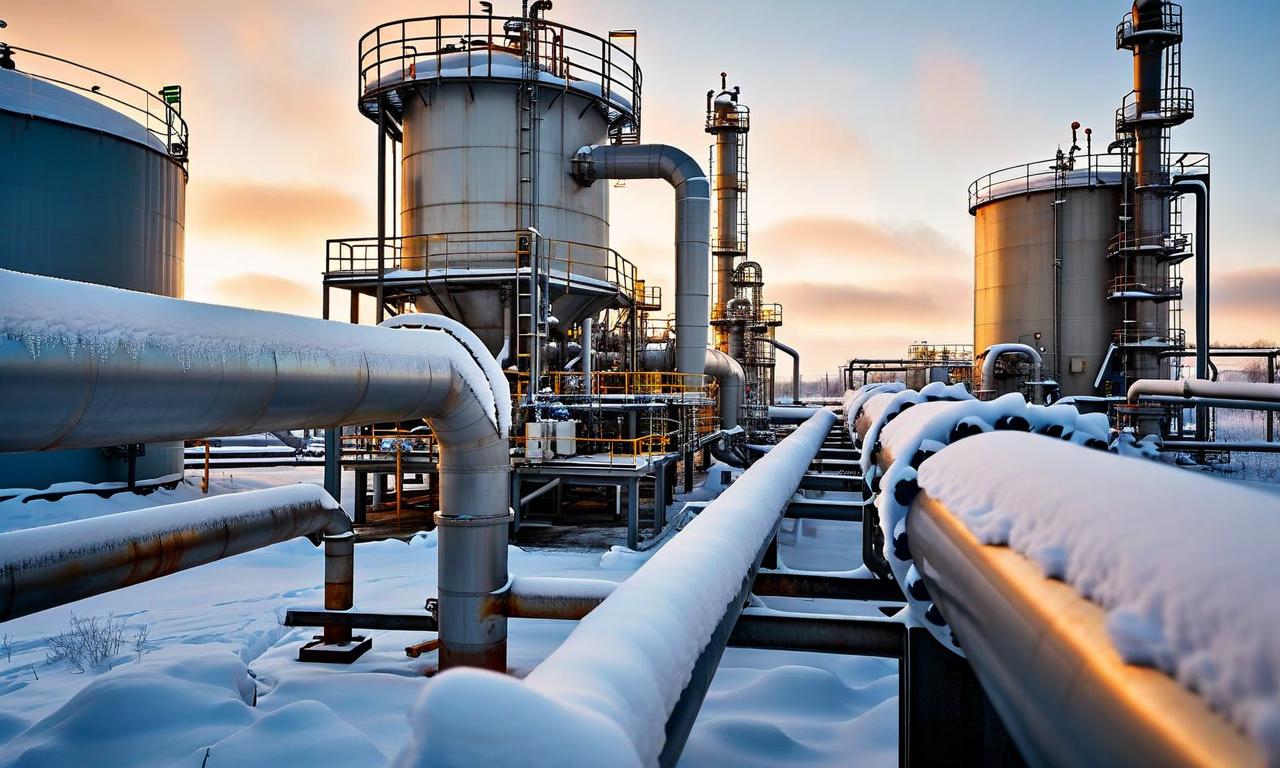

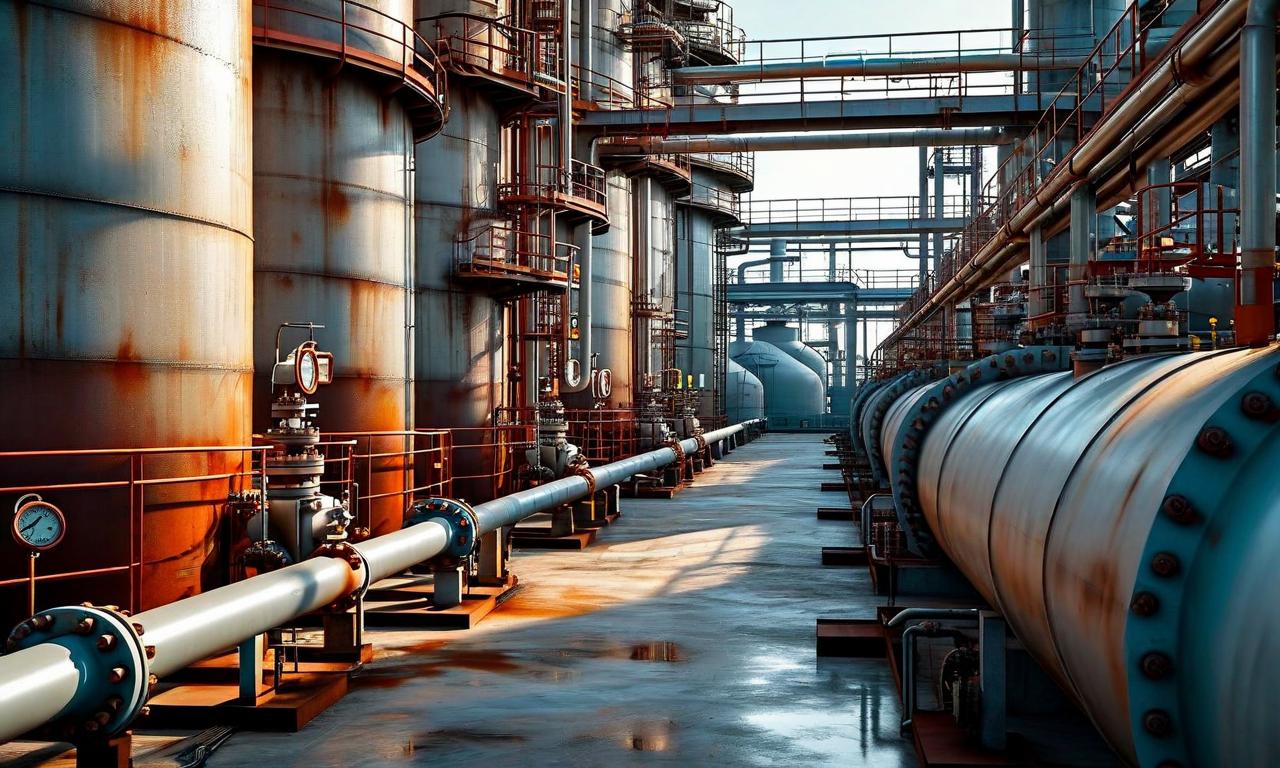
*this image is generated using AI for illustrative purposes only.
U.S. natural gas futures have experienced a remarkable surge, extending gains to reach their highest levels since December 2022. The commodity has posted an impressive 81% increase over just three days, highlighting the volatile nature of energy markets during extreme weather events.
Extreme Weather Drives Price Surge
The dramatic price movement stems from severe cold weather conditions affecting multiple regions across the United States. This extreme cold has created a perfect storm for natural gas markets, simultaneously increasing demand while constraining supply.
Key Market Drivers:
| Factor | Impact |
|---|---|
| Heating Demand | Significantly increased due to extreme cold |
| Well Operations | Production disrupted as wells freeze |
| Price Movement | 81% gain over three days |
| Price Level | Highest since December 2022 |
Supply and Demand Dynamics
The current market situation reflects the dual impact of weather on natural gas fundamentals. On the demand side, extreme cold temperatures have led to increased heating requirements across residential, commercial, and industrial sectors. Simultaneously, the same cold conditions have created operational challenges for natural gas production facilities, with wells freezing and reducing output capacity.
Market Context
The 81% price increase over three days represents one of the most significant short-term movements in the natural gas market. Reaching levels not seen since December 2022 underscores the magnitude of the current supply-demand imbalance created by the extreme weather conditions.
This price surge demonstrates how weather events can rapidly transform energy commodity markets, particularly during peak heating season when natural gas demand is already elevated. The combination of increased consumption and production constraints has created substantial upward pressure on futures prices, reflecting the market's response to immediate supply-demand fundamentals.
 19
19






 Create Custom Screeners
  Access 200+ Pre-built Filters
  Use 50+ Readymade Screener





