

U.S. Cushing Crude Oil Stocks Fall by 742,000 Barrels


U.S. Cushing crude oil inventories decreased by 742,000 barrels, reversing the previous period's increase of 308,000 barrels. This significant shift in storage levels at the key delivery hub indicates changing market dynamics, potentially reflecting increased demand or reduced supply flows.



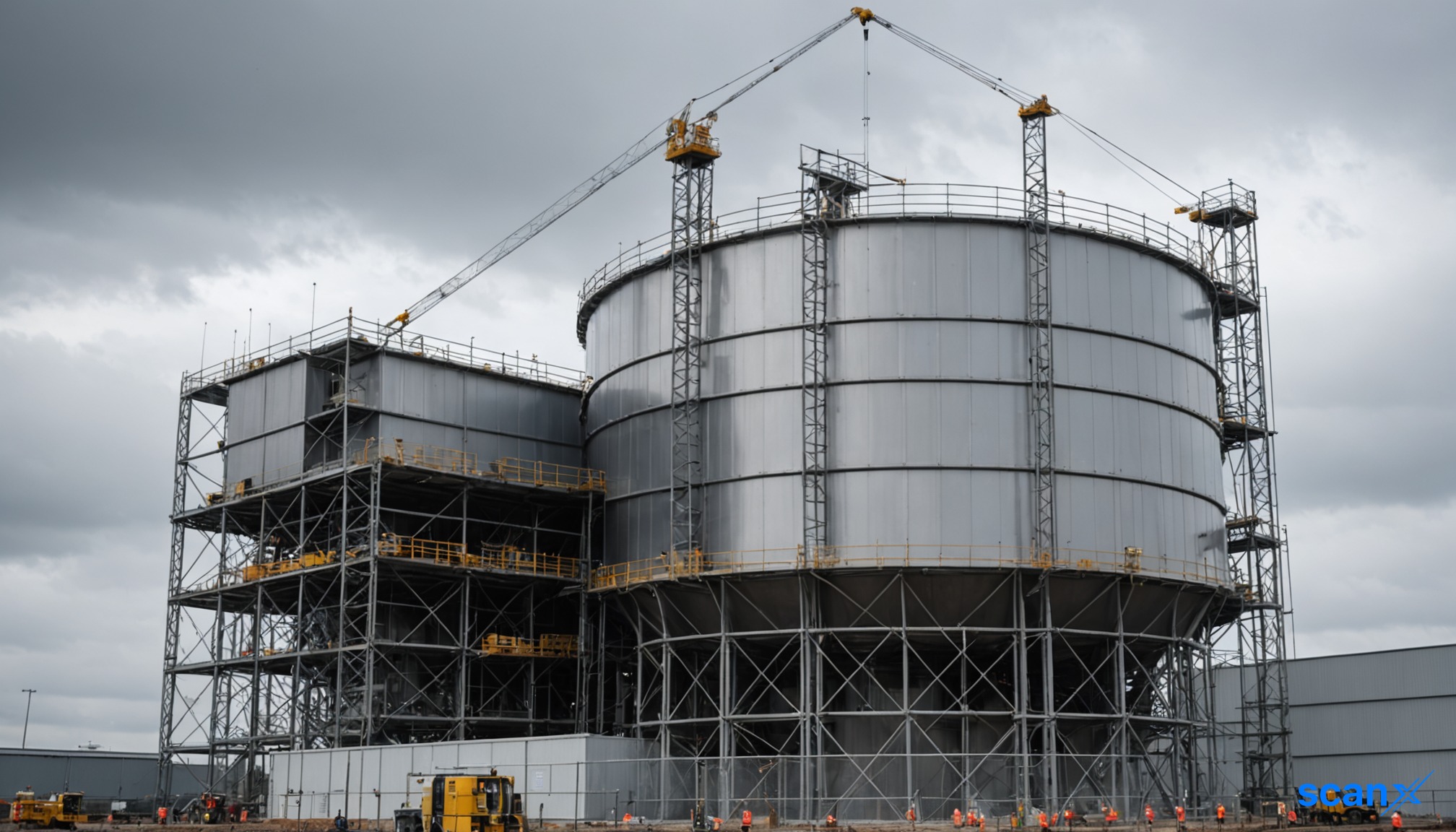
*this image is generated using AI for illustrative purposes only.
U.S. Cushing crude oil inventories declined by 742,000 barrels, reversing the previous period's increase of 308,000 barrels, indicating a significant shift in storage levels at the key delivery hub.
Inventory Movement Analysis
The latest data reveals a stark contrast between consecutive reporting periods, with Cushing crude oil stocks experiencing substantial volatility:
| Period | Inventory Change | Volume (barrels) |
|---|---|---|
| Current Period | Decrease | 742,000 |
| Previous Period | Increase | 308,000 |
| Net Swing | Total Change | 1,050,000 |
Market Significance
The Cushing storage hub serves as the delivery point for West Texas Intermediate (WTI) crude oil futures and represents a key barometer for U.S. oil market conditions. The transition from inventory builds to significant draws indicates shifting market dynamics, with the 742,000-barrel decline suggesting either increased demand for crude oil or reduced supply flows into the facility.
The magnitude of the inventory swing—totaling over 1 million barrels when combined with the previous period's build—demonstrates the volatile nature of crude oil storage levels and their responsiveness to market conditions. Such movements in Cushing inventories are closely monitored by market participants as they can influence oil pricing and trading strategies.
Storage Hub Dynamics
Cushing's role as a major storage and distribution center makes these inventory changes particularly significant for understanding broader U.S. oil market trends. The facility's capacity to accommodate large volume fluctuations serves as a buffer for supply and demand imbalances, with the current drawdown potentially reflecting increased refinery activity or export demand.
 15
15








 Create Custom Screeners
  Access 200+ Pre-built Filters
  Use 50+ Readymade Screener





