

Iraq Halts All Oil Port Operations Following Tanker Attack in Territorial Waters


Following an attack on two foreign oil tankers in Iraqi territorial waters that resulted in fires and evacuation of 25 crew members, Iraq has completely suspended all oil port operations while commercial ports continue normal operations, highlighting targeted security concerns for energy infrastructure.

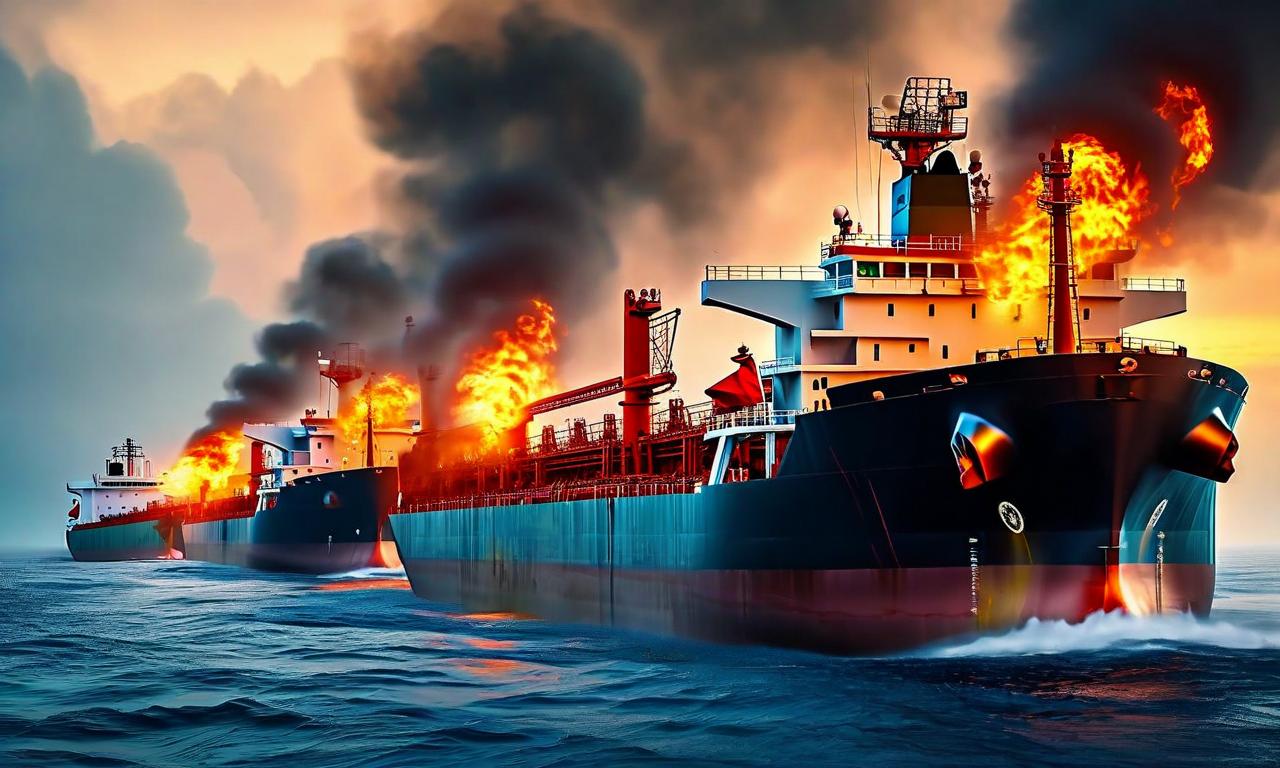

*this image is generated using AI for illustrative purposes only.
Iraq has completely halted operations at all oil ports following an attack on two foreign oil tankers in territorial waters, according to an Iraqi official via the state news agency. The dramatic escalation comes after both vessels caught fire during the incident, prompting emergency evacuations while commercial ports continue normal operations.
Attack Details and Immediate Response
Two foreign oil tankers carrying Iraqi fuel oil came under attack within Iraq's territorial waters, resulting in both vessels catching fire. Iraqi authorities responded swiftly to the emergency, successfully evacuating 25 crew members from the burning vessels while fires continued to rage on both ships.
| Incident Impact: | Details |
|---|---|
| Vessels Affected: | Two foreign tankers |
| Cargo: | Iraqi fuel oil |
| Location: | Iraqi territorial waters |
| Crew Evacuated: | 25 members |
| Oil Port Status: | Completely halted |
| Commercial Ports: | Continue operating |
Port Operations Suspended
The attack has triggered a complete shutdown of Iraq's oil port operations, representing a significant disruption to the country's energy export capabilities. However, commercial ports remain operational, indicating authorities are taking targeted security measures specifically for oil-related maritime infrastructure.
Ongoing Security Concerns
With fires still burning on both attacked tankers and oil port operations suspended, the incident highlights critical security vulnerabilities in Iraq's maritime energy infrastructure. The selective halt of oil ports while maintaining commercial operations suggests authorities are treating this as a targeted threat to energy exports rather than general maritime security.
 19
19





 Create Custom Screeners
  Access 200+ Pre-built Filters
  Use 50+ Readymade Screener





