

OPEC+ Maintains Strategy Despite Surplus Concerns, Venezuela Raises Issues


OPEC+ agreed to maintain steady oil production at Sunday's meeting involving eight key members, planning to increase output targets by 2.90 million barrels per day from April to December. The decision comes amid geopolitical tensions between Saudi Arabia and UAE, Venezuela-related issues, and challenging market conditions including an 18.00% decline in oil prices and growing global surplus concerns.

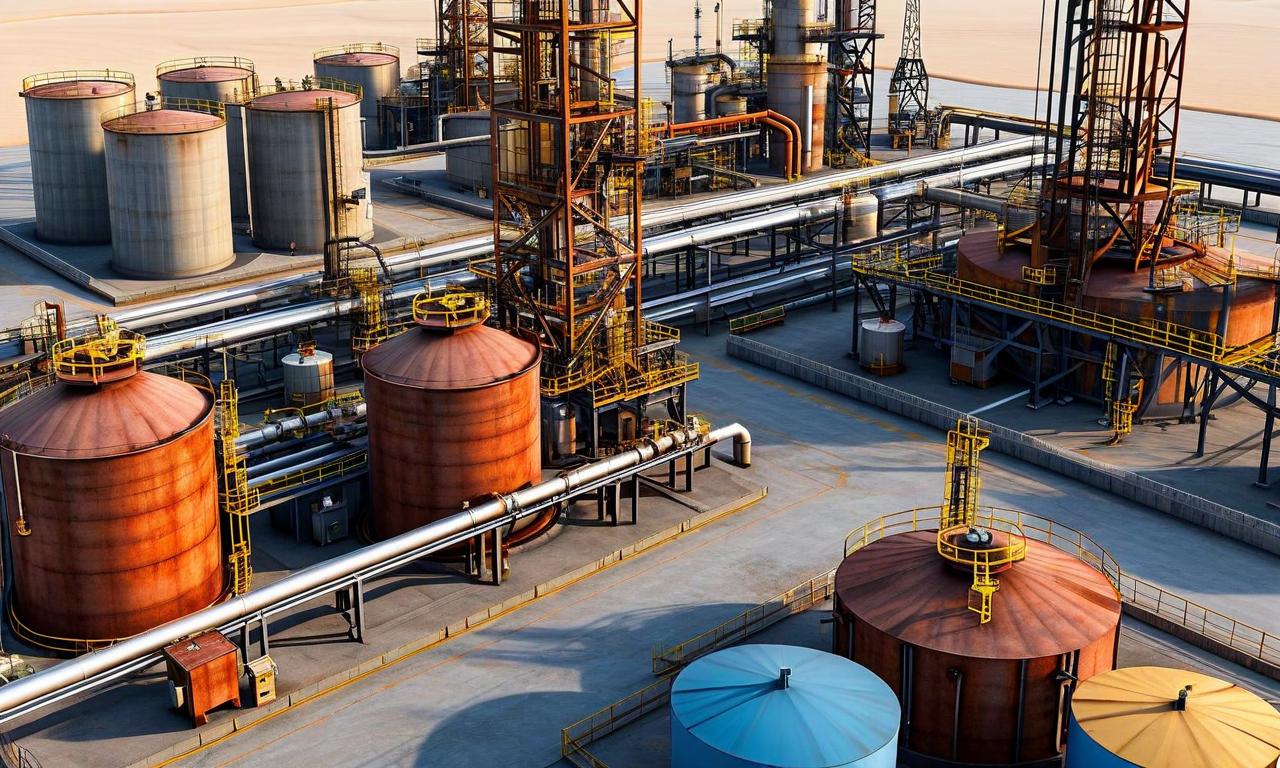

*this image is generated using AI for illustrative purposes only.
OPEC+ agreed to maintain steady oil output at Sunday's meeting despite political tensions between key members Saudi Arabia and the UAE, with Venezuela-related issues adding complexity to market considerations. The eight-member group, which pumps about half the world's oil, confirmed production decisions amid challenging market conditions including an 18.00% decline in oil prices during their steepest yearly drop since 2020.
Sunday Meeting Outcomes
The meeting involved eight key OPEC+ members: Saudi Arabia, Russia, the UAE, Kazakhstan, Kuwait, Iraq, Algeria and Oman. These nations agreed to raise oil output targets by around 2.90 million barrels per day from April to December, representing almost 3.00% of world oil demand. The decision reinforced the organization's commitment to supply management amid growing oversupply concerns.
| Meeting Results: | Details |
|---|---|
| Meeting Duration: | Brief Online Session |
| Key Members: | 8 Countries |
| Output Target Increase: | 2.90 million barrels/day |
| Implementation Period: | April to December |
| Global Demand Impact: | Almost 3.00% |
Geopolitical Tensions and Venezuela Issues
The meeting proceeded despite notable political tensions between key members Saudi Arabia and the UAE. Venezuela-related issues have emerged as additional concerns for the organization, though Venezuela's relatively small production capacity limits immediate market impact. The organization maintained its coordinated approach despite these geopolitical challenges and emerging complications from Venezuela.
Global Market Dynamics and Surplus Concerns
Oil prices experienced their steepest yearly decline since 2020, falling more than 18.00% amid growing oversupply concerns. The global oil market continues to face surplus conditions, with supplies swelling from both OPEC+ members and other key producers worldwide. These surplus concerns significantly influenced the alliance's decision to maintain steady output while planning measured increases later in the year.
| Market Performance: | Details |
|---|---|
| Annual Price Decline: | More than 18.00% |
| Comparison Period: | Steepest since 2020 |
| Market Condition: | Growing Oversupply |
| OPEC+ Global Share: | About 50.00% |
Production Framework Strategy
The eight-member group's decision reflects ongoing efforts to balance market stability with production capacity amid surplus concerns. The planned output target increases from April to December demonstrate the organization's measured approach to supply management, considering both current oversupply conditions and future demand projections. This strategy maintains supply discipline while preparing for potential market recovery despite Venezuela-related uncertainties.
The Sunday meeting reinforced OPEC+'s coordinated production management framework, with the organization balancing geopolitical tensions, surplus concerns, Venezuela issues, and strategic output planning to maintain oil market stability through the remainder of the year.
 17
17






 Create Custom Screeners
  Access 200+ Pre-built Filters
  Use 50+ Readymade Screener





