NewsIndian Rice Exports Face Mounting Pressure from US Tariffs While Domestic Demand Shows Resilience
Indian Rice Exports Face Mounting Pressure from US Tariffs While Domestic Demand Shows Resilience


Indian rice exporters are struggling with a 25% US tariff on Iran trade, compounding existing challenges including payment delays beyond 180 days, currency depreciation, and higher logistics costs. The industry, representing 20% of agricultural exports, is seeking government support through APEDA. Despite export pressures, domestic demand is rising for value-added rice products, keeping prices elevated even with bumper production.
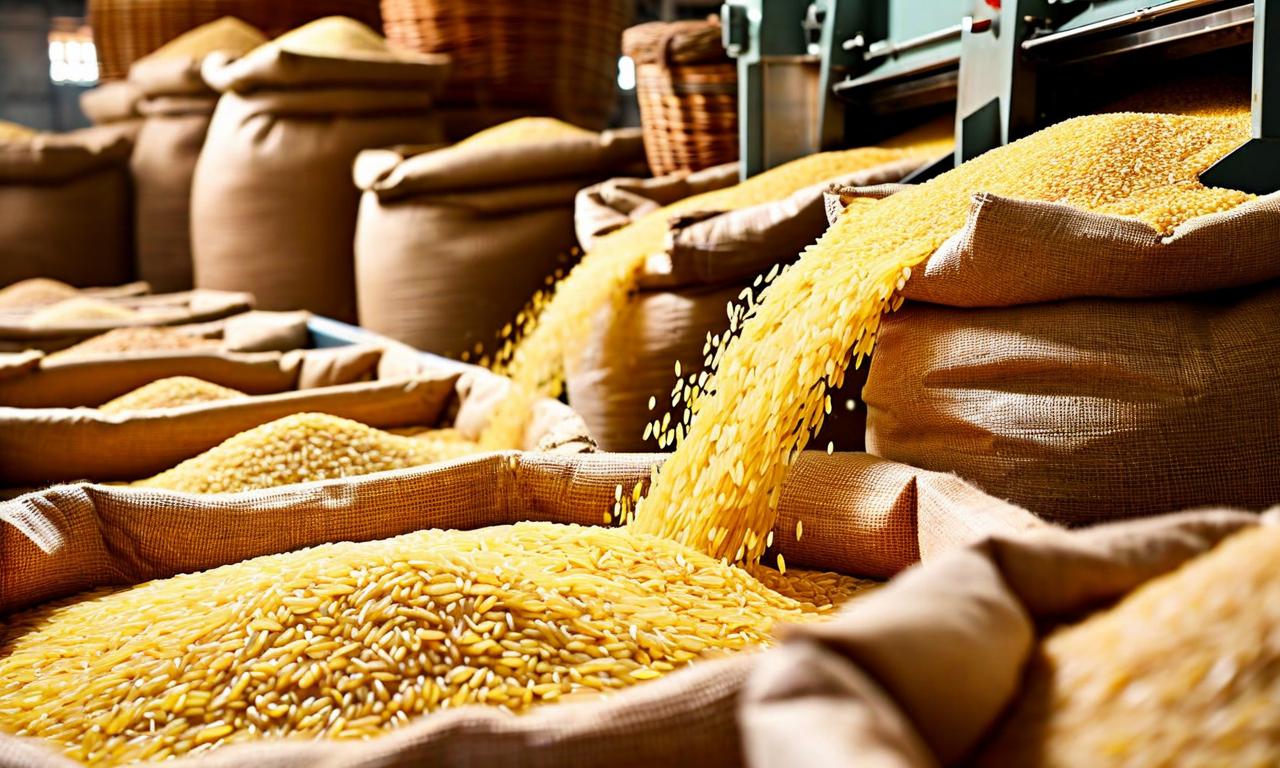
*this image is generated using AI for illustrative purposes only.
Indian rice exporters are facing unprecedented challenges as global trade disruptions intensify pressure on a sector that accounts for nearly 20% of India's agricultural exports. The latest blow comes from a 25% tariff imposed by the United States on trade partners of Iran, significantly impacting one of India's most crucial basmati rice markets.
Export Challenges Intensify with New US Tariff
Rajesh Paharia, Chief Manager–Business Development at Kribhco Agri Business, highlighted the severe impact of recent trade policy changes on Indian rice exporters. Iran represents the second-largest export destination for Indian basmati rice, making the new US levy particularly damaging for the sector.
"This 25% increase, tariff which has been levied, that also is going to be impacting the rice exports from India to Iran," Paharia explained. The tariff has compounded existing operational challenges that were already straining exporters' capabilities.
| Challenge Area: | Impact Details |
|---|---|
| Payment Delays: | Extending beyond 180 days |
| Currency Impact: | Sharp depreciation of Iranian rial |
| Banking Issues: | Restrictions on banking channels |
| Logistics Costs: | Sharply higher shipping and insurance costs |
| New Tariff: | Additional 25% levy on Iran trade |
Industry Seeks Government Support
In response to mounting pressures, rice exporters have intensified engagement with Indian authorities to seek clarity and protection. Paharia revealed that industry representatives recently approached the Agricultural and Processed Food Products Export Development Authority (APEDA) for guidance.
The industry is awaiting direction from the Ministry of Commerce through APEDA on several critical areas:
- Risk mitigation strategies
- Payment security mechanisms
- Protection for consignments already in transit
Domestic Market Shows Contrasting Strength
While export markets face headwinds, India's domestic rice sector presents a markedly different picture. Despite bumper crop production that would typically depress prices, domestic rice prices have been rising due to evolving consumer preferences.
"A lot of rice millers, the Basmati ones, have come out with glycemic, low-glycemic rice and a lot of added-value rice. So, the consumption in India has persistently been increasing," Paharia noted.
This domestic strength contrasts sharply with global non-basmati rice prices, which have fallen to eight-year lows due to oversupply conditions.
Future Market Outlook and Challenges
Looking ahead, Indian rice exporters face structural challenges as traditional markets evolve. Countries like Nigeria are moving towards self-sufficiency, potentially reducing import demand over the next decade. However, the US market remains relatively resilient due to strong preferences for Indian rice among expatriate communities.
Paharia emphasized the critical need for sustained policy support, stating: "An Indian rice holds almost 20% of the agriculture exports. So, they have to have blessings on all the exporters, so we survive, and we cater to the whole of the world."
The rice export industry's ability to navigate these complex trade dynamics will depend significantly on government support and successful diversification into new markets while maintaining competitiveness in existing ones.
 16
16