Rice exporters seek budget sops, interest subvention to boost competitiveness


The Indian Rice Exporter's Federation has submitted comprehensive demands to Finance Minister Nirmala Sitharaman for Budget 2025-26, seeking 4% interest subvention on export credit, 3% freight support, and sustainability incentives. India exported 20.10 million tonnes of rice to over 170 countries in 2024-25, representing 40% of global rice trade. The federation also seeks a one-time waiver of retrospective duty demands arising from 20% export duty on certain rice varieties and continued support under RoDTEP scheme to maintain sector competitiveness.
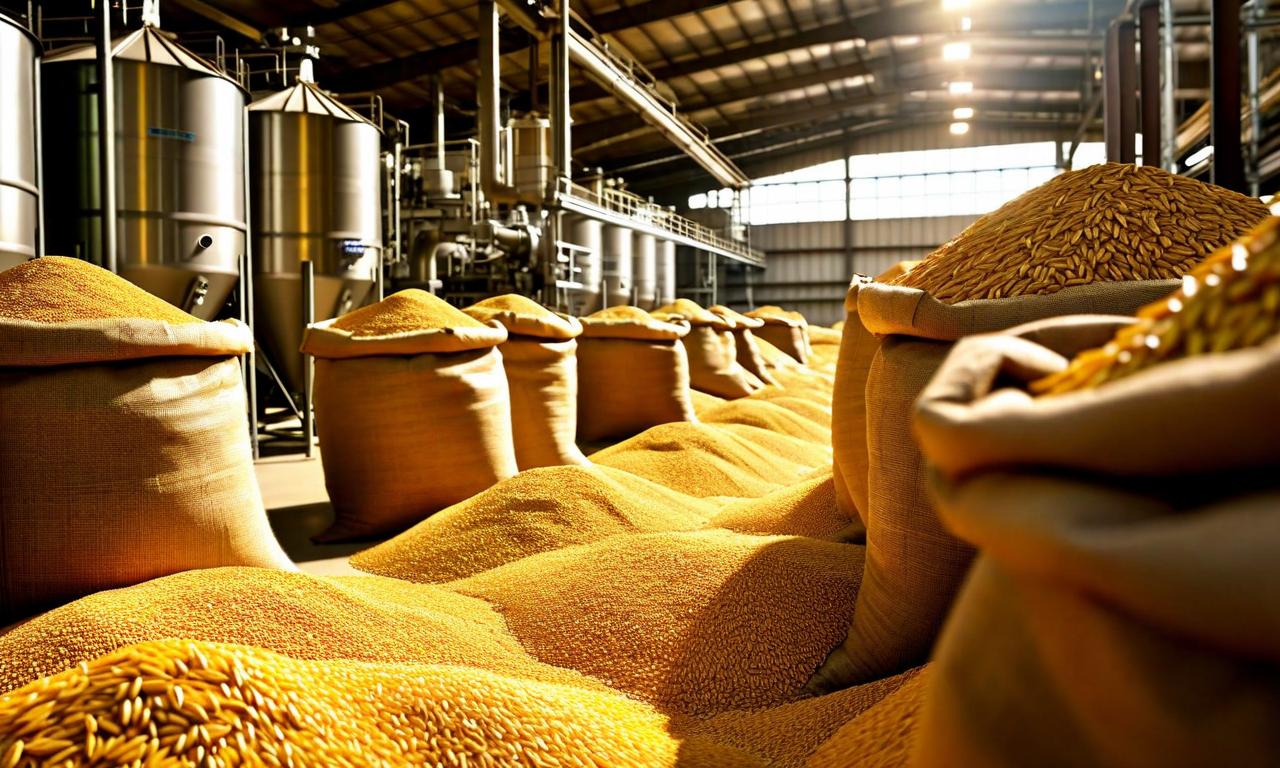
*this image is generated using AI for illustrative purposes only.
The Indian Rice Exporter's Federation (IREF) has approached Finance Minister Nirmala Sitharaman with a comprehensive set of demands for the upcoming Budget 2025-26, seeking government support to enhance the competitiveness of India's rice export sector. The federation's representation, submitted on January 6, emphasizes the need for fiscal measures to address mounting challenges while promoting sustainable practices in the industry.
India's position as a dominant player in the global rice market underscores the strategic importance of these demands. The country accounts for approximately 40% of global rice trade and exported about 20.10 million tonnes of rice to more than 170 countries during the 2024-25 fiscal year, according to IREF President Prem Garg.
Key Financial Support Demands
The federation has outlined specific financial assistance measures to reduce operational costs for exporters:
| Support Type: | Details |
|---|---|
| Interest Subvention: | 4% on export credit |
| Freight Support: | 3% for road and rail transport |
| Priority Beneficiaries: | MSME rice exporters |
| Coverage: | Export-bound rice from cluster to port/ICD |
These measures are designed to directly lower exporters' costs, improve cash flow management, and enhance price competitiveness in international markets. The federation particularly emphasized priority support for MSME rice exporters under the interest subvention scheme.
Sustainability and Production Incentives
IREF has called for tax and investment incentives linked to verified water-saving and low-emission practices to promote sustainable rice production. The federation specifically highlighted support for:
- Alternate Wetting and Drying (AWD) techniques
- Direct Seeded Rice (DSR) methods
- Laser levelling technology
- Energy-efficient milling processes
Additionally, the trade body seeks incentives to shift acreage towards higher-value paddy and rice varieties, including premium basmati, GI/organic/specialty non-basmati varieties. This strategic shift aims to improve farmer realization and reduce pressure on MSP procurement systems.
Duty and Compliance Issues
A significant concern raised by IREF involves the retrospective duty demands that emerged following the imposition of 20% export duty on certain rice varieties. The federation has requested a one-time waiver of these demands, citing inconsistent interpretation of duty calculations across field authorities.
"This has resulted in large, retrospective duty demands and prolonged disputes, despite exports being undertaken in good faith and without any undue gain," the federation stated in its representation.
The organization also emphasized the need for continuation and calibration of duty/tax remission under the Remission of Duties and Taxes on Exported Products (RoDTEP) scheme to offset embedded taxes and preserve export competitiveness.
Sector Challenges and Strategic Importance
Despite India's leadership position, the rice export sector faces several challenges that threaten long-term sustainability. Garg highlighted groundwater depletion in major paddy-growing regions, high procurement and storage costs, and market volatility as key concerns requiring government intervention.
"Rice exports remain a strategic economic asset supporting farm incomes, rural employment and the external sector," Garg noted, emphasizing that sustained leadership in rice trade strengthens India's economic resilience and diplomatic leverage.
The federation has also called for strengthening export finance guarantees and compliance infrastructure, including testing, traceability, and quality assurance systems, to protect India's reputation in premium international markets.
 17
17