

Hormuz oil flows rise to 7-8 mln bpd from 4 mln in mid-July


- Oil flows through Strait of Hormuz rise to 7-8 million bpd
- Volume up from 4 million bpd recorded in mid-July
- Kuwait and Qatar shipments reach 70% of pre-war levels
- Shuttle operations used to mitigate shipping risks

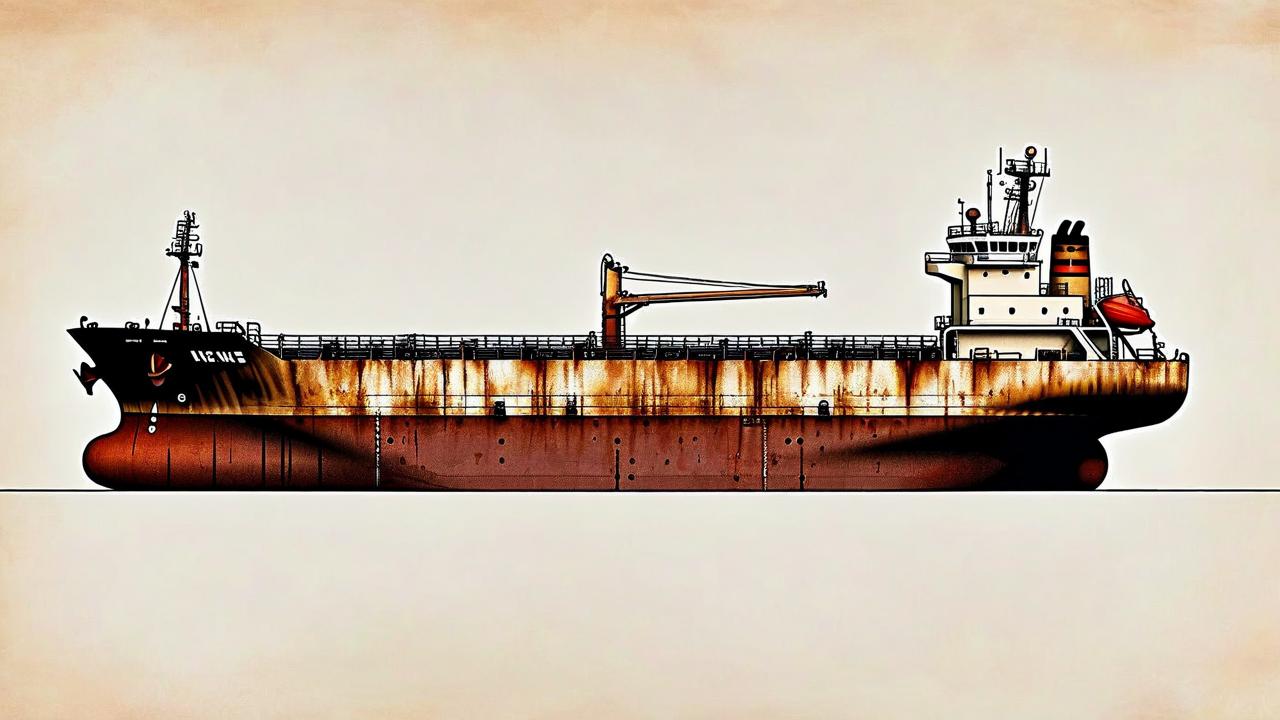

*this image is generated using AI for illustrative purposes only.
Total oil flows through the Strait of Hormuz have risen to roughly 7-8 million barrels per day, up from about 4 million in mid-July, according to sources. This increase occurs despite continued risks to shipping in the region.
Kuwait and Qatar have increased crude shipments through the strait to around 70% of their pre-war levels. These nations are using 'shuttle' operations to move oil through the Strait of Hormuz and transfer it to other tankers in the Gulf of Oman.
Supply Dynamics
The restoration of flow volumes helps support global oil supplies. Sources indicate these measures are helping keep prices in check.
| Metric | Value |
|---|---|
| Current Flow | 7-8 million barrels/day |
| Mid-July Flow | About 4 million barrels/day |
| Recovery Level | ~70% of pre-war levels |
What the Numbers Show
The recovery to 70% of pre-war levels suggests that while volume has nearly doubled since mid-July, significant capacity remains offline. The reliance on shuttle operations indicates that direct transit remains constrained by security risks.

How might the continued reliance on costly shuttle operations impact the profit margins of Kuwaiti and Qatari oil producers in the long term?
What is the projected timeline for restoring Strait of Hormuz flows to 100% of pre-war levels, and what specific security milestones are required to achieve this?
Could the current supply recovery trigger OPEC+ to reconsider its production quotas or strategic reserve releases to balance global markets?
 18
18









 Access Market Heat-map & Insights
  Create, Save & Share your Screener
  Use 200+ Screening Filters





