Gold Prices Drop 1.4% to $4,431.50 Per Ounce Following ADP Employment Report

1 min read     Updated on 07 Jan 2026, 07:13 PM
scanx
Reviewed by
Radhika SScanX News Team
Overview

Spot gold prices initially remained stable after the ADP employment report but subsequently fell 1.4% to $4,431.50 per ounce. The price movement reflects market sensitivity to employment data and its potential implications for monetary policy. This decline demonstrates the ongoing relationship between economic indicators and precious metal valuations.

29339001

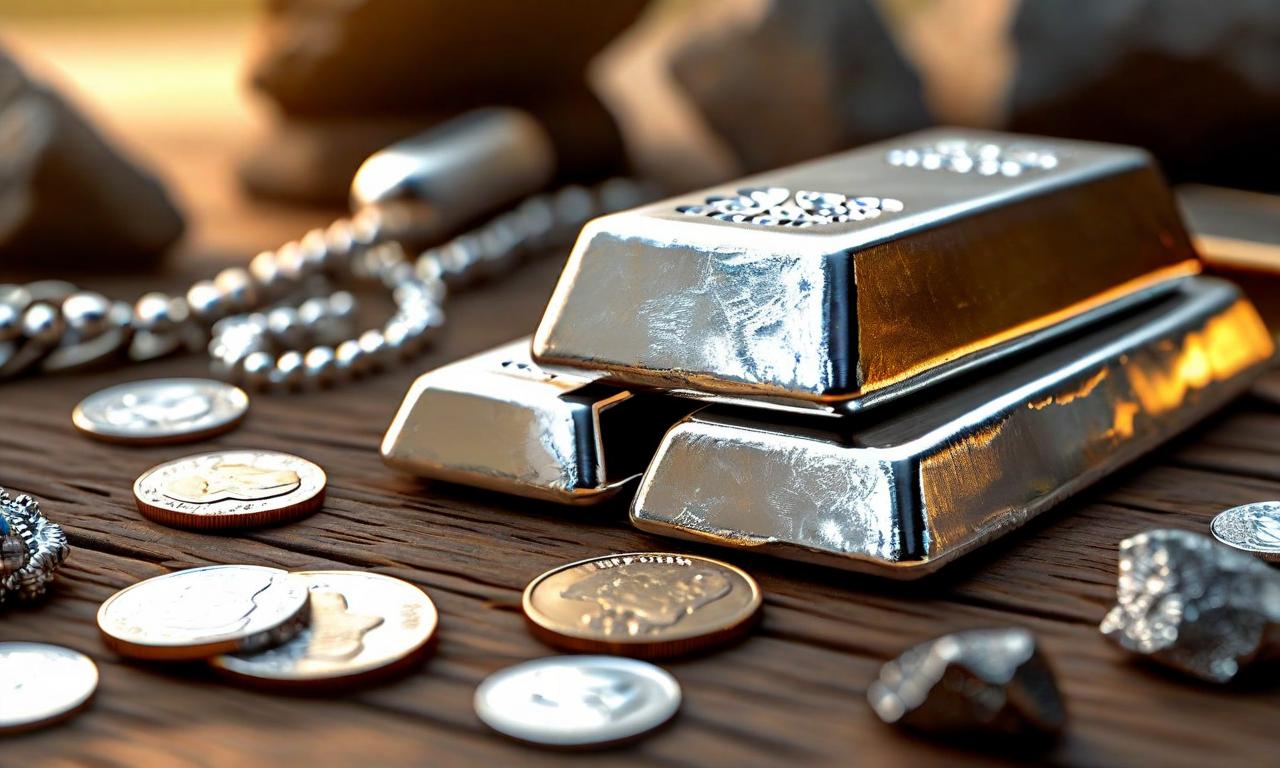
*this image is generated using AI for illustrative purposes only.

Spot gold prices experienced mixed trading patterns following the release of the ADP employment report, with the precious metal initially showing stability before declining. The gold market demonstrated its characteristic sensitivity to key economic data releases, with prices responding to employment figures.

Recent Price Movement

Gold prices recently declined by 1.4% to reach $4,431.50 per ounce after initially remaining mostly unchanged following the ADP report. This price movement highlights the market's reaction to employment data and its implications for monetary policy expectations.

Metric: Current Level
Current Price: $4,431.50 per ounce
Recent Change: -1.4%
Market Response: Initially unchanged, then declined

Market Response to ADP Data

The gold market's initial stability following the ADP employment report suggested cautious investor sentiment. However, the subsequent 1.4% decline indicates that market participants processed the employment data and adjusted their positions accordingly. The ADP report serves as a key indicator for broader employment trends and can influence Federal Reserve policy expectations.

Gold Market Dynamics

The precious metal's price action demonstrates the ongoing relationship between economic data releases and commodity markets. Gold often serves as a hedge against economic uncertainty, with prices typically responding to employment figures, inflation data, and monetary policy signals. The recent decline from initially unchanged levels shows how quickly market sentiment can shift following data releases.

like18
dislike

Nifty Metal Tumbles as $6B+ Index Rebalancing Triggers Broad Commodity Sell-off

2 min read     Updated on 07 Jan 2026, 12:56 PM
scanx
Reviewed by
Radhika SScanX News Team
Overview

The Nifty Metal index is under pressure as annual commodity index rebalancing drives large-scale selling across metals. Precious metals face 12% correction with $6B+ outflows expected, while industrial metals show mixed outlook with copper cooling despite structural deficits and aluminium positioned for potential deficit in 2026.

29316358

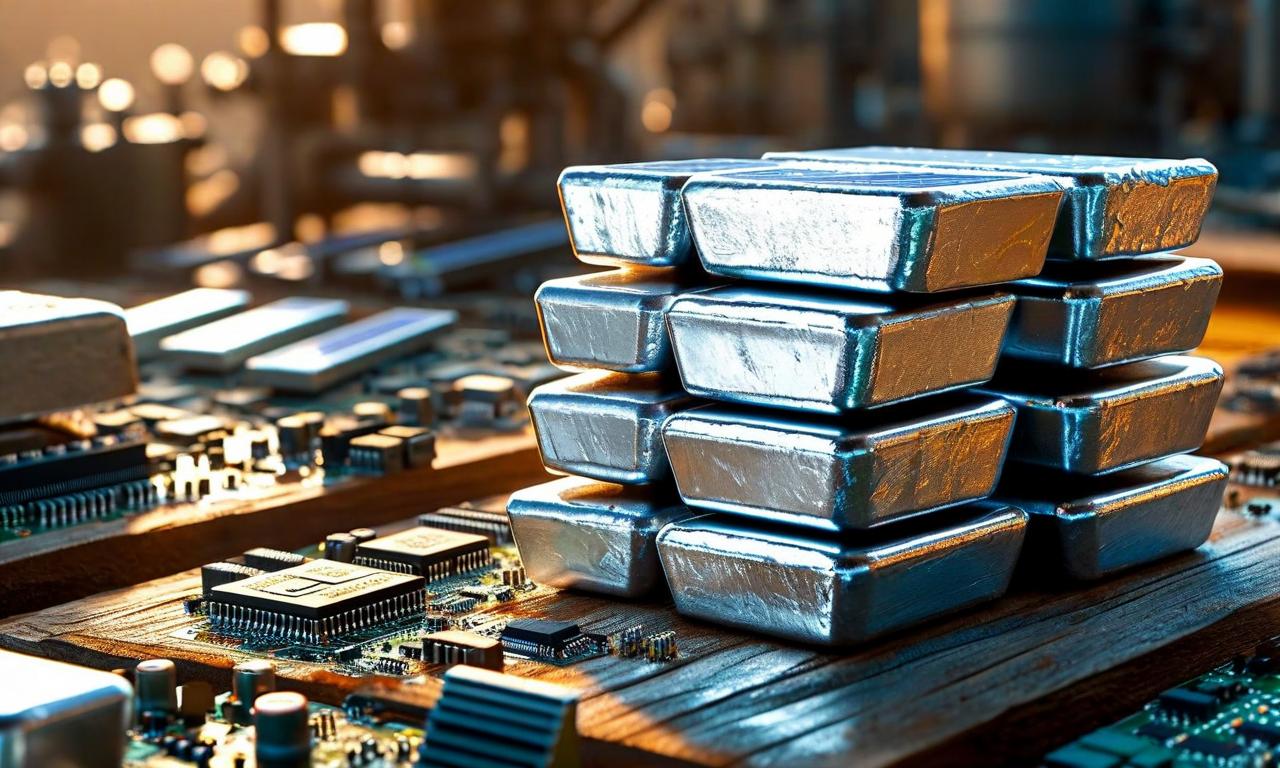
*this image is generated using AI for illustrative purposes only.

The Nifty Metal index is experiencing significant pressure as global commodity markets witness sharp volatility driven by the annual rebalancing of major commodity indices. This technical adjustment is triggering large-scale fund reallocations across precious metals, energy, and industrial metals, creating widespread selling pressure across the metals sector.

Index Rebalancing Drives Precious Metals Correction

According to Mohammed Imran, Commodity Analyst at Mirae Asset Sharekhan, precious metals have entered a corrective phase with further downside expected due to mean reversion in index weightages. The Bloomberg Commodity Index rebalancing reveals the scale of adjustment needed:

Metal Start 2025 Weight End 2025 Weight Adjustment Required
Gold & Silver Combined 18.80% 30.00% Significant reduction needed
Expected Sell-off 12.00%
Global Futures Outflows $6.00+ billion

"Silver could see sharper pressure compared to gold," Imran noted, projecting that Comex silver may test support levels near $70.00. The rebalancing exercise is expected to continue pressuring precious metals as passive tracking funds adjust their allocations.

Energy Sector Shows Mixed Outlook

While precious metals face headwinds, the energy basket presents a more nuanced picture. The index rebalancing has reduced exposure to US benchmarks like WTI crude and natural gas, but increased Brent crude's weightage:

Energy Commodity Previous Weight New Weight Outlook
Brent Crude 8.03% 8.36% Potential move to $62/barrel
WTI Crude Reduced exposure Lower weight Negative impact
Natural Gas Reduced exposure Lower weight Negative impact

This shift could provide selective support to Brent prices in the near term, according to Imran's analysis.

Industrial Metals Face Mixed Pressures

Copper, despite rallying more than 40.00% since early 2025, may see near-term correction due to index adjustments, even as its weightage rises to 6.36% in 2026. Imran expects prices to cool towards the 13,000 level in coming weeks.

However, structural factors remain supportive for copper:

Supply Factor Impact Timeline
Global Refined Deficit 500,000-600,000 tonnes Revised higher
Grasberg Mine Disruption 3.00% of global production Full capacity unlikely before end-2027
Previous Deficit Estimate 200,000-300,000 tonnes Significantly underestimated

Aluminium and Zinc Diverge

Among other industrial metals, aluminium appears better positioned for 2026. Despite China capping production at around 45.00 million tonnes, new Indonesian capacity could add 500,000-600,000 tonnes this year. Substitution demand from expensive copper and steady global consumption could push aluminium into a deficit of 200,000-300,000 tonnes.

Zinc faces a different trajectory. After recent European tightness pushed prices into backwardation, rising Chinese exports have eased supply concerns. With the market now in contango, Imran expects zinc prices to drift lower towards 2,900 in coming months.

Market Outlook and Investment Implications

Analysts caution that near-term volatility driven by technical rebalancing may continue affecting the Nifty Metal index and broader commodity markets. However, underlying demand-supply dynamics will remain the key driver for commodity prices in 2026. The current correction, while significant, appears largely technical in nature rather than reflecting fundamental deterioration in metals demand.

like20
dislike
More News on Gold and Silver
Explore Other Articles