

Crude Oil Rebounds After Hitting Recent Lows


Brent crude has surpassed $62 per barrel, marking the fifth consecutive day of gains despite a 19% decline this year. The price recovery is attributed to geopolitical tensions, including US actions against Venezuelan oil shipments and Ukrainian strikes on Russian energy facilities. US naval operations have targeted sanctioned vessels in the Caribbean, while Ukraine's drone attacks on Russian infrastructure have disrupted supply chains. These events have supported oil prices, offsetting bearish market sentiment and reduced trading volumes due to holiday periods.

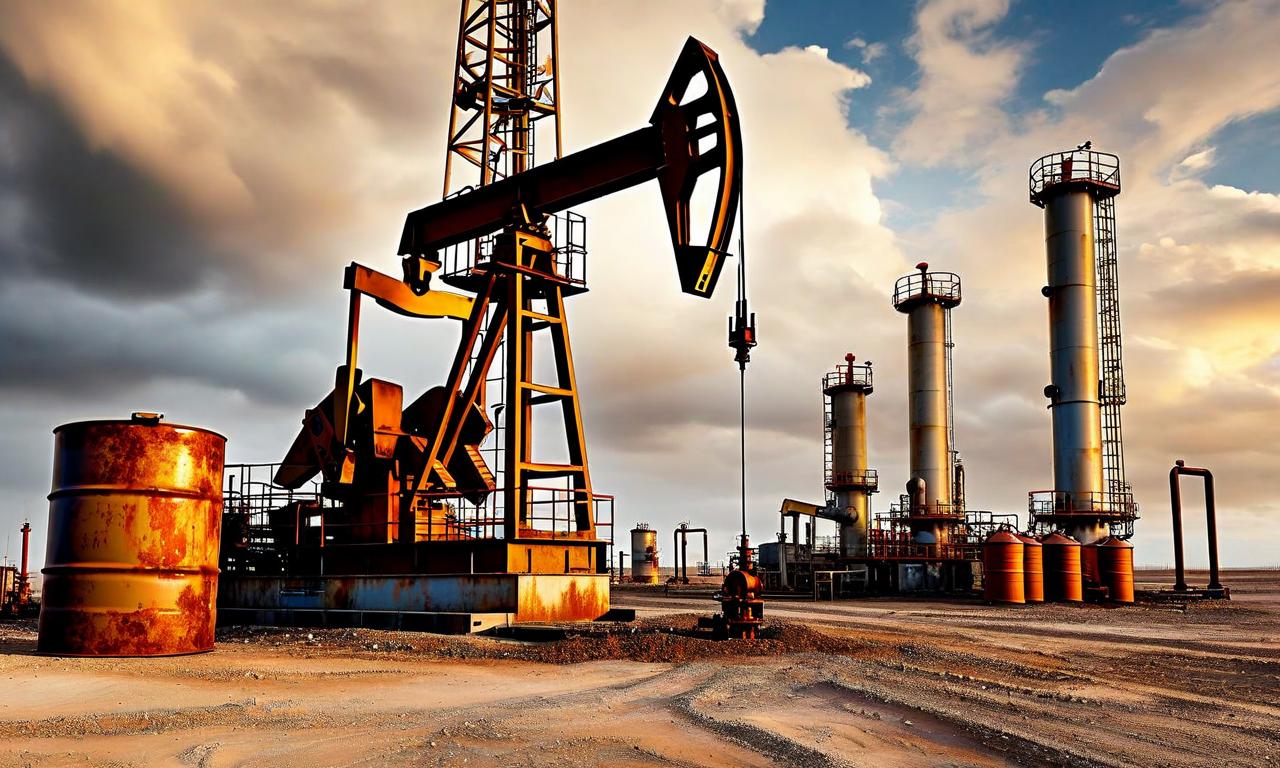

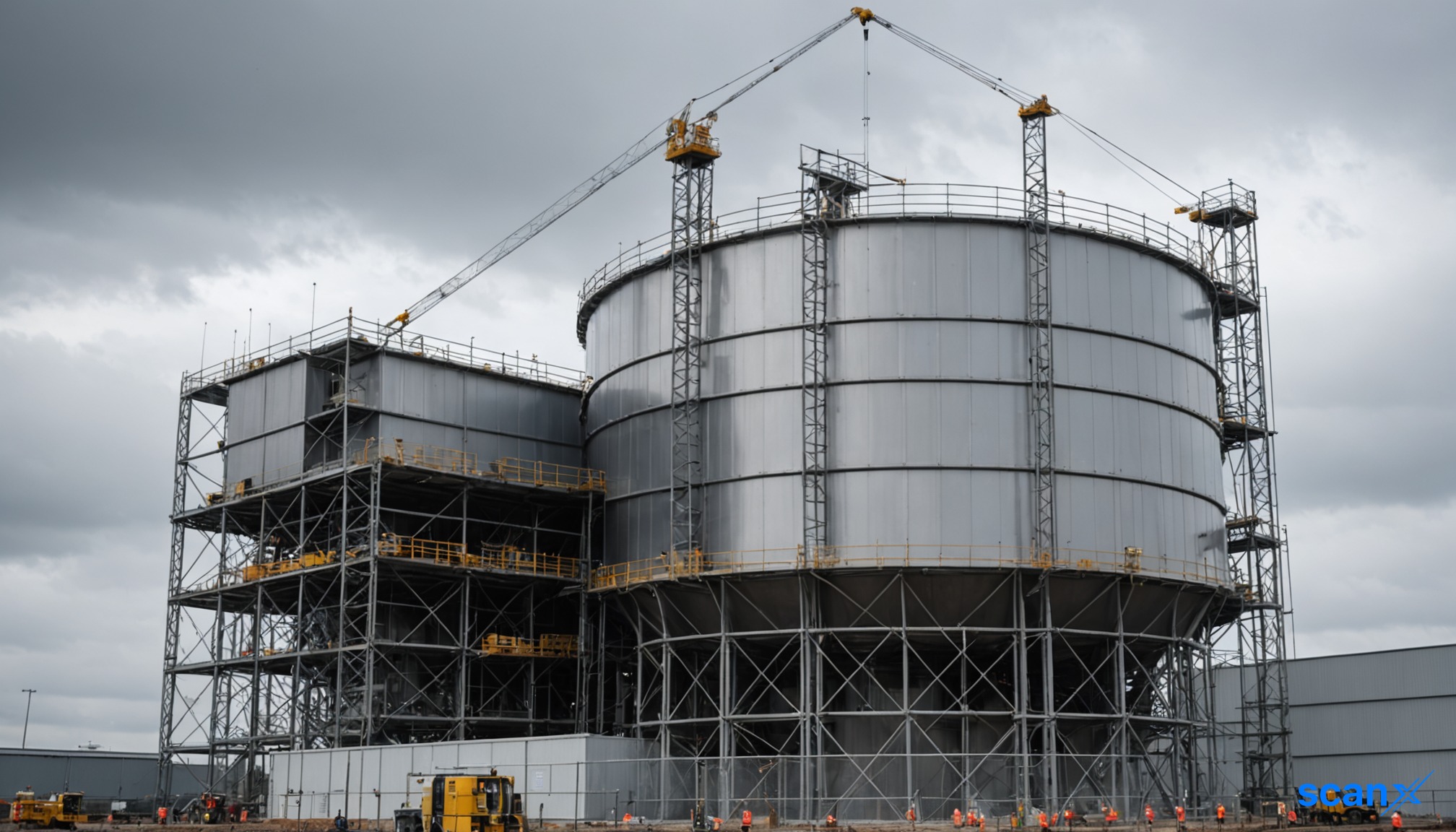
*this image is generated using AI for illustrative purposes only.
Brent crude has topped $62 per barrel as geopolitical tensions from US-Venezuela actions and Ukraine strikes on Russian facilities support the fifth consecutive day of gains, despite a 19% decline in the current year.
Crude oil prices have rebounded sharply after hitting their lowest levels since February 2021, driven by renewed geopolitical tensions and supply disruption concerns. The recovery marks a significant turnaround from recent lows, with both major benchmarks posting consecutive gains amid escalating international conflicts.
Price Recovery Details
Oil markets have demonstrated resilience with five straight days of gains, showing strong momentum despite broader annual declines. The recovery has been substantial across both major benchmarks.
| Benchmark | Current Level | Recent Low |
|---|---|---|
| Brent Crude | Above $62/barrel | February 2021 lows |
| WTI Crude | $58/barrel | Below $55 recently |
| Current Year Performance | Down 19% | Worst since 2020 |
US-Venezuela Tensions Escalate
The United States has intensified efforts to disrupt Venezuelan oil supplies, targeting vessels in the Caribbean Sea despite Venezuela's minimal contribution to global supply. US naval actions have focused on intercepting sanctioned vessels and disrupting revenue streams to the Maduro government.
Key developments include:
- Seizure of two Venezuelan oil tankers in Caribbean waters
- Threats to intercept additional sanctioned vessels
- Impact on several Russia-linked sanctioned tankers
- Venezuela supplies less than 1% of global oil production
The US President indicated that seized oil would either be retained or sold, with captured vessels also remaining under US control. These actions have tempered export expectations and provided underlying support for oil price recovery.
Ukraine Targets Russian Energy Infrastructure
Ukraine has launched strategic drone strikes against Russian energy facilities, directly impacting supply chains and export capabilities. The attacks have focused on critical infrastructure near occupied territories and targeted vessels used to circumvent Western sanctions.
| Target | Details |
|---|---|
| Volna Terminal | Krasnodar region facility |
| Location | Near Crimean Bridge |
| Strategic Importance | Military supplies and energy exports |
| Additional Targets | "Shadow fleet" tankers |
| Purpose | Bypass Western price caps |
These strikes have disrupted expectations for peace negotiations and threatened supply through alternative shipping networks, contributing to market uncertainty and price support.
Trading Dynamics and Market Positioning
Market conditions have been influenced by seasonal factors and institutional positioning changes. Trading volumes have thinned significantly due to holiday periods, while major market participants have adjusted their positions.
Commodity Trading Advisors have notably reduced their bearish positions, with short coverage contributing to price momentum. Their positioning has shifted from maximum bearish exposure to more moderate levels.
| Metric | Previous | Current |
|---|---|---|
| CTA Short Position (Brent) | 100% | 91% |
| CTA Short Position (WTI) | 100% | 91% |
| Trading Volumes | Reduced | Holiday impact |
Despite the recent rebound, WTI crude's 19% decline in the current year positions it for the worst annual performance since 2020, highlighting the significant challenges facing oil markets amid global economic uncertainties and shifting geopolitical dynamics.
 19
19






 Access Market Heat-map & Insights
  Create, Save & Share your Screener
  Use 200+ Screening Filters





