

Brent crude climbs above $100 as US-Iran attacks threaten oil supplies


- Brent crude climbed above $100 a barrel as US-Iran attacks threatened oil supplies
- Strait of Hormuz handled roughly one-fifth of global oil supply before the conflict
- US military destroyed five Iranian tankers after IRGC targeted a US Navy warship
- Houthi strikes hit Saudi energy infrastructure, causing 73 injuries

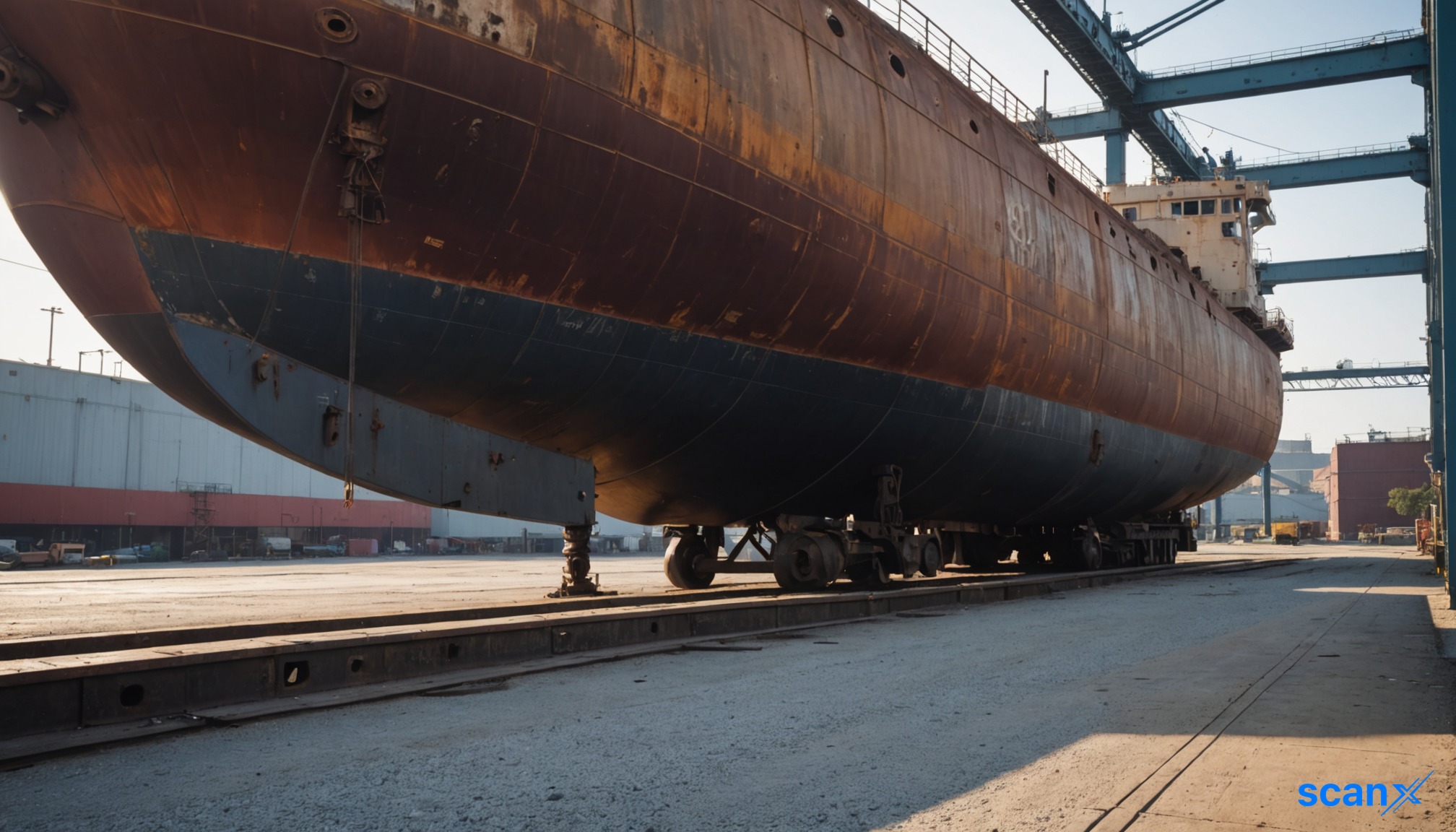

*this image is generated using AI for illustrative purposes only.
Brent crude climbed above $100 per barrel as renewed US-Iran attacks threatened oil supplies and shipping through the Strait of Hormuz. Roughly one-fifth of global oil supply passed through the strait before the conflict.
Market Reaction
Wall Street futures declined as oil prices climbed. Dow futures fell 44 points, or 0.08%, to 52,788.00. S&P 500 futures dropped 4.50 points, or 0.06%, to 7,676.00. Nasdaq 100 futures slipped 26.50 points, or 0.09%, to 29,512.25 around 8:36 pm EDT.
In commodities, WTI crude rose 1.67% to $94.58 per barrel. Natural gas futures fell 0.65% to $2.897 per MMBtu. The US dollar index stood at 98.783, down 0.05%.
Asian markets traded higher. South Korea’s KOSPI rose 0.67% to 7,001.43. Japan’s Nikkei 225 climbed 0.06% to 65,306.25.
Geopolitical Escalation
The latest escalation followed US strikes on five Iranian tankers and Houthi attacks on Saudi energy infrastructure. Secretary of State Marco Rubio warned Iran it would lose more oil tankers if attacks on US naval vessels continue.
The US military destroyed five Iranian crude-oil tankers after the Islamic Revolutionary Guard Corps targeted a US Navy warship with ballistic missiles. The warship successfully evaded the attacks.
Rubio stated that Iran would lose tankers for every attempt to hit US ships. Iran subsequently launched ballistic missiles toward a US base near Al Azraq in Jordan. Jordan reported intercepting 18 of 20 missiles, with no casualties.
Houthi strikes targeted facilities in Abha, Najran and Jazan, including energy infrastructure linked to Saudi Aramco. Fires were reported at several sites. Saudi authorities confirmed 73 injuries, including women and children.
What the Numbers Show
The simultaneous rise in both WTI ($94.58) and Brent ($99.47) crude prices reflects broad-based supply fears rather than regional arbitrage shifts. The spread between the two benchmarks remains wide, indicating market anxiety over global supply chain disruptions from multiple fronts, including the Strait of Hormuz and Saudi infrastructure.

How might the sustained closure or disruption of the Strait of Hormuz impact global shipping insurance premiums and logistics costs for non-energy commodities?
Will major oil-importing nations, such as China and India, accelerate their strategic petroleum reserve releases to mitigate the immediate supply shock?
Could the simultaneous damage to Saudi Aramco infrastructure and Iranian tanker capacity force OPEC+ to reconsider its current production quota policies?
 15
15







 Access 50+ Readymade Screeners
  Use 200+ Custom Filters
  Get Full Market Insights





