

Brent crude rises to $92.90 as US-Iran tensions persist


- Brent crude rose to $92.90 and WTI climbed to $86.50 on Hyperliquid
- Both benchmarks have jumped over 32% from their July lows
- Iran considers military escalation as Trump plans new sanctions
- US Strategic Petroleum Reserve at lowest levels in decades
- Technical indicators suggest rally exhaustion with ADX dropping to 22.34



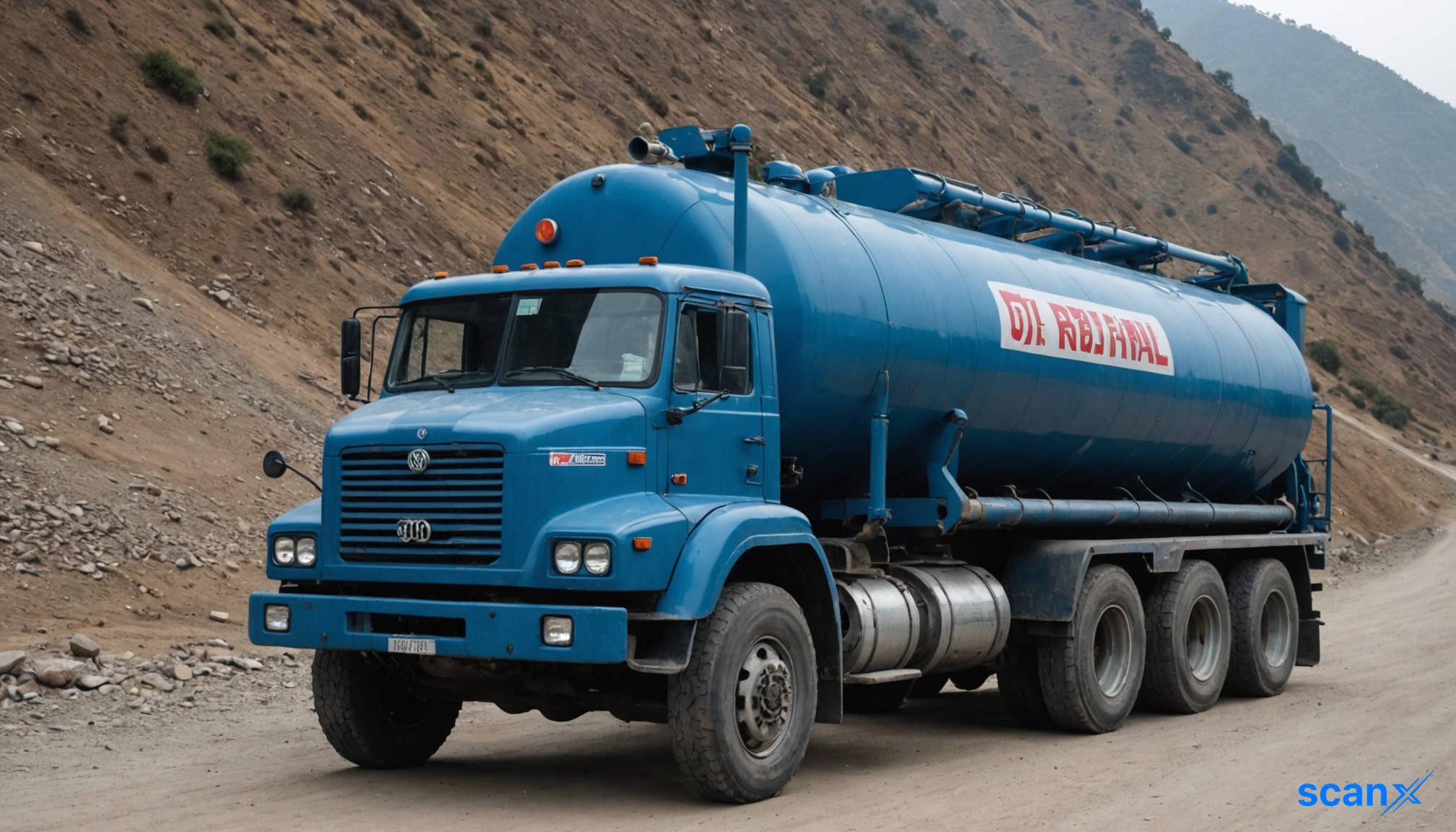
*this image is generated using AI for illustrative purposes only.
Crude oil prices held steady on Hyperliquid as investors weighed the impact of the ongoing US-Iran stalemate. Brent, the global benchmark, rose to $92.90, while West Texas Intermediate (WTI) climbed to $86.50. Both benchmarks have jumped by over 32% from their July lows.
Geopolitical Risks and Supply Concerns
Crude oil may continue rising as Iran reportedly considers escalating tensions. President Donald Trump plans additional sanctions against the country, with Treasury Secretary Scott Bessent set to unveil the new sanctions package on Monday.
According to Bloomberg, Iranians are considering military escalation to punish the US and its allies. Reports suggest the US is running out of ammunition and conditions on USS Lincoln have deteriorated. As a result, IRGC officials believe they are better positioned to escalate.
An escalation would be highly bullish for crude oil prices. In addition to blocking the Strait of Hormuz and Bab el-Mandeb Strait, Iranians may boost attacks against oil and gas infrastructure in the region. Iran is also considering attacks against key US interests, including subsea internet cables passing through the Strait.
These events come at a time when oil inventories in key countries like the United States, China, South Korea, and Japan continue to dwindle. In the US, the Strategic Petroleum Reserve (SPR) has dropped to the lowest levels in decades.
Despite these risks, oil prices have remained below the year-to-date high because of weak Chinese demand. Data show that millions of barrels of oil are passing through the Strait of Hormuz.
What the Numbers Show
The divergence between rising geopolitical premiums and weak Chinese demand highlights a market balancing supply-side fears against demand-side constraints. While inventory levels in major economies are at multi-decade lows, the continued flow of millions of barrels through the Strait of Hormuz suggests that immediate physical supply disruptions have not yet materialized, capping price upside despite the 32% jump from July lows.
Technical Outlook
The daily chart shows that Brent has been in an uptrend in the past few days and is now attempting to fill the fair value gap formed on July 27.
However, there are signs that the rally is nearing the exhaustion level. The Average Directional Index (ADX) has dropped to 22.34 from the July high of 40. A drop in ADX is a sign that the uptrend is losing momentum.
Crude oil has also formed a rising wedge pattern, which is made up of two ascending and converging trendlines. This pattern often leads to a bearish reversal.
Therefore, oil may see a bearish reversal, potentially retreating to the 200-day moving average of $84. However, with the US-Iran conflict poised to escalate, and given the existing fair value gap, there is a possibility it could rebound past $100.

How might the specific details of Treasury Secretary Bessent's upcoming sanctions package influence Iran's threshold for military escalation?
Could the reported deterioration of US military readiness in the region embolden the IRGC to target critical infrastructure like subsea internet cables?
What is the likelihood of OPEC+ intervening with supply increases to offset geopolitical premiums if Brent crude breaches the $100 mark?
 16
16










 Create Custom Screeners
  Access 200+ Pre-built Filters
  Use 50+ Readymade Screener





