US blockade squeezes Iranian oil supply to Chinese refiners

scanx
Reviewed by
Ritika DScanX News Team
Key Highlights
  • US blockade measures are squeezing Iranian oil supply to Chinese refiners
  • Bloomberg reported the development on August 21, 2026
  • Supply constraints tighten availability for Chinese buyers
powered bylight_fuzz_icon
48853665

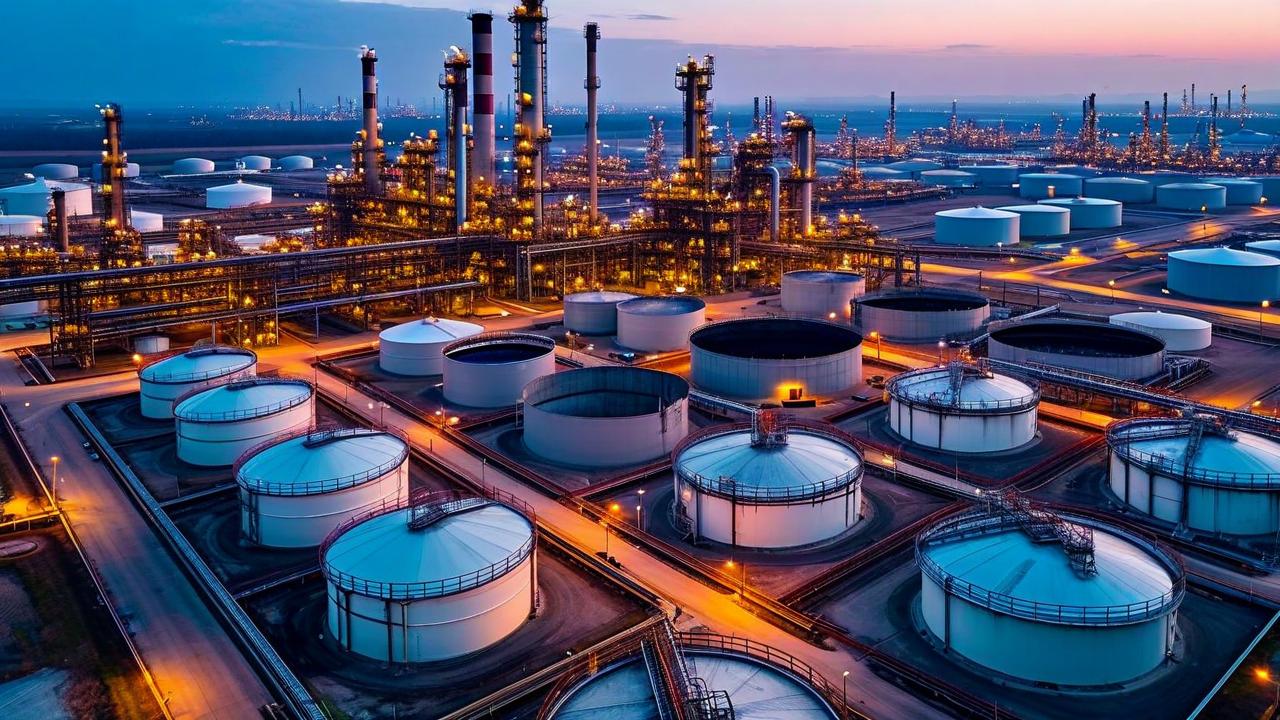
*this image is generated using AI for illustrative purposes only.

US enforcement actions are constraining Iranian crude supplies to Chinese refiners, according to a Bloomberg report dated August 21, 2026.

The report highlights the pressure on supply chains as US measures limit the flow of Iranian oil to buyers in China.

Market Impact

The squeeze on supply reflects ongoing geopolitical tensions and regulatory enforcement. Chinese refiners face tighter availability of Iranian crude due to these blockade measures.

What the Numbers Show

The source provides no financial figures to analyze. The observation is limited to the reported constraint on supply volumes.

How might Chinese refiners adjust their sourcing strategies to mitigate the loss of Iranian crude supplies?

What is the projected impact of reduced Iranian exports on global Brent crude prices in the coming quarters?

Could these enforcement actions accelerate China's development of alternative energy sources or domestic refining capacity?

like17
dislike

Bessent Puzzled by Oil Price Spike as Brent Crude Rises 2.4% to $93.78

scanx
Reviewed by
Ritika DScanX News Team
Key Highlights
  • Treasury Secretary Scott Bessent dismissed the oil price spike as noise but admitted confusion over the cause.
  • Brent crude futures rose 2.4% to $93.78 per barrel on Thursday.
  • West Texas Intermediate futures climbed 2.7% to $86.64 for October delivery.
  • Democrats blamed the surge on President Trump's military actions against Iran.
  • The Strait of Hormuz, handling 20% of global oil flows, remains under threat.
powered bylight_fuzz_icon
48824393

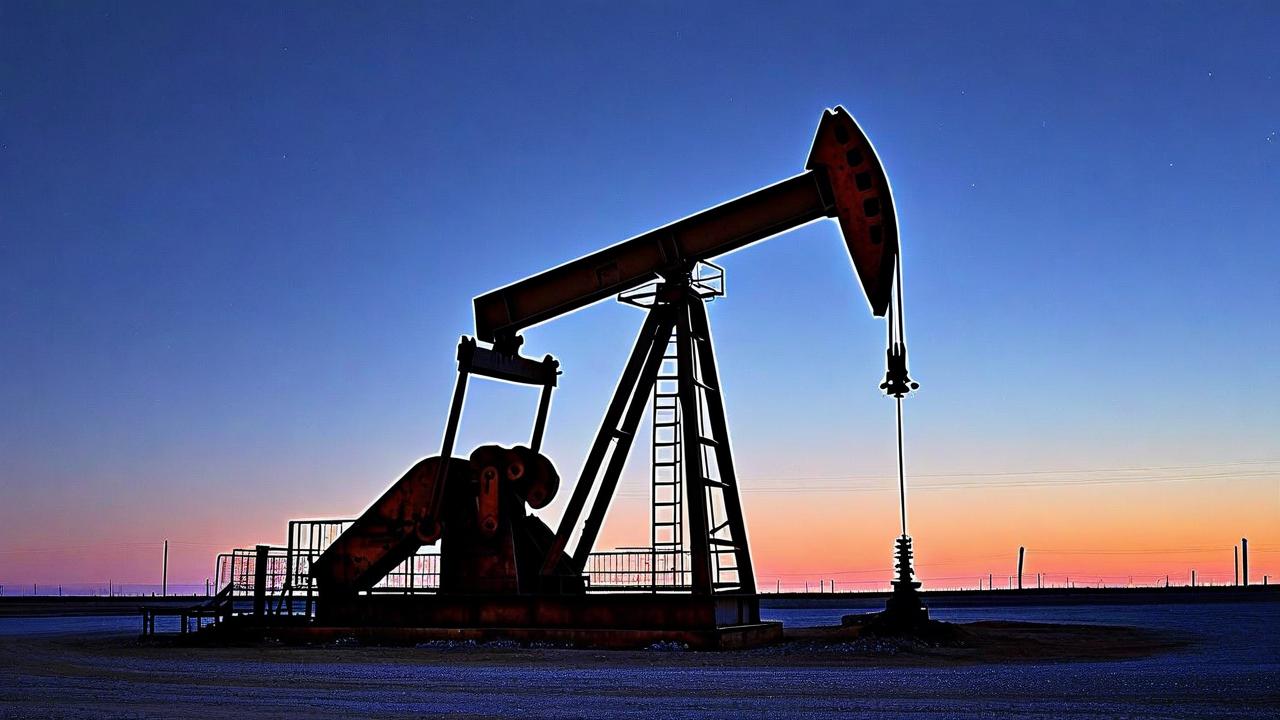
*this image is generated using AI for illustrative purposes only.

Treasury Secretary Scott Bessent stated he did not understand the recent spike in oil prices, dismissing the 24-hour volatility as market noise while reaffirming confidence in declining bond yields.

The remarks followed a sharp rise in energy costs, with Brent crude futures climbing 2.4% to close at $93.78 per barrel on Thursday. West Texas Intermediate (WTI) futures for October delivery also increased, rising 2.7% to $86.64.

Political Backlash Intensifies

Rep. Ro Khanna (D-Calif.) criticized the administration's stance, attributing the price surge to President Donald Trump's military actions against Iran. Khanna argued that Americans were bearing the cost of a war he described as lacking a plan.

Rep. Ted Lieu (D-Calif.) echoed this sentiment, suggesting the high oil prices resulted from an unconstitutional action starting with "W" and ending in "R." Hedge fund manager Spencer Hakimian also mocked Bessent's comments regarding the Strait of Hormuz.

Geopolitical Context and Supply Risks

The price movement coincides with ongoing tensions threatening energy supplies through the Strait of Hormuz. Approximately 20% of the world's oil and liquefied natural gas transit through this waterway.

Bessent indicated that the administration would implement "the toughest sanctions in history" against Iran. He suggested these economic measures would ultimately lower oil prices sooner than expected. The U.S. and Israel launched strikes on Iran in February, aiming to prevent nuclear weapon development. Two ceasefires reached in April and June have since been broken.

What the Numbers Show

The simultaneous rise in both Brent ($93.78) and WTI ($86.64) benchmarks indicates broad-based upward pressure across global crude markets rather than a regional anomaly. The magnitude of the moves (2.4% for Brent, 2.7% for WTI) within a single trading session reflects acute risk premium pricing amid geopolitical uncertainty, contrasting with Bessent's characterization of the event as mere noise.

How might the administration's proposed 'toughest sanctions in history' against Iran impact global supply chains if they fail to lower prices as predicted?

What are the potential implications for U.S. inflation targets and Federal Reserve policy if Brent crude sustains levels above $90 per barrel?

Could the breakdown of recent ceasefires lead to a prolonged closure or disruption of the Strait of Hormuz, and how prepared are global markets for such a scenario?

like18
dislike

More News on Crude Oil