

US runs covert Hormuz corridor moving 10 mln bpd daily


The US military operates a covert shipping corridor in the Strait of Hormuz, moving 10 million barrels of oil daily via Oman's coast. This volume surpasses SPR releases, impacting global supply dynamics as US forces maintain control over the southern lane.


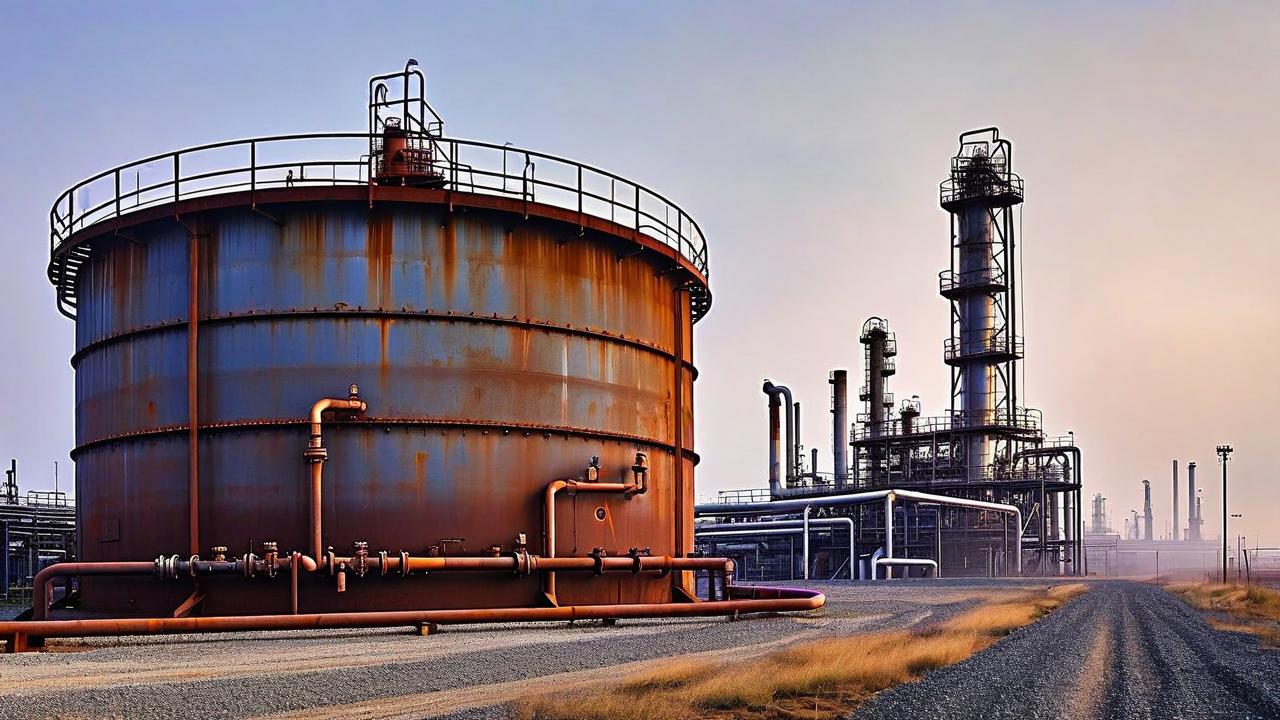
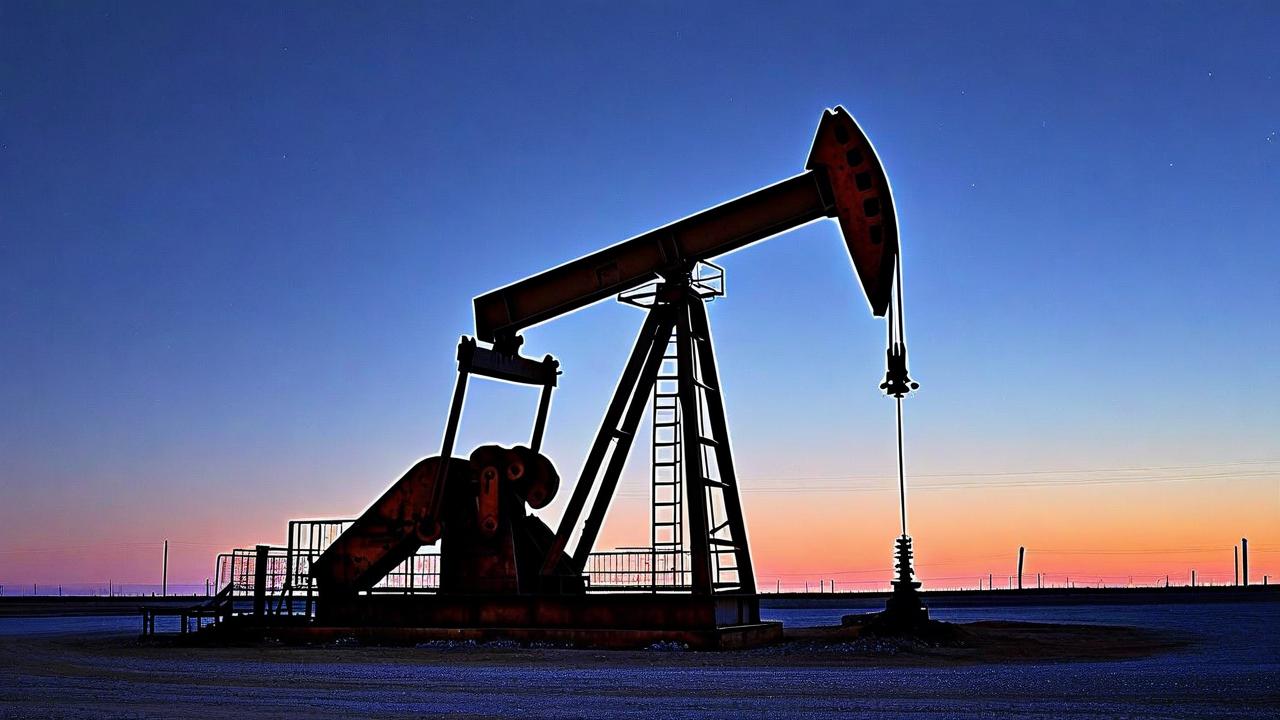
*this image is generated using AI for illustrative purposes only.
The U.S. military has reportedly established a "stealth" shipping corridor in the Strait of Hormuz, moving approximately 10 million barrels of oil daily through a southern channel along Oman's coast. This operation, which has been active for several weeks, transports about half the region's pre-war volume into the global energy market, according to Axios.
Covert operations and strategic control
Each night, 15-20 tankers traverse the strait via this southern route. A recent two-week U.S. CENTCOM campaign weakened Iran's radar and maritime surveillance, significantly reducing its ability to monitor traffic in the area. The U.S. military is also aiding empty tankers to enter the Gulf from the Arabian Sea, load oil, and exit under protection.
A task force at Fort Bragg, North Carolina, coordinates with Gulf partners and tracks daily ship movements. A U.S. official stated that the U.S. has been controlling the southern lane for two months and that the Islamic Revolutionary Guard Corps (IRGC) does not control the strait.
Market impact and analyst view
GasBuddy Analyst Patrick De Haan described the development as major if accurate, noting that the daily volume moved exceeds what is released via the Strategic Petroleum Reserve (SPR). The previously authorized 172-million-barrel SPR release is nearing completion, with reserves expected to remain above 275 million barrels.
At the time of writing, Brent crude oil futures were trading 2.63% higher at $94.04 per barrel, while WTI crude futures were trading 2.80% higher at $88.23 per barrel.
Key details at a glance
| Parameter: | Details |
|---|---|
| Daily oil flow (covert corridor): | 10 million barrels per day |
| Tankers per night: | 15-20 |
| Route: | Southern channel along Oman's coast |
| Brent crude price: | $94.04 per barrel (up 2.63%) |
| WTI crude price: | $88.23 per barrel (up 2.80%) |
President Trump stated on Wednesday that the U.S. is not currently negotiating with Iran, calling talks a "waste of time." He noted that Iran is a "shell of themselves" while highlighting the tremendous amount of oil flowing through the strait.

How might Iran's potential retaliation against the southern shipping corridor impact global oil supply chains and insurance premiums?
Could the sustained flow of 10 million barrels daily through this covert route accelerate the depletion of remaining Strategic Petroleum Reserve stocks despite current projections?
What are the long-term geopolitical implications of the U.S. effectively controlling the Strait of Hormuz without formal diplomatic engagement with Iran?
 18
18







 Access Market Heat-map & Insights
  Create, Save & Share your Screener
  Use 200+ Screening Filters





