

Acer showcases NVIDIA RTX Spark desktop with 1 petaflop AI compute


- Acer showcased the Acer SFF RTX Spark compact desktop at IFA 2026 in Berlin on September 2
- The device offers up to 1 petaflop of AI compute and 128 GB of unified memory
- It is powered by a 6,144-core Blackwell RTX GPU and a 20-core NVIDIA Grace CPU
- Availability dates for the RTX Spark devices have not yet been announced

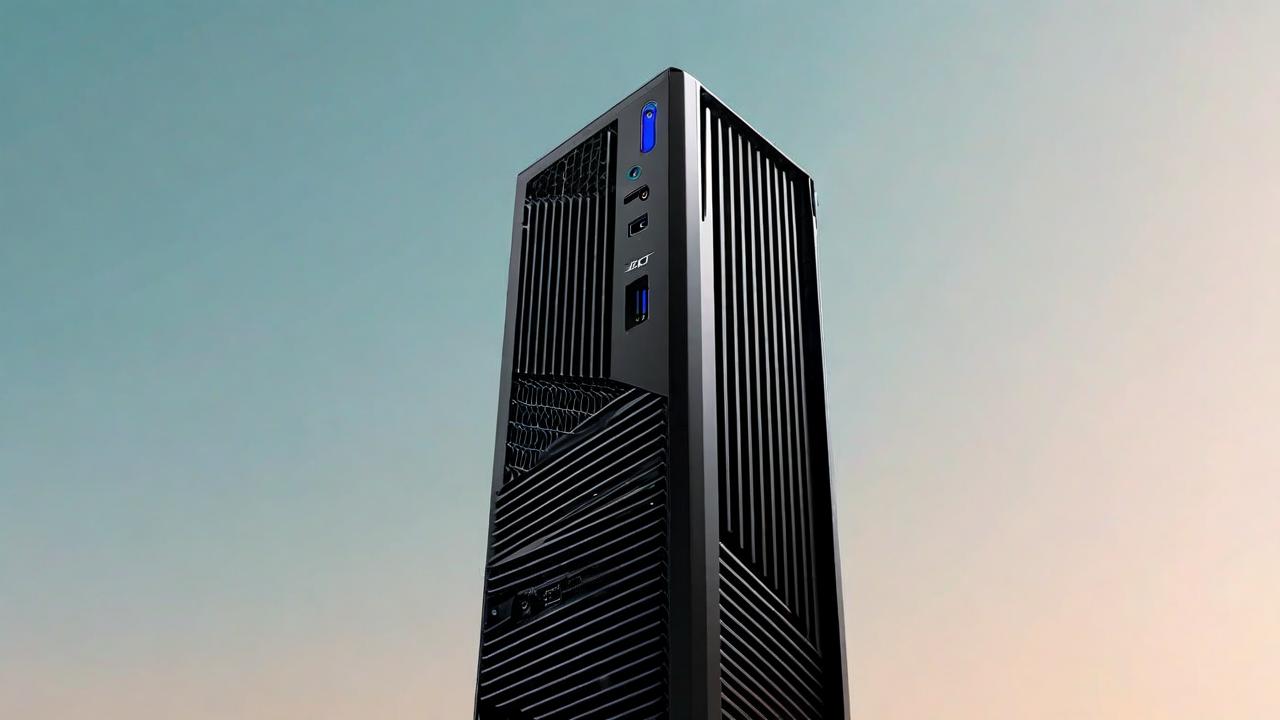

*this image is generated using AI for illustrative purposes only.
Acer unveiled the Acer SFF RTX Spark, a compact desktop design powered by the NVIDIA RTX Spark superchip, at its global press conference on September 2 during IFA 2026 in Berlin. The launch targets the emerging market for personal AI agents.
The device is engineered to deliver high-performance computing in a space-saving footprint. It features up to a 6,144-core Blackwell RTX GPU and up to a 20-core NVIDIA Grace CPU. This configuration provides up to 1 petaflop of AI compute performance alongside up to 128 GB of unified memory.
Technical Specifications
The Acer SFF RTX Spark integrates NVIDIA’s full-stack AI platform and suite of RTX technologies. The hardware specifications are designed to support local execution of agentic AI, advanced content creation, and high-performance gaming.
| Component | Specification |
|---|---|
| GPU | Up to 6,144-core Blackwell RTX |
| CPU | Up to 20-core NVIDIA Grace |
| AI Compute | Up to 1 petaflop |
| Memory | Up to 128 GB unified |
Market Positioning
NVIDIA RTX Spark is positioned to redefine personal computing by combining personal agents with professional workloads. The platform aims to accelerate AI innovation at the edge while maintaining data privacy through local processing. Acer stated that availability of RTX Spark devices will be announced at a future date.
What the Numbers Show
The specification of up to 128 GB of unified memory paired with 1 petaflop of compute indicates a focus on large-language model inference rather than just traditional graphics rendering. This memory-to-compute ratio supports running complex agentic AI workflows locally without reliance on cloud infrastructure.

How will the premium pricing of the Acer SFF RTX Spark impact its adoption rate among individual consumers versus enterprise clients?
What specific software ecosystems or AI agent frameworks will be optimized to leverage the 128 GB unified memory for local LLM inference?
How does the shift toward local AI processing with devices like this challenge the current cloud-centric revenue models of major tech providers?
 20
20






 Access 50+ Readymade Screeners
  Use 200+ Custom Filters
  Get Full Market Insights





