

World Bank Projects India GDP Growth at 6.5% for FY27 Amid Strong Domestic Demand


World Bank projects India's GDP growth at 6.5% for FY27 and 6.6% for FY28, maintaining fastest growth among major economies. Current fiscal growth estimated at 7.2% driven by robust domestic demand, strong private consumption, and resilient exports despite 50% US tariffs. Inflation expected to reach RBI's 4% target by FY27 with continued fiscal consolidation.

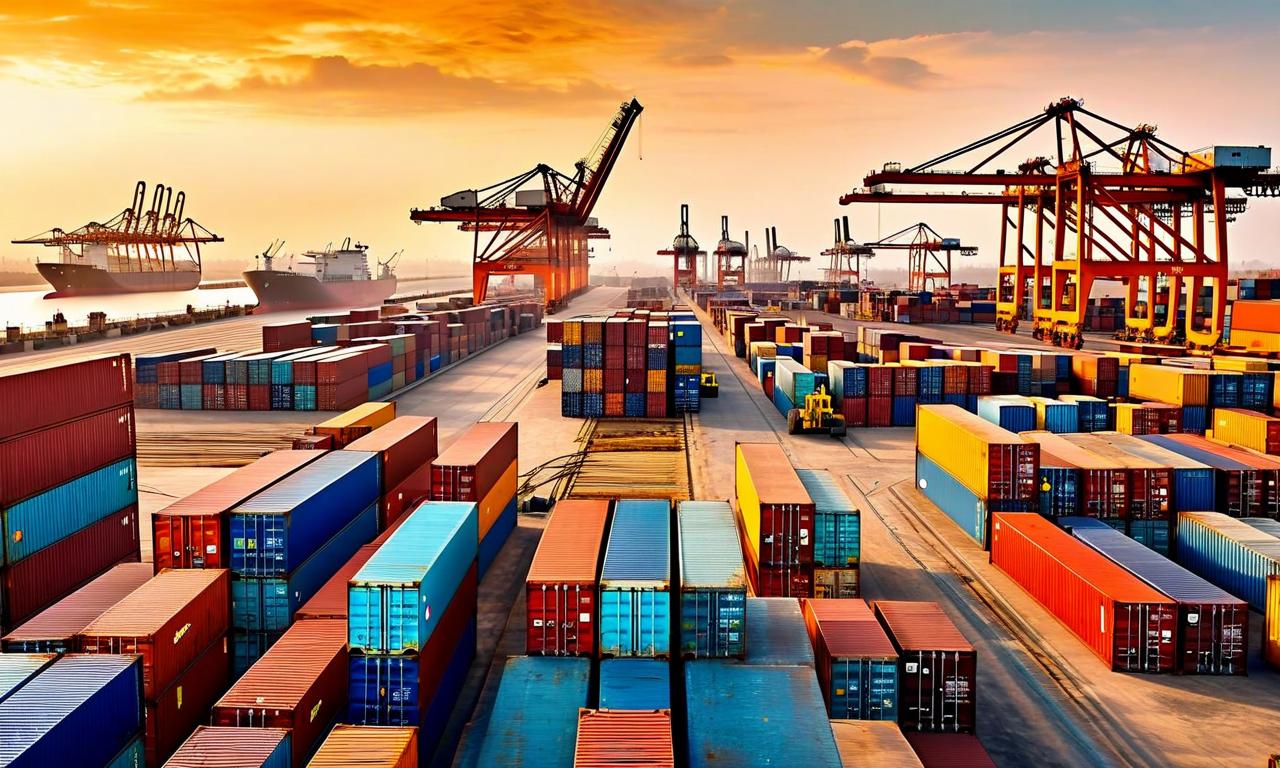

*this image is generated using AI for illustrative purposes only.
The World Bank has projected India's gross domestic product growth at 6.5% for the financial year 2026-27, followed by 6.6% growth in FY28, according to its semi-annual Global Economic Prospects report released on Tuesday. These projections position India as the fastest-growing economy among the world's largest nations, significantly outpacing global economic growth expectations.
Current Fiscal Performance and Growth Drivers
For the current fiscal year ending March 31, 2026, India's GDP growth is estimated at 7.2%, reflecting strong economic fundamentals. The multilateral financial institution attributed this robust performance to several key factors:
| Growth Driver | Impact |
|---|---|
| Domestic Demand | Robust performance driving overall growth |
| Private Consumption | Strong growth supported by policy reforms |
| Tax Reforms | Earlier implementations boosting consumption |
| Rural Earnings | Improved real household earnings in rural areas |
| Services Exports | Resilient performance despite global challenges |
The World Bank emphasized that domestic demand remains the primary engine of India's economic growth, with private consumption showing particular strength due to earlier tax reforms and improvements in real household earnings, especially in rural areas.
Export Resilience Despite Trade Challenges
Despite facing steep 50% US import tariffs on many Indian goods, India's export sector has demonstrated remarkable resilience. Merchandise exports registered growth in November, reflecting the economy's adaptability to challenging trade conditions. The World Bank noted that this performance "partly reflects buoyant demand from the United States and other trading partners, supported by efforts to diversify export markets to increase resilience."
The United States accounts for approximately 12% of India's merchandise exports, making the tariff impact significant yet manageable. The World Bank's growth forecast has remained unchanged relative to June projections, indicating that adverse impacts from higher tariffs will be offset by stronger domestic demand momentum and more resilient exports than previously anticipated.
Global Economic Context and Comparative Performance
India's projected growth rates stand in stark contrast to global economic projections for calendar year 2026:
| Economy Category | Projected Growth (2026) |
|---|---|
| Global Economy | 2.60% |
| Emerging Markets | 4.00% |
| India (FY27) | 6.50% |
The World Bank assumes that US tariff rates will remain in place throughout the forecast horizon, yet India is expected to maintain its position as the fastest-growing major economy globally.
Future Outlook and Economic Indicators
Looking ahead to FY28, growth is expected to inch up to 6.6%, underpinned by robust services activity, export recovery, and increased investment activity. The World Bank projects that inflation will converge to the Reserve Bank of India's 4% target by FY27, assuming stable seasonal conditions help contain food price inflation.
Fiscal consolidation is set to continue over the next three years, with the effects of tax cuts being outweighed by declining current spending. This approach is expected to result in a gradual reduction in the public debt-to-GDP ratio, strengthening India's fiscal position while maintaining growth momentum.
 15
15







 Access 50+ Readymade Screeners
  Use 200+ Custom Filters
  Get Full Market Insights





