Union Budget 2026: Affordable housing sector eyes tax relief and policy support


Affordable housing sector anticipates significant policy support in Union Budget 2026, with expectations for higher home loan deductions (Rs 4-6 lakh), revised housing definitions (Rs 75-85 lakh for metros), and enhanced PMAY subsidies. Key beneficiaries include housing finance companies like Aavas Financiers, India Shelter Finance Corporation, and developers such as Godrej Properties and Puravankara. Previous budget allocated Rs 15,000 crore to SWAMIH Fund 2.0 and Rs 19,794 crore to PMAY-Urban with 36% increase.
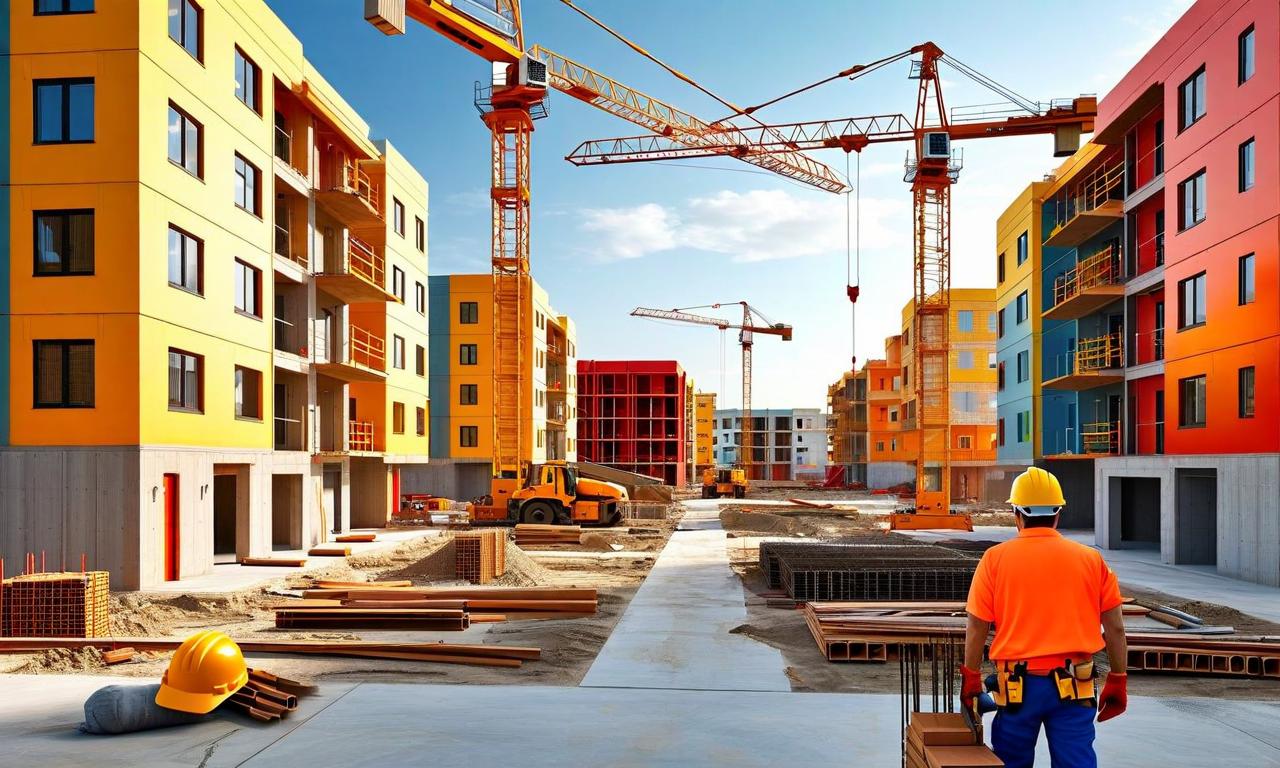

*this image is generated using AI for illustrative purposes only.
The affordable housing sector is positioning itself as a key beneficiary ahead of Union Budget 2026, with market participants expecting policy measures that could significantly boost demand and loan growth. Analysts anticipate that any increase in home loan interest deductions, PMAY subsidies, or tax incentives for developers could provide near-term triggers for sector stocks while supporting broader real estate market sentiment.
Market Dynamics and Growth Drivers
The affordable housing space has emerged as a policy-sensitive sector, particularly with Tier-II cities becoming key growth drivers. Current market trends show growing demand for affordable homes in both metros and emerging Tier-II cities, though middle-income buyers face increasing pressure from high EMIs and interest rates. Developers are responding by focusing on stalled projects and exploring rental housing models, while infrastructure-led affordable housing clusters gain prominence.
Industry Challenges and Policy Gaps
Several structural challenges continue to impact the sector's growth potential:
- Outdated definitions: Current affordable housing caps of Rs 45 lakh for metros no longer reflect market realities
- Cost pressures: High construction and land costs are compressing developer margins
- Regulatory delays: Project approval delays are increasing overall development costs
- Limited incentives: First-time buyers in middle-income groups face restricted fiscal support
Previous Budget Allocations
The last budget provided substantial support to the affordable housing ecosystem through targeted allocations:
| Initiative | Allocation | Purpose |
|---|---|---|
| SWAMIH Fund 2.0 | Rs 15,000 crore | Complete stalled affordable and mid-income housing projects |
| PMAY-Urban | Rs 19,794 crore | Support delivery of 1 crore houses (36% increase) |
| GST Relief | Indirect tax support | Affordable housing projects |
Budget 2026 Expectations
Industry stakeholders have outlined specific policy expectations for the upcoming budget:
Tax and Financial Incentives
- Home loan interest deduction under Section 24(b) raised to Rs 4-6 lakh
- Reintroduction of Section 80-IBA tax holiday for developers
- Revamped PMAY subsidies targeting middle-income groups
Policy Reforms
- Redefining affordable housing limits: Rs 75-85 lakh for metros, Rs 60-65 lakh for non-metros
- Single-window approvals to reduce project delays
- Enhanced support for rental housing models in Tier-I and Tier-II cities
Key Stocks to Monitor
Investors are closely watching affordable housing lenders and developers that could benefit from potential policy announcements:
| Category | Companies |
|---|---|
| Housing Finance Companies | Aavas Financiers, India Shelter Finance Corporation, Aadhar Housing Finance |
| Specialized Lenders | Aptus Value Housing Finance India, Repco Home Finance Ltd, GIC Housing Finance |
| Developers | Godrej Properties, Puravankara, Prestige Estates |
Analysts suggest that measures like higher home loan deductions or enhanced PMAY subsidies could directly impact loan growth and asset quality for these companies. According to Axis Securities analysts, developers such as Godrej Properties and Puravankara could particularly benefit from potential incentives on home loans, stamp duty, and GST in the affordable housing segment.
The sector's performance in Budget 2026 will likely depend on the government's commitment to addressing structural challenges while providing meaningful fiscal support to boost affordable housing accessibility across India's evolving urban landscape.
 17
17