

Two Years On, Telecom Regulator Still Can't Own Its Head Office Due to NBCC Dispute


Trai faces ongoing challenges in registering its ₹450 crore head office due to a financial dispute with developer NBCC over ₹56.8 lakh interest charges. The regulator withheld ₹30 lakh due to construction issues and water damage when the office was handed over in May 2024, releasing the amount in December 2024. However, NBCC's interest demand remains unresolved, preventing formal registration and creating operational difficulties for the telecom regulator.


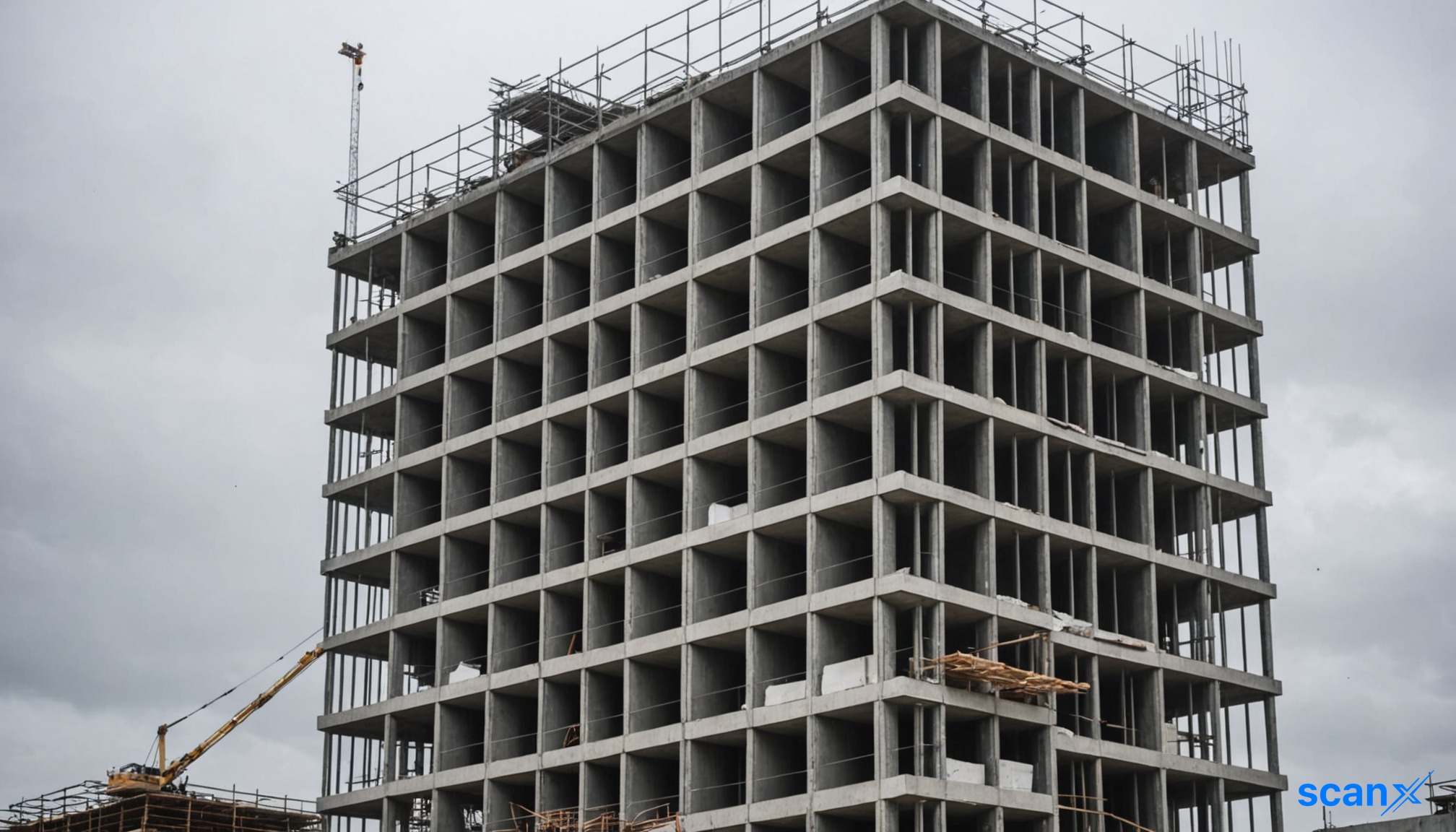
*this image is generated using AI for illustrative purposes only.
The Telecom Regulatory Authority of India (Trai) finds itself in an unprecedented situation, unable to formally register its new head office building two years after construction, due to an ongoing financial dispute with the state-owned developer. The regulatory body, which oversees India's telecommunications sector, has been operating from the new premises since May 2024 but lacks legal ownership due to unresolved payment disagreements.
Financial Dispute Details
The conflict stems from Trai's dispute with NBCC (India) Ltd, the state-owned developer under the housing ministry that constructed the office space. The developer has demanded ₹56.8 lakh in interest charges for allegedly delayed payments by the regulator, creating an impasse that prevents the mandatory clearance required for formal registration.
| Parameter | Details |
|---|---|
| Office Size | 1.16 lakh square feet |
| Construction Cost | ₹450 crore |
| Withheld Amount | ₹30 lakh |
| Interest Demanded | ₹56.8 lakh |
| Handover Date | May 2024 |
According to officials, when the office premises were handed over to Trai in May 2024, the building was in an incomplete state. Several upper floors in Tower F were still under construction, leading to water seepage into various areas of the Trai premises and damaging interior fixtures and furniture. This prompted the regulator to withhold ₹30 lakh against the damage and incomplete work, which was eventually released in December 2024 upon completion of the construction.
NBCC's Position and Terms
NBCC maintains that its interest charges are legitimate under the agreed terms. The developer's spokesperson confirmed that the sale of commercial space at the World Trade Centre, Nauroji Nagar was conducted through open e-auction, with clear stipulations regarding delayed payments. The agreement specified that any payment delays would incur interest at the rate of SBI Highest MCLR + 2%, calculated from the due date until actual payment.
The developer stated that Trai had delayed payment of an installment, justifying the interest levy. NBCC emphasized that the No Objection Certificate (NOC) can only be issued after receipt of complete payment, including the disputed interest amount.
Registration Challenges and Funding Pressures
The registration impasse creates significant operational challenges for Trai. Without formal registration, the regulator cannot legally establish ownership or access the project's remaining funds required for stamp duty and other statutory charges. Additionally, the communications ministry has been pressing Trai to return unspent funds, making formal building registration essential for the regulator's financial management.
| Funding Details | Amount |
|---|---|
| General Fund FY25 | ₹130 crore |
| General Fund FY26 | ₹131 crore |
| Establishment Year | 1997 |
| Previous Accommodation | Rented premises until May 2024 |
Trai relies on grants from the Department of Telecommunications (DoT) under the communications ministry for its operations. For the new building project, Trai received additional grants from DoT during the construction phase, which began after government approval in November 2020.
Broader Regulatory Challenges
Beyond property registration issues, Trai faces limitations in its regulatory powers. The regulator's weak enforcement authority has hampered its ability to address service quality issues and control spam calls effectively. Under the Trai Act 1997, the regulator's powers are primarily regulatory, advisory, and enforcement-focused through directions, with limited ability to enforce orders independently.
Trai has recently sought amendments to strengthen its enforcement capabilities and has proposed changes to its funding model. The regulator argues for operational independence similar to other regulatory bodies like SEBI, RBI, and IRDAI. In its FY25 annual report, Trai suggested that utilizing a portion of license fees from regulated entities as administrative charges could eliminate the need for government grants, providing necessary flexibility for independent functioning.
The housing ministry is reportedly examining the matter, though officials express concern that waiving interest for one entity could set a precedent for similar demands from others. The resolution of this dispute remains critical for Trai's operational autonomy and legal standing regarding its primary office infrastructure.
Historical Stock Returns for Tarai Foods
| 1 Day | 5 Days | 1 Month | 6 Months | 1 Year | 5 Years |
|---|---|---|---|---|---|
| -2.84% | -5.32% | -1.77% | -38.11% | -33.98% | -33.08% |
 18
18






 Access Market Heat-map & Insights
  Create, Save & Share your Screener
  Use 200+ Screening Filters





