Morgan Stanley Outlines Key Sector Reforms Expected in Budget 2026


Morgan Stanley projects fiscal deficit at 4.2% of GDP in FY27 as government pursues gradual consolidation. Current fiscal deficit stands at ₹8.25 trillion for April-October 2025. Investment bank outlines comprehensive reform expectations across sectors including real estate tax benefits, infrastructure allocation increases of 8-10%, railway budget growth of 5-6%, defence spending rise of 12-15%, and telecom sector relief measures.

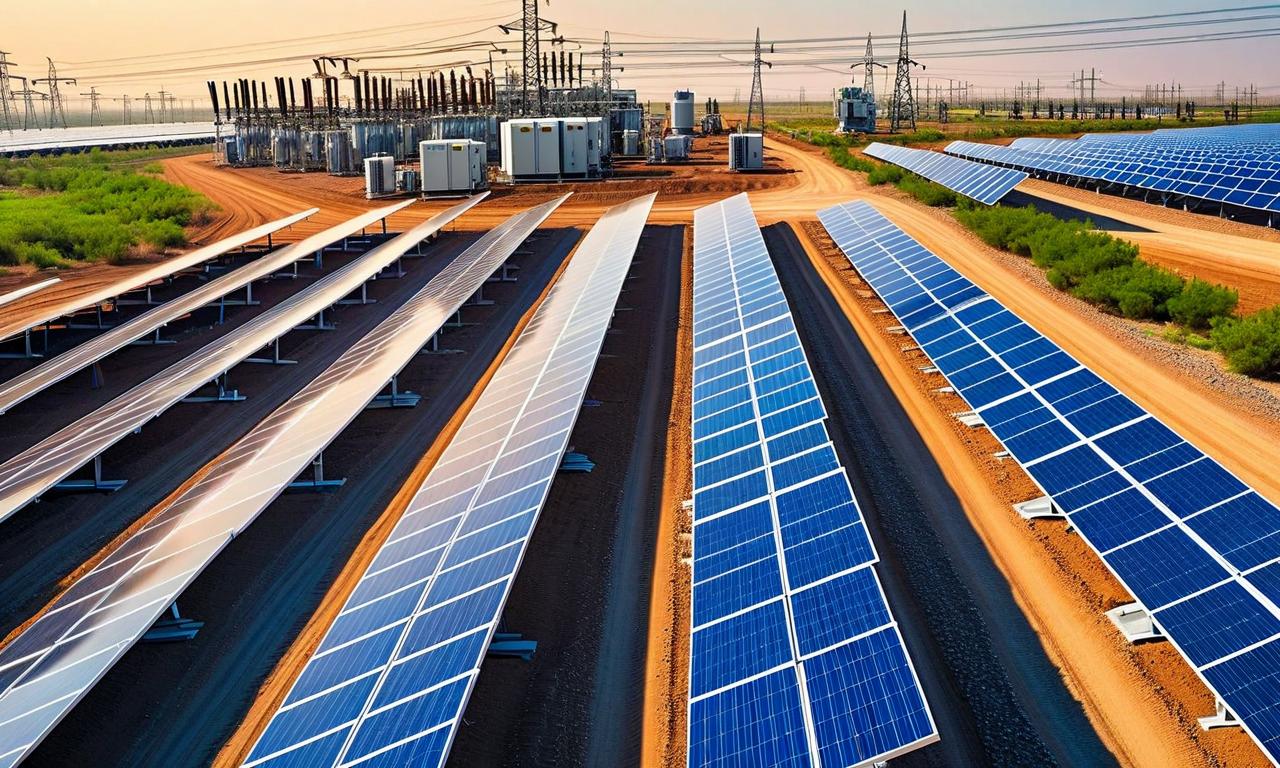
*this image is generated using AI for illustrative purposes only.
Morgan Stanley expects the government to target a fiscal deficit of 4.2% of GDP in FY27, marking a gradual consolidation from the 4.4% target set for FY26, as Finance Minister Nirmala Sitharaman prepares to present the Union Budget 2026-27 on February 1. The investment bank anticipates the budget will steer clear of populist measures while prioritizing capital expenditure and social infrastructure investment.
Fiscal Position and Outlook
India's current fiscal metrics show mixed performance compared to previous periods:
| Parameter | April-Oct 2025 | April-Oct 2024 | Change |
|---|---|---|---|
| Fiscal Deficit | ₹8.25 trillion | ₹7.51 trillion | +9.9% |
| Budget Target Achievement | 52.6% | 46.5% | +6.1 pp |
| FY25 Final Deficit | 4.8% of GDP | 4.9% (revised estimate) | -0.1 pp |
Morgan Stanley projects the central government debt will reduce to 55.1% of GDP from 56.1% in FY26, supported by improved tax buoyancy and nominal growth pickup. The government aims to achieve a debt-to-GDP ratio of 50% (±1 percentage point) by FY31.
Budget Priorities and Themes
The investment bank expects the budget to reflect five key priorities: social and physical infrastructure expansion, improving ease of doing business to boost private investments, creating productive jobs alongside workforce skilling, increasing manufacturing capabilities, and enhancing ease of living.
Sector-Specific Reform Expectations
Real Estate and Housing
Morgan Stanley anticipates significant policy changes for the real estate sector:
| Reform Area | Current Status | Expected Change |
|---|---|---|
| Home Loan Interest Deduction | Not available in new tax regime | Allow deductions up to ₹2.00 lakh |
| Affordable Housing Price Cap | ₹45.00 lakh | Increase to ₹75.00 lakh |
| Credit Linked Subsidy Scheme | Discontinued | Reintroduce with 3-4% subsidies |
Infrastructure and Railways
The infrastructure sector expects substantial allocation increases:
- Overall Infrastructure: 8-10% allocation growth over revised FY26 estimates
- Railways: 5-6% growth focusing on track infrastructure, new routes, safety systems, and rolling stock
- Defence: 12-15% allocation increase with emphasis on local and private defence companies
Telecom and Technology
Key telecom sector expectations include relief on Universal Service Obligation Fund charges, AGR dues reform package, and extension of business loss carry-forward period from eight to 16 years. For data centre developers, the bank expects conditional tax holidays linked to capacity targets and customs duty waivers on imported equipment.
Energy and Clean Technology
Morgan Stanley sees potential for a ₹2.00 per litre increase in fuel taxes, alongside continued government thrust on renewable energy, battery energy storage systems adoption, nuclear power including small modular reactors, and pumped storage projects. The energy distribution sector may receive a financial package for discoms with reform conditions.
Healthcare and Pharmaceuticals
The pharmaceutical sector expects continued emphasis on increasing public health spending, with focus on primary healthcare, hospital infrastructure, and workforce capacity. Expected measures include R&D tax benefits, API support through PLI schemes, reduced import dependence for critical drugs, and Ayushman Bharat expansion.
Financial Services and Consumer Sectors
For financial services, analysts highlight needs for digital payment incentives, harmonized tax treatment on interest income, and expanded credit guarantee schemes for MSMEs and MFIs. The consumer sector anticipates general measures to revive consumption demand.
Morgan Stanley's comprehensive sector analysis reflects expectations for a budget focused on sustainable growth, infrastructure development, and gradual fiscal consolidation while maintaining India's economic resilience amid global uncertainties.
 19
19