Market Makers and Their Role in India's Stock Market Liquidity


Market makers serve as crucial liquidity providers in India's SME stock segment under SEBI's mandatory framework. They must maintain 5% IPO inventory, provide continuous quotes for three years, and meet net worth requirements ranging from ₹1 crore to ₹5.5 crore based on companies handled. These regulations ensure orderly trading and investor confidence in SME markets.


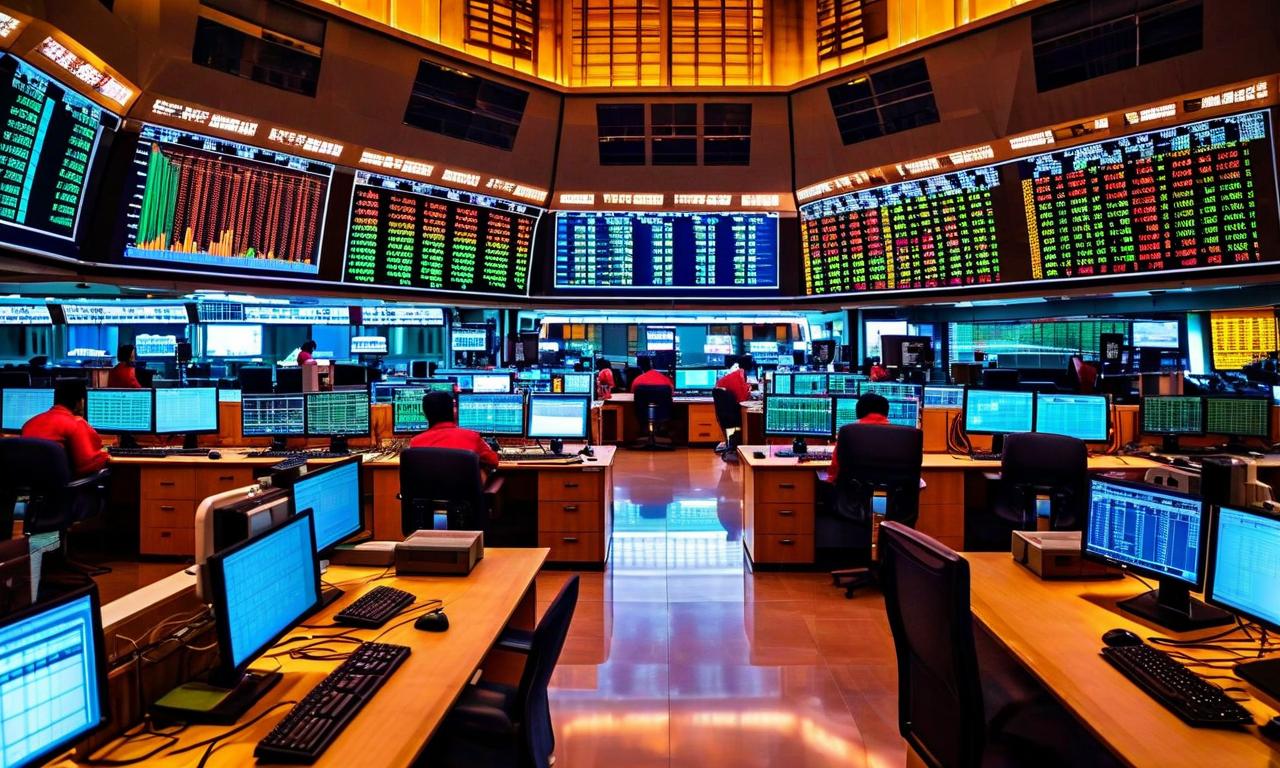
*this image is generated using AI for illustrative purposes only.
Market makers function as essential institutional participants in India's capital market ecosystem, ensuring securities can be bought and sold smoothly without sharp price disruptions. These entities provide continuous liquidity by maintaining readiness to buy and sell specific stocks, playing a particularly crucial role in India's SME segment where liquidity varies significantly from large-cap stocks.
Regulatory Framework and Definition
Under Regulation 261 of the SEBI (Issue of Capital and Disclosure Requirements) Regulations, 2018, market making is compulsory for SME IPOs. A market maker must be a SEBI-registered stockbroker empanelled with either BSE SME or NSE Emerge, obligated to provide continuous two-way quotes in specific SME-listed securities.
| Requirement | Details |
|---|---|
| Minimum Period | 3 years from listing date |
| IPO Inventory | Minimum 5% of issue size |
| Daily Presence | 75% of trading time |
| Quote Depth | ₹1 lakh minimum |
Financial Requirements and Eligibility
SEBI has established strict eligibility criteria to ensure only capable entities undertake market making responsibilities. As per NSE Circular No. 65/2024 dated October 14, 2024, net worth requirements are structured based on the number of SME companies handled.
| Companies Handled | Net Worth Requirement |
|---|---|
| Up to 5 companies | ₹1 crore |
| 16-20 companies | ₹2.5 crore |
| 31-35 companies | ₹4 crore |
| 46-50 companies | ₹5.5 crore |
Market makers must be independent of the issuer and cannot be related to promoters or promoter groups, ensuring no conflict of interest exists.
Inventory Management and Trading Limits
Beyond the mandatory 5% inventory allocation, SEBI prescribes upper limits on market maker holdings based on IPO size. These thresholds determine when market makers must cease buy orders and focus on selling to reduce inventory levels.
| IPO Size Range | Buy-Quote Exemption Threshold | Re-entry Level |
|---|---|---|
| Up to ₹20 crore | 25% | 24% |
| ₹20-50 crore | 20% | 19% |
| ₹50-80 crore | 15% | 14% |
| Above ₹80 crore | 12% | 11% |
Market Impact and Scope
Market makers significantly impact India's SME segment by reducing bid-ask gaps and preventing situations where investors cannot exit holdings. Their presence ensures retail investors holding shares worth less than ₹1 lakh can exit positions completely, as market makers must purchase entire holdings in one lot.
The role remains stock-specific rather than market-wide. Compulsory market making applies primarily to SME-listed stocks, while Main Board stocks typically enjoy adequate liquidity through higher trading volumes and institutional participation. Every SME company must appoint a market maker at IPO time, with the number capped at five per stock to ensure orderly competition.
Future Developments
Brokers have recently urged SEBI to extend equity-style market-making frameworks to commodity derivatives segments. This proposal aims to improve liquidity in commodity contracts such as gold, silver, and crude oil, potentially narrowing bid-ask spreads and reducing trading costs while fostering inter-exchange competition in India's commodity trading ecosystem.
 20
20