Karnataka to Implement Alcohol Beverage Excise Duty from April 2026

0 min read     Updated on 06 Mar 2026, 12:38 PM
scanx
Reviewed by
Radhika SScanX News Team
Overview

Karnataka government announces implementation of alcohol beverage excise duty from April 2026 as part of state budget provisions. The policy provides advance notice to industry players and represents a significant development in the state's fiscal and regulatory framework for the alcohol sector.

34326486

*this image is generated using AI for illustrative purposes only.

The Karnataka state government has announced its intention to implement alcohol beverage excise duty starting from April 2026, as outlined in the state budget. This policy decision marks a notable development in the state's approach to alcohol taxation and regulation.

Policy Implementation Timeline

The excise duty on alcohol beverages is scheduled to take effect from April 2026, providing the industry with approximately two years' advance notice. This timeline allows for adequate preparation and adjustment by stakeholders in the alcohol beverage sector.

Industry Context

The implementation of this excise duty could affect various players in the alcohol beverage industry operating within Karnataka. Companies such as United Spirits and United Breweries, which have significant operations in the Indian market, may need to factor this policy change into their operational and pricing strategies for the Karnataka market.

Budget Framework

The announcement forms part of Karnataka's broader budgetary provisions, indicating the state government's approach to revenue generation through excise duties on alcohol beverages. The policy reflects the state's fiscal planning and regulatory framework for the alcohol sector.

like17
dislike

Karnataka Government Launches Anantha Scheme for Solar Micro-Grids Across All Gram Panchayats

1 min read     Updated on 06 Mar 2026, 12:32 PM
scanx
Reviewed by
Radhika SScanX News Team
Overview

Karnataka government announces the Anantha Scheme to establish solar micro-grids in all gram panchayats through a PPP model. The initiative targets 4000MW annual electricity generation capacity, focusing on rural energy infrastructure development and decentralized renewable energy solutions across the state.

34326149

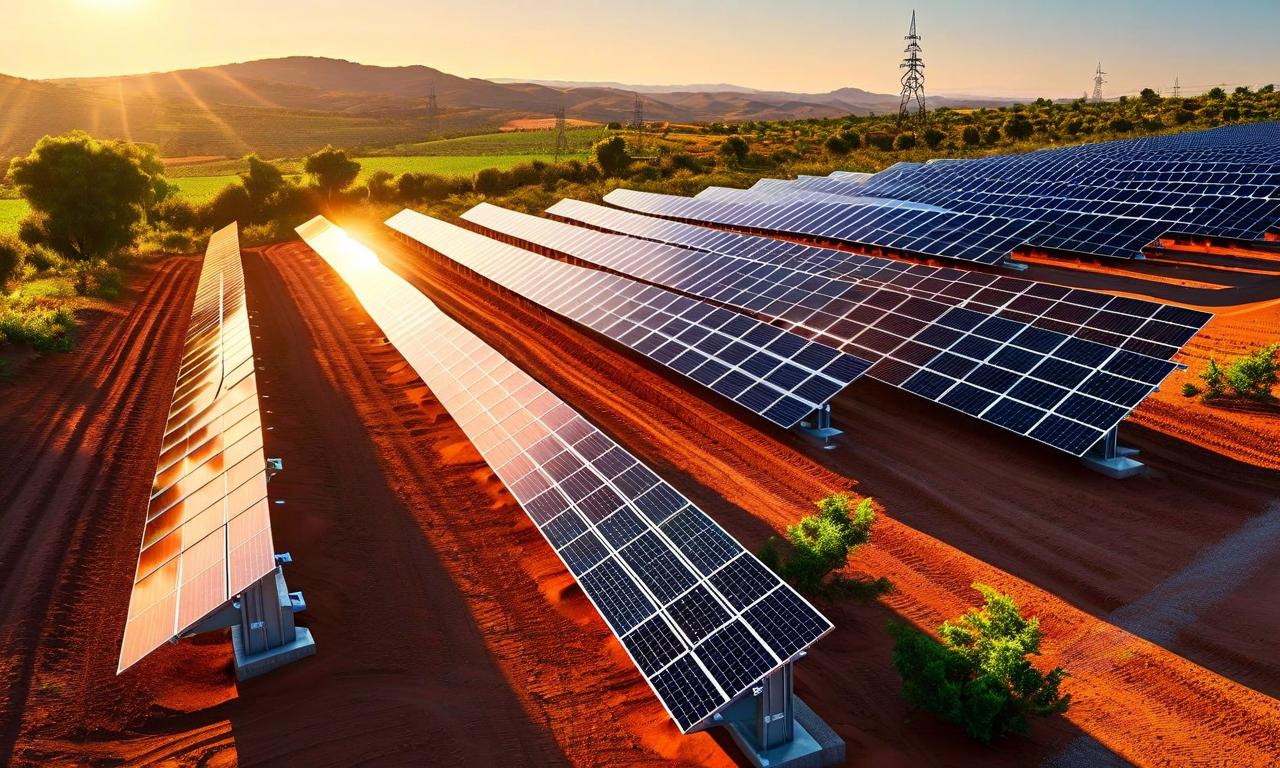
*this image is generated using AI for illustrative purposes only.

The Karnataka government has unveiled the Anantha Scheme, a major solar energy initiative designed to transform the state's rural energy landscape through the establishment of solar micro-grids across all gram panchayats. This comprehensive program represents a significant step toward decentralized renewable energy generation and rural electrification.

Project Implementation Framework

The Anantha Scheme will be executed through a Public-Private Partnership (PPP) model, enabling collaboration between government agencies and private sector entities. This approach is expected to leverage both public policy support and private sector expertise to ensure efficient project implementation and sustainable operations.

Parameter: Details
Scheme Name: Anantha Scheme
Implementation Model: Public-Private Partnership (PPP)
Coverage Area: All Gram Panchayats in Karnataka
Target Generation Capacity: 4000MW annually
Technology Focus: Solar Micro-Grids

Energy Generation Targets

The scheme aims to generate a required annual estimate of 4000MW of electricity, positioning it as a substantial contributor to Karnataka's renewable energy portfolio. This capacity target reflects the state's commitment to expanding solar energy infrastructure and reducing dependence on conventional power sources.

Rural Energy Infrastructure Development

By focusing on gram panchayats, the Anantha Scheme addresses energy needs at the grassroots level, potentially improving electricity access and reliability in rural communities. The micro-grid approach allows for localized energy generation and distribution, which can enhance energy security and reduce transmission losses.

The initiative aligns with broader national and state-level renewable energy policies, supporting India's commitment to increasing solar power capacity and promoting sustainable energy solutions across rural areas.

like19
dislike