
 NewsITC's Cigarette Business Dominance: How Scale and Regulation Create Unmatched Market Position
ITC's Cigarette Business Dominance: How Scale and Regulation Create Unmatched Market Position


ITC maintains over 70% market share in India's cigarette industry through decades of scale advantages and regulatory barriers that prevent effective competition. The company's early market entry, extensive distribution network, and integrated manufacturing create a self-reinforcing competitive moat. With cigarettes contributing ₹8,722.83 crores in Q2 FY26, ITC's financial strength and market position enable continued dominance while supporting diversification across other business segments.


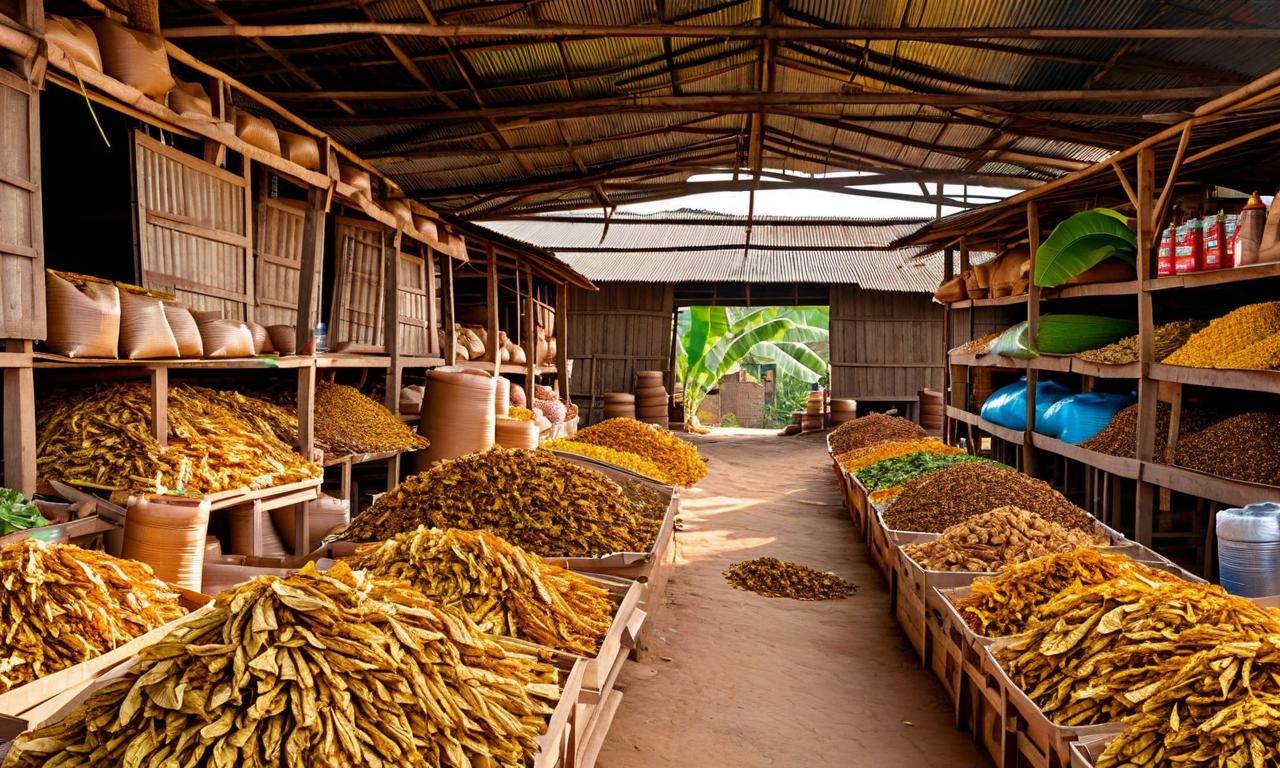
*this image is generated using AI for illustrative purposes only.
ITC commands over 70% of India's cigarette market, maintaining a dominant position that has proven nearly impossible for competitors to challenge. Despite operating in one of the country's most heavily regulated consumer sectors, the company's scale advantages and strategic positioning have created a competitive moat that continues to strengthen over time.
Market Structure and Competitive Landscape
India's cigarette industry operates under strict regulatory constraints, with high taxes, advertising bans, and limited scope for new market entrants. The legal cigarette market is dominated by three established players: ITC, Godfrey Phillips, and VST Industries. However, ITC's market share dwarfs its competitors, controlling more than 70% of legal cigarette volumes.
| Market Parameter | Details |
|---|---|
| ITC Market Share | Over 70% |
| Market Cap | ₹4,23,792.06 crores |
| Share Price | ₹338.25 |
| Daily Change | -0.78% |
Historical Advantages and Early Market Entry
ITC's market dominance traces back to its early 20th-century entry into the Indian cigarette market. The company established manufacturing capacity, sourcing networks, and distribution channels when competition was limited and regulatory oversight was minimal. Through strategic acquisitions of rival factories and vertical integration of the cigarette value chain, including in-house paper and packaging operations, ITC secured a structural advantage that competitors have never been able to overcome.
By India's independence, ITC already controlled most of the organised cigarette market, creating a foundation that has only strengthened over subsequent decades.
Regulatory Barriers and Market Protection
The regulatory environment has inadvertently reinforced ITC's competitive position. The Cigarettes and Other Tobacco Products Act (COTPA) introduced comprehensive advertising bans in 2003, effectively freezing brand-building opportunities across the industry. Key regulatory impacts include:
- Complete prohibition on advertising, sponsorship, and product promotion
- Heavily restricted packaging requirements
- Stringent licensing requirements for manufacturing facilities
- Ban on foreign direct investment in cigarette manufacturing
These regulations particularly benefit established players like ITC, which built strong brand recognition during decades when advertising was permitted. New entrants face insurmountable barriers to building brand awareness and market presence.
Manufacturing and Distribution Scale
ITC's manufacturing footprint was established long before current licensing controls became stringent. The company operates multiple manufacturing locations across India, supported by an extensive supply chain that enables frequent replenishment cycles to millions of retail outlets.
| Business Segment | Q2 FY26 Revenue | Percentage of Total |
|---|---|---|
| Cigarettes | ₹8,722.83 crores | 41.6% |
| Other FMCG | ₹5,964.44 crores | 28.4% |
| Agri Business | ₹3,976.24 crores | 19.0% |
| Paperboards & Packaging | ₹2,219.92 crores | 10.6% |
| Total Revenue | ₹20,958.72 crores | 100% |
The company's distribution network extends from urban stores to roadside outlets, creating availability that far exceeds regional competitors. This extensive reach becomes particularly important in a category where advertising is banned and point-of-sale presence drives consumer choice.
Financial Performance and Market Resilience
ITC's scale advantages translate into strong financial performance and cash generation capabilities. For Q2 FY26, the company reported total revenue of ₹19,502 crores, representing a 2.44% decrease from ₹19,990 crores in Q2 FY25.
| Financial Metric | Q2 FY26 | Q2 FY25 | Change |
|---|---|---|---|
| Revenue | ₹19,502 cr | ₹19,990 cr | -2.44% |
| EBITDA | ₹6,695 cr | ₹6,552 cr | +2.18% |
| Net Profit | ₹5,187 cr | ₹5,054 cr | +2.63% |
| EPS | ₹4.09 | ₹3.99 | +2.51% |
The cigarette business generates substantial and predictable cash flows while requiring relatively modest incremental capital investment. This financial strength enables ITC to absorb regulatory changes, withstand volume fluctuations, and fund investments across its diversified portfolio.
Competitive Moat and Future Outlook
ITC's competitive advantage results from multiple reinforcing factors: historical market position, regulatory protection, extensive distribution, integrated manufacturing, and financial strength. Each element strengthens the others, creating a structure that new competitors find extremely difficult to penetrate.
The company's multi-tiered brand portfolio spans every major price segment, from value offerings to premium products. This comprehensive coverage prevents competitors from establishing uncontested market niches and allows ITC to retain consumers across different economic cycles.
ITC's dominance in India's cigarette market demonstrates how early market entry, combined with scale advantages and regulatory barriers, can create sustainable competitive positions. The company's integrated approach to manufacturing, distribution, and brand management continues to generate the financial resources that support both its core cigarette business and broader diversification strategy.
Historical Stock Returns for ITC
| 1 Day | 5 Days | 1 Month | 6 Months | 1 Year | 5 Years |
|---|---|---|---|---|---|
| -3.05% | +0.78% | -1.11% | -14.88% | -35.51% | 0.0% |












 Create Custom Screeners
  Access 200+ Pre-built Filters
  Use 50+ Readymade Screener





