
 NewsIndia to Table Electricity Amendment Bill in Budget Session to Enhance Power Sector Efficiency
India to Table Electricity Amendment Bill in Budget Session to Enhance Power Sector Efficiency


India plans to table the Electricity Amendment Bill in the upcoming budget session to improve power sector efficiency. The Bill proposes cost-reflective tariffs, enhanced regulatory powers, and provisions for large consumers to procure competitive power while maintaining subsidies for priority groups. Key reforms include reducing cross-subsidy distortions, promoting renewable energy through minimum obligations, and strengthening regulatory governance through expanded tribunal capacity and network sharing provisions.

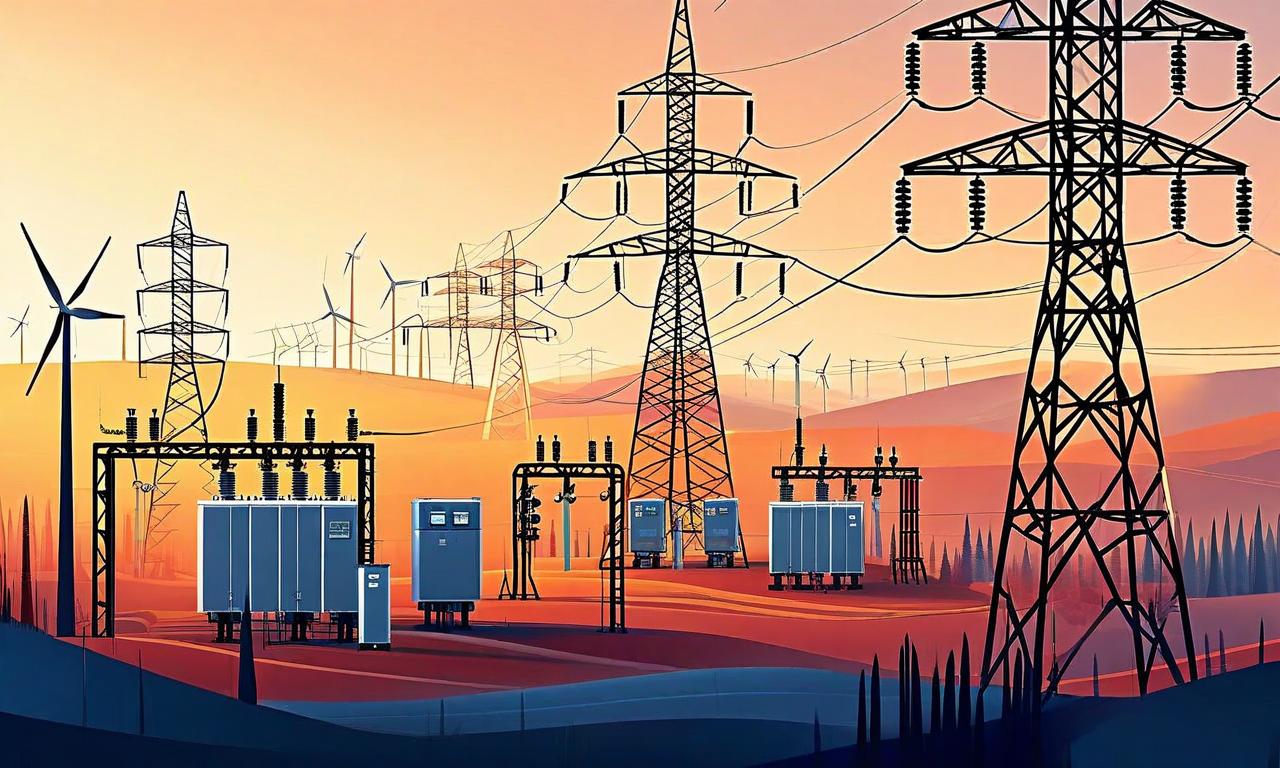

*this image is generated using AI for illustrative purposes only.
The Indian government is set to introduce the Electricity Amendment Bill during the upcoming budget session of Parliament, aiming to enhance the overall efficiency of the country's power sector. The Ministry of Power has scheduled a Chintan Shivir for 22 and 23 January, where stakeholders will discuss recommendations from states and address pending sector issues.
Key Provisions and Reforms
Power Minister Manohar Lal Khattar has described the proposed amendment as crucial for strengthening the legislative foundation of India's power sector. Despite commendable progress across all power sector segments since the Act's enactment in 2003, challenges persist in the distribution segment due to continuing financial stress.
The Bill introduces several significant reforms:
| Reform Area | Key Provisions |
|---|---|
| Tariff Structure | Mandate cost-reflective tariffs |
| Regulatory Powers | Empower Commissions to act suo motu on delayed tariff filings |
| Consumer Subsidies | Continue state subsidies for domestic and agricultural consumers |
| Cross-Subsidies | Reduce distortions to enhance industrial competitiveness |
Enhanced Consumer Choice and Market Mechanisms
The Amendment proposes to empower State Electricity Regulatory Commissions (SERCs), in consultation with state governments, to exempt distribution companies from supplying large consumers. This provision will enable large consumers to procure power at competitive rates from alternative sources while reducing the fixed cost burden on distribution companies.
Large consumers will have the option to exit after providing notice within a reasonable timeframe. The Minister has clarified that apprehensions regarding privatisation, cost increases, or adverse effects on employees are unfounded, with appropriate regulatory and policy measures planned to prevent negative impacts.
Renewable Energy and Non-Fossil Sources
The Bill establishes a minimum obligation for electricity use from non-fossil sources, terming support for increased renewable energy usage as a collective responsibility. To ensure availability of cost-competitive renewable energy, capacity addition will be facilitated through market mechanisms in addition to procurement through distribution company agreements, reducing their financial burden.
Regulatory Governance and Infrastructure
Several measures have been proposed to strengthen regulatory governance:
- Expanding the Appellate Tribunal for Electricity (APTEL) strength to handle increasing case loads
- Incorporating operational reforms, including Right-of-Way provisions, directly into the Act
- Enabling distribution network sharing to avoid duplication and benefit consumers
- Establishing an Electricity Council to promote cooperative federalism and build national consensus on power sector reforms
Stakeholder Consultation and Implementation
Last month, the Minister chaired a Parliamentary Consultative Committee meeting to seek Members of Parliament's views on various proposals in the Draft Electricity (Amendment) Bill, 2025, which was released for stakeholder consultation. The Minister has confirmed no change in government policy regarding market coupling.
The Central Government has committed to providing reasonable compensation to farmers for land used for laying electric lines, with the Ministry of Power having issued guidelines for determining compensation linked to market rates. The Bill aims to ensure better service delivery, reduce financial and compliance burdens, and create a more conducive business environment while maintaining that financial discipline and consumer welfare go hand in hand.
 20
20






 Create Custom Screeners
  Access 200+ Pre-built Filters
  Use 50+ Readymade Screener





