
 News Stocks India Announces $570 Million Program to Cut Steel Industry Emissions Amid European Carbon Tax Concerns
India Announces $570 Million Program to Cut Steel Industry Emissions Amid European Carbon Tax Concerns


India announces a 50-billion-rupee program to reduce emissions in the steel industry, focusing on small firms. Simultaneously, the country's steel exports face potential hurdles due to Europe's carbon tax. The program aims to encourage decarbonization and aligns with India's net-zero emissions goal by 2070. The steel industry must navigate these challenges while meeting growing domestic demand.
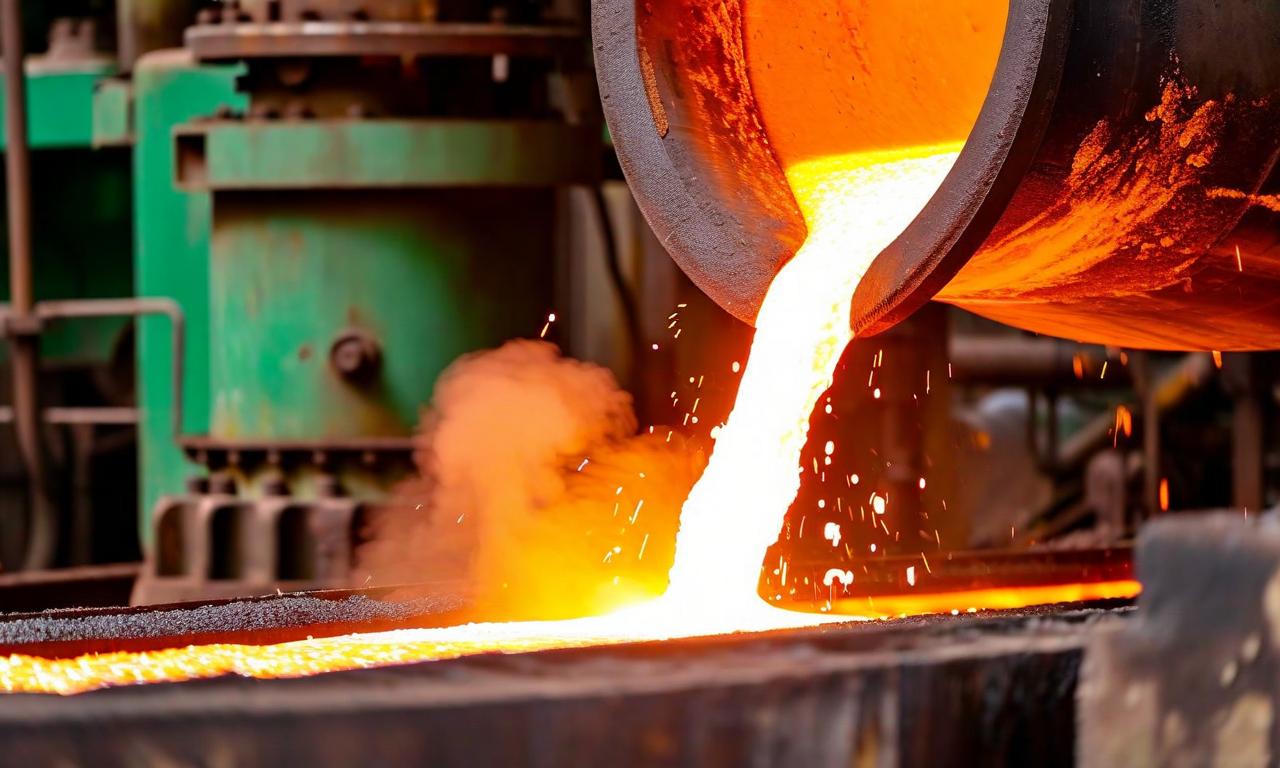

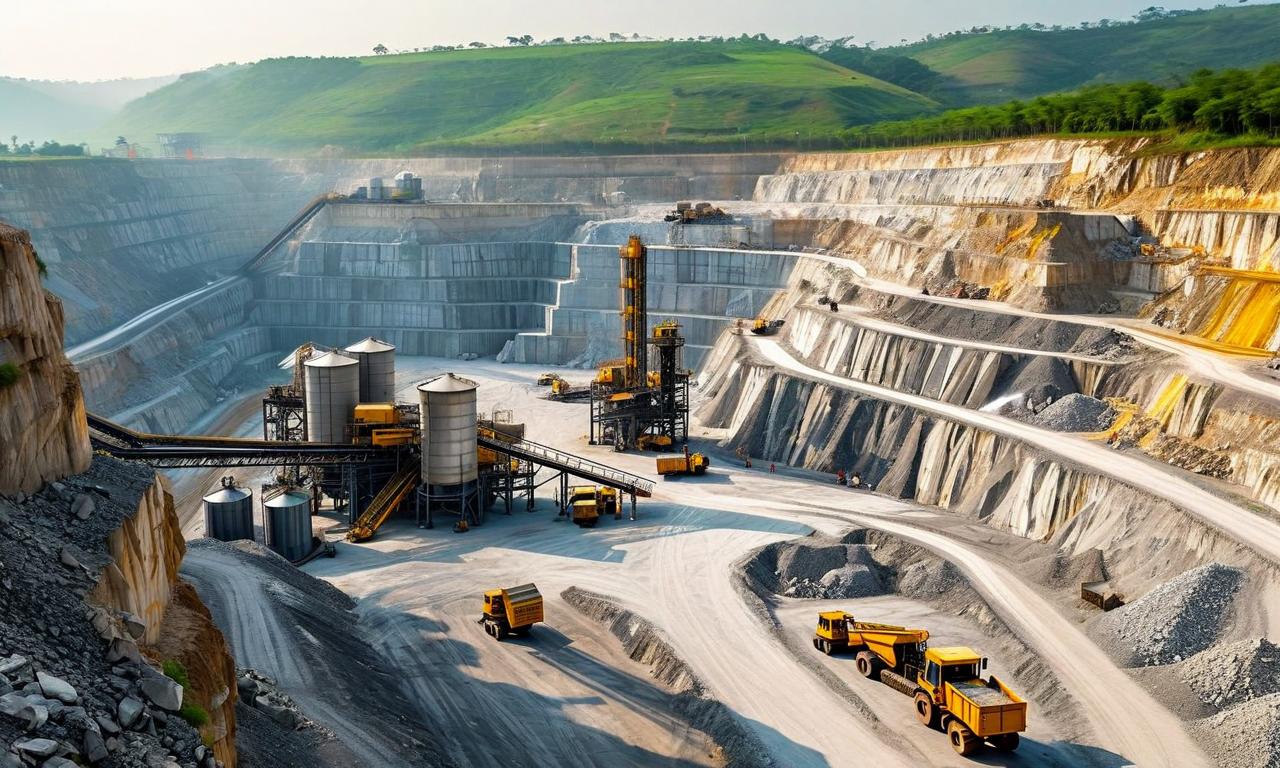
*this image is generated using AI for illustrative purposes only.
India's steel industry faces dual challenges as the country announces a significant emission reduction program while also grappling with potential export hurdles due to Europe's carbon tax. These developments underscore the growing emphasis on environmental sustainability in the global steel market.
Emission Reduction Program
India has unveiled plans for a 50-billion-rupee ($570.00 million) program aimed at encouraging steel producers to reduce emissions. Steel ministry secretary Sandeep Poundrik announced that the initiative will particularly focus on small firms, which account for nearly half of the country's steel output. The program targets secondary plants producing semi-refined, refined, or finished products, offering proportionate rewards for different levels of decarbonization.
This initiative aligns with India's goal of achieving net-zero emissions by 2070 and aims to facilitate trade with the European Union, which imposes border carbon taxes on emission-intensive imports.
Carbon Tax Concerns
Simultaneously, India's Steel Secretary has warned about the impact of Europe's carbon tax on steel exports. This highlights growing concerns about the competitiveness of Indian steel in European markets amidst evolving environmental policies.
Potential Impact on Exports
The implementation of a carbon tax in Europe could have several implications for Indian steel exporters:
- Increased Costs: Indian steel manufacturers may face higher costs when exporting to European markets, potentially affecting their pricing competitiveness.
- Market Access: The new tax structure could create additional barriers for Indian steel products entering the European market.
- Adaptation Challenges: Indian steel companies might need to invest in greener technologies and processes to meet European environmental standards.
Industry Response and Growth
Despite these challenges, steel demand in India continues to grow due to infrastructure projects and rising housing demand. Many new small steel plants are being established, although concerns persist about their high pollution levels.
The steel industry in India is likely to closely monitor these developments and may need to strategize accordingly. Possible responses could include:
- Investing in cleaner production technologies
- Exploring alternative markets to diversify export destinations
- Engaging in diplomatic discussions to address concerns and seek favorable terms
Broader Implications
This situation reflects the growing global emphasis on environmental sustainability in industrial production. As countries worldwide implement stricter environmental regulations, industries like steel manufacturing face increasing pressure to adapt to a low-carbon economy.
The Indian government and steel industry stakeholders will need to collaborate closely to navigate these challenges and maintain the sector's competitiveness in the global market. The coming months may see increased dialogue between Indian and European authorities as they work to address these concerns and find a balance between environmental goals and trade relations.
As the situation develops, it will be crucial for the Indian steel industry to stay agile and responsive to changing global market dynamics and environmental policies, while also taking advantage of the government's new emission reduction program.
 19
19





 Access 50+ Readymade Screeners
  Use 200+ Custom Filters
  Get Full Market Insights





