India's Home Sales Drop 7% from Peak as Construction Lags Behind New Launches


India's residential property market shows a 7% decline in home sales from peak levels, with construction completion lagging significantly behind new project launches. While luxury segment demand supports stable prices, developers face execution pressure due to slower construction progress affecting revenue recognition and increasing costs. Regional variations exist with Delhi-NCR having lower unsold inventory compared to Mumbai, and early price softening signals emerge with 18% of projects offering up to 5% discounts.
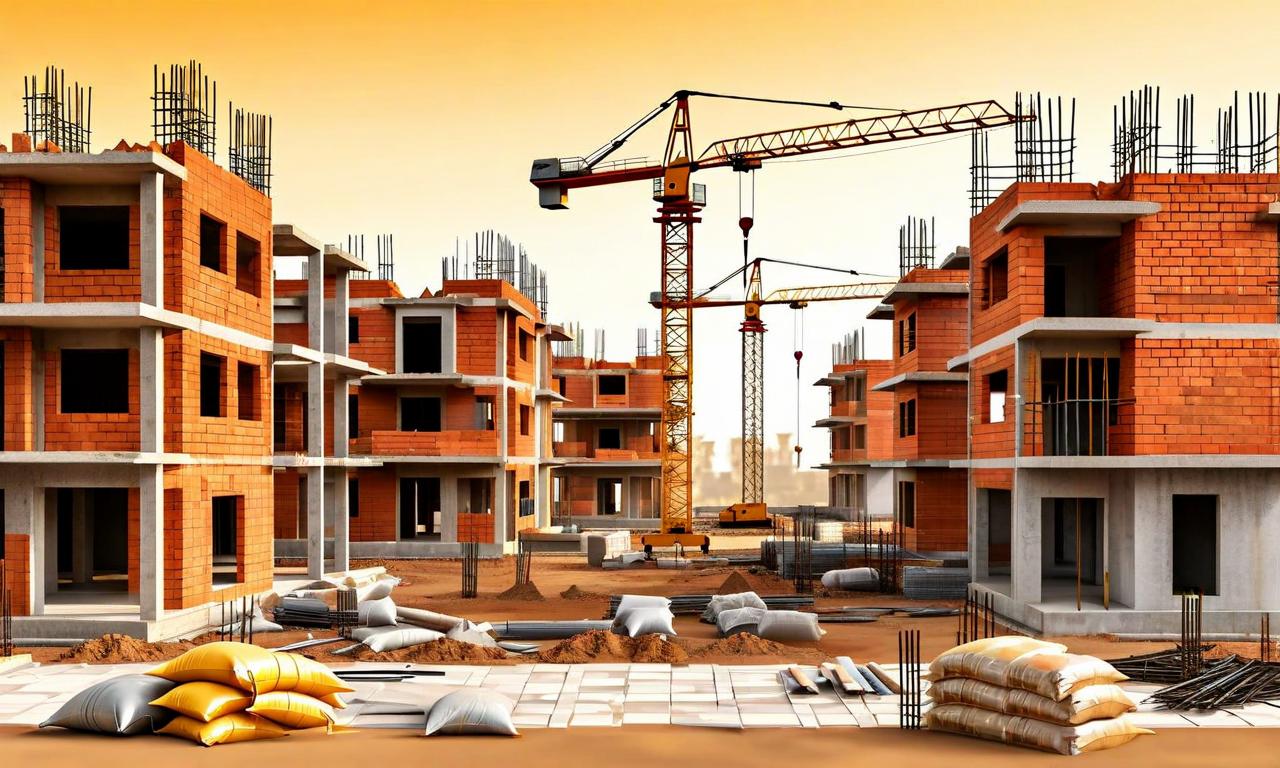
*this image is generated using AI for illustrative purposes only.
India's residential property market is witnessing a notable slowdown with home sales declining 7% from their peak levels achieved in early last year. Despite this volume decline, market prices have remained relatively stable, primarily supported by sustained demand in the luxury housing segment, according to Pankaj Kapoor, Founder and Managing Director of Liases Foras.
Construction Execution Challenges
The market faces a significant structural imbalance between project launches and actual construction completion. Developers are completing approximately 2 billion square feet annually, while new supply introductions have reached 3-3.5 billion square feet over the past three to four years. This construction lag is creating substantial pressure on developers' execution capabilities and cash flow management.
| Construction Metric | Annual Volume |
|---|---|
| Actual Construction Completion | 2 billion sq ft |
| New Supply Introduction (3-4 years) | 3-3.5 billion sq ft |
| Sales Volume Change | -7% from peak |
The gap between launches and construction is causing structural stress for developers, as slower construction progress delays revenue recognition while simultaneously increasing interest costs and overall project expenses.
Market Dynamics and Price Trends
While transaction volumes have decreased by 6-7%, market values have demonstrated resilience due to demand concentration in premium housing segments. However, this luxury-driven support may not be sustainable long-term, as broader market demand needs to expand across various income segments for sustained growth.
Price growth across most cities has moderated to the 0-5% range, with some north Indian markets that previously experienced sharp increases now showing signs of plateauing as new supply enters the market. Early indicators of price softening are emerging, with approximately 18% of tracked projects implementing price cuts of up to 5% during the recent quarter.
Regional Market Variations
The market situation varies significantly across different regions, reflecting local supply-demand dynamics:
| Region | Unsold Inventory | Market Condition |
|---|---|---|
| Delhi-NCR | 60,000-67,000 units | Limited unsold inventory |
| Mumbai Metropolitan Region | ~300,000 units | Higher unsold stock |
| Pune | - | Sharp volume decline |
| Delhi, Ahmedabad, Chennai, Hyderabad | - | Volume declines |
Cities such as Noida, Greater Noida, and Ghaziabad previously experienced significant price increases due to supply constraints, which enabled developers to raise prices substantially. With new projects now entering these markets, builders are offering discounts to maintain cash flows and sales momentum.
Market Outlook and Price Correction Risk
Despite current challenges, the risk of major price corrections appears limited. Rental yields of 3-4% in major cities, including Mumbai, are providing fundamental support to property values. The market dynamics have shifted significantly following the implementation of the Real Estate Regulation and Development Act (RERA), with current conditions being more driven by genuine demand-supply fundamentals.
Developers are increasingly finding it challenging to attract investor interest, leading to strategic discount offerings and promotional schemes. However, future price increases are expected to remain moderate, with discount levels likely to stay within reasonable limits as the market adjusts to the new supply-demand equilibrium.
 19
19