NewsStocksIndia Proposes Annual Revisions to Industrial Output Weights to Reflect Economic Shifts
India Proposes Annual Revisions to Industrial Output Weights to Reflect Economic Shifts


India's Statistics Ministry proposes shifting from fixed-base to chain-based methodology for calculating the Index of Industrial Production, with annual weight revisions to better reflect economic changes. The current system uses 2011-12 weights with manufacturing at 78%, mining at 14%, and electricity at 8%. The proposed approach would align India with international practices used by the US, Britain, and EU, though it presents challenges including non-additive indices and revision complexity. Stakeholder comments are invited by January 25.

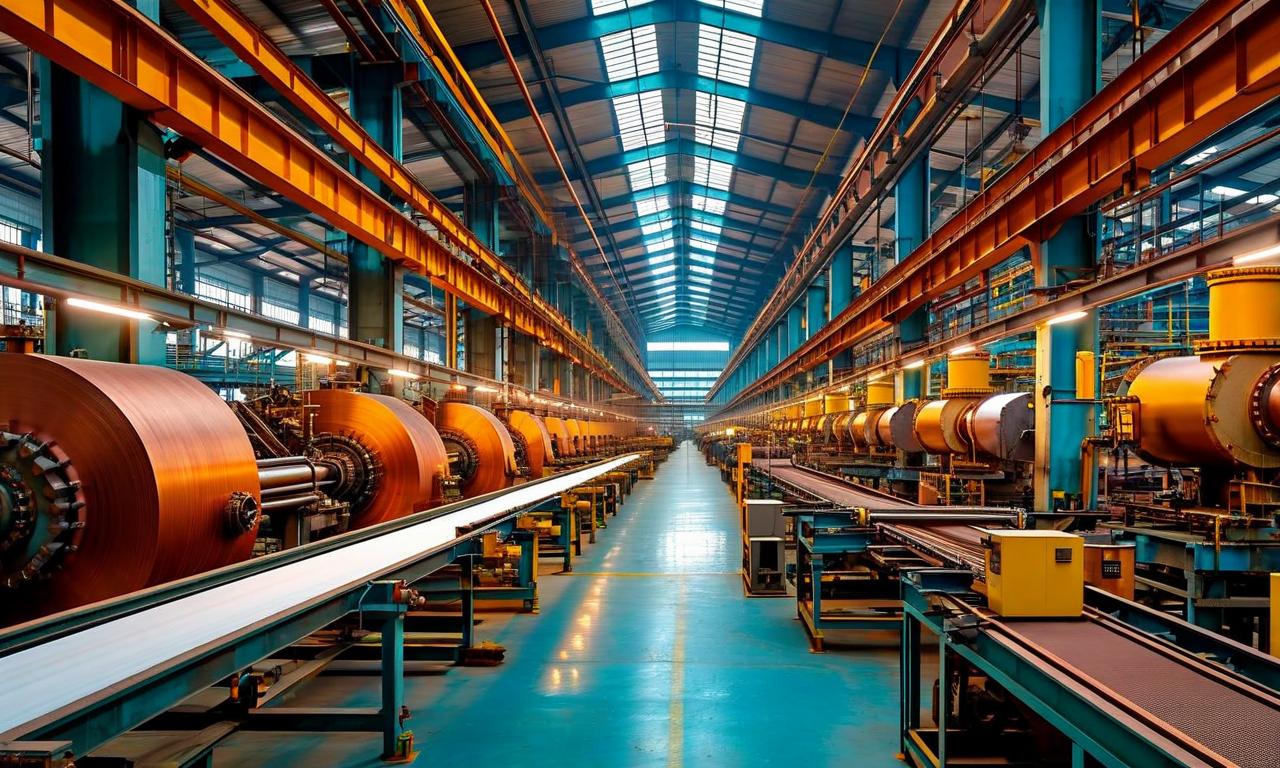
*this image is generated using AI for illustrative purposes only.
India is considering a fundamental shift in how it calculates its Index of Industrial Production (IIP) by proposing annual revisions to sector weights, moving away from the current fixed-base methodology that has been in use since the 2011-12 base year. The Statistics Ministry's discussion paper outlines this significant change as part of a broader federal initiative to modernize key economic data series.
Current IIP Structure and Proposed Changes
The existing IIP framework, which tracks output across mining, manufacturing, and electricity sectors, currently operates on 2011-12 weights and is scheduled to revise its base year to 2022-23 in May. The current weight distribution reflects the economic structure from over a decade ago:
| Sector | Current Weight (2011-12 Base) |
|---|---|
| Manufacturing | 78% |
| Mining | 14% |
| Electricity | 8% |
The proposed chain-based approach would replace this fixed system with annual updates to sector and industry weights, using the most recent available national accounts data for sector-level revisions and the Annual Survey of Industries for industry-level adjustments.
Alignment with International Standards
The move toward a chain-linked index would bring India in line with international statistical best practices currently employed by major economies including the United States, Britain, and European Union members. The ministry's paper emphasizes that the current system has become less representative as industries expand, shrink, or emerge, creating substitution bias that can distort growth estimates.
This modernization effort addresses the fundamental challenge of maintaining accuracy in economic measurement as the industrial landscape evolves. The fixed-base method, while simpler to implement, fails to capture the dynamic nature of India's rapidly changing economy.
Implementation Challenges and Considerations
The discussion paper acknowledges several key risks associated with the proposed chain-linked methodology:
- Non-additive nature: Sub-indices may not sum exactly to the headline index
- Volatility sensitivity: Indices can drift during periods of sharp economic fluctuations
- Revision complexity: Each monthly index would undergo three revisions after quick estimates before finalization
These technical challenges represent trade-offs between improved accuracy and operational complexity that policymakers must carefully consider.
Broader Economic Data Overhaul
This IIP methodology revision forms part of a comprehensive effort to modernize India's economic statistics. The government has also proposed removing closed factories from the IIP sample and replacing them with operating units to improve accuracy and align with global standards. These concurrent reforms demonstrate a systematic approach to enhancing the reliability and relevance of India's industrial output measurements.
Stakeholder Consultation Process
The Statistics Ministry has opened the proposal for public consultation, inviting comments and suggestions from stakeholders by January 25. This consultation period allows industry participants, economists, and other interested parties to provide input on the proposed changes before implementation.
The timing of this consultation, alongside the planned base year revision to 2022-23 in May, suggests a coordinated effort to implement multiple improvements to India's industrial statistics framework simultaneously.
 20
20