
 NewsIndia Inc Commits Massive Capital to Green Energy Transition with ₹2.5 Lakh Crore Investment Plans
India Inc Commits Massive Capital to Green Energy Transition with ₹2.5 Lakh Crore Investment Plans


Indian corporations are committing substantial capital toward clean energy transition, with major companies announcing investment plans totaling over ₹2.5 lakh crore. A CEEW study projects ₹341 lakh crore in cumulative green investments by 2047, creating 48 million jobs. Tata Power leads with ₹1.25 lakh crore investment for 30 GW capacity, while JSW Energy operates India's largest green hydrogen plant and JSW Steel invests ₹50,000-60,000 crore in green steel manufacturing for European exports under CBAM regulations.


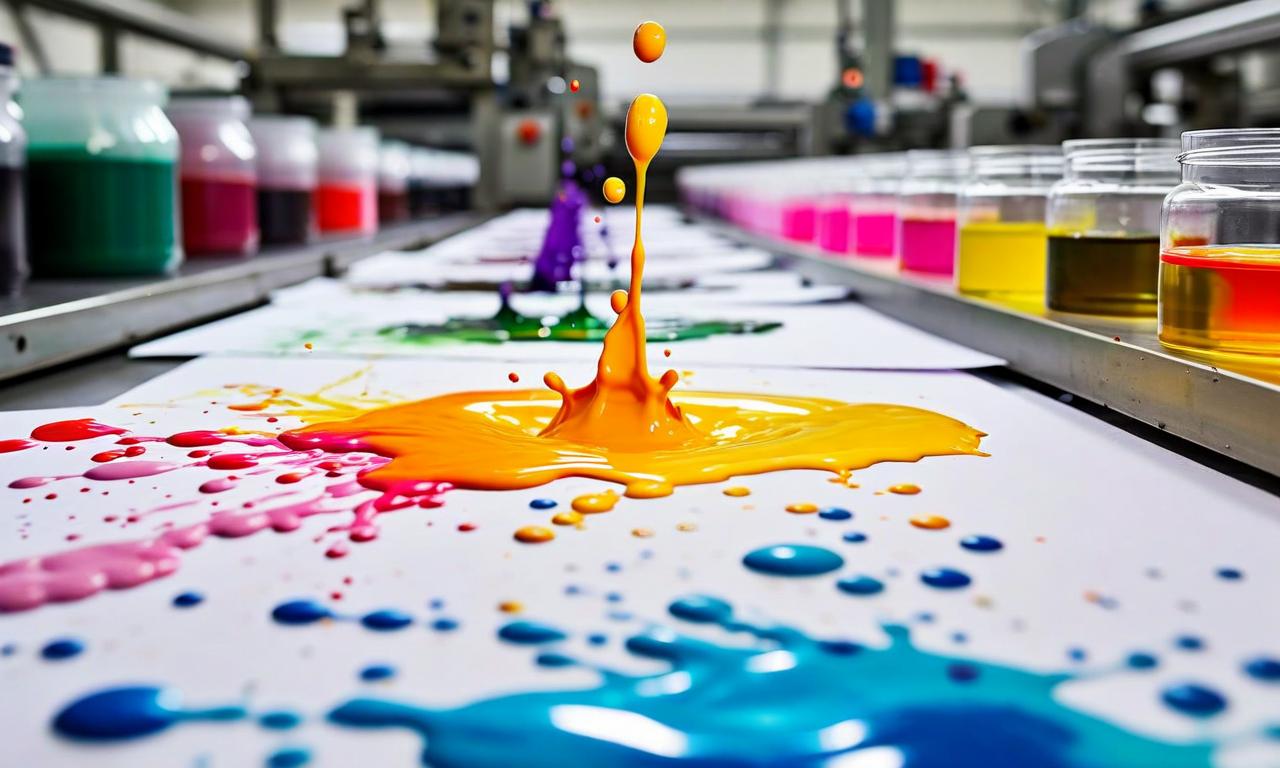
*this image is generated using AI for illustrative purposes only.
Indian corporations are significantly reallocating their capital expenditure toward clean energy and climate-aligned projects, marking a decisive shift in the country's industrial landscape. From power utilities to steel manufacturers, major companies are committing substantial resources to renewable energy, green hydrogen, and low-carbon manufacturing technologies.
Market Opportunity and Investment Potential
A comprehensive study by the Council on Energy, Environment and Water (CEEW) reveals the massive scale of India's green economy opportunity. The research projects that India could attract ₹341.00 lakh crore in cumulative green investments by 2047, while simultaneously creating 48 million full-time equivalent jobs. The assessment further estimates a potential annual green market worth ₹91.00 lakh crore by 2047, underscoring the economic significance of the clean energy transition.
| Investment Metric | Projected Value |
|---|---|
| Cumulative Green Investments by 2047 | ₹341.00 lakh crore |
| Job Creation Potential | 48 million FTE jobs |
| Annual Green Market by 2047 | ₹91.00 lakh crore |
Tata Power's Ambitious Clean Energy Expansion
Tata Power has announced one of India's largest clean energy investment programs, outlining a ₹1.25 lakh crore capital expenditure plan over the next five years. The utility aims to scale its total generation capacity to approximately 30 GW by FY30, with 65% of the planned capital directed toward clean and green energy initiatives.
The investment strategy encompasses expanding renewable capacity to over 20 GW, strengthening transmission infrastructure, and developing emerging businesses including solar manufacturing and electric vehicle charging networks. Managing Director and CEO Praveer Sinha emphasized that the program will focus on renewable generation, transmission upgrades, distribution reforms, and next-generation energy solutions.
JSW Energy's Green Hydrogen Leadership
JSW Energy has operationalized India's largest green hydrogen manufacturing facility under the National Green Hydrogen Mission. The plant, strategically located alongside JSW Steel's Vijayanagar facility in Karnataka, represents a significant milestone in industrial decarbonization efforts.
| Green Hydrogen Project Details | Specifications |
|---|---|
| Green Hydrogen Supply | 3,800 tonnes per annum |
| Green Oxygen Supply | 30,000 tonnes per annum |
| Contract Duration | Seven years |
| SIGHT Programme Allocation | 6,800 TPA |
| Scaled Target by 2030 | 85,000-90,000 TPA hydrogen |
The company has secured a seven-year offtake agreement to supply 3,800 tonnes per annum of green hydrogen and 30,000 tonnes per annum of green oxygen to JSW Steel's direct reduced iron unit. JSW Energy currently maintains 30.50 GW of locked-in generation capacity and 29.40 GWh of locked-in energy storage capacity, targeting 30 GW of generation and 40 GWh of storage by FY30.
Manufacturing Sector Investments
Waaree Energies is deploying approximately ₹8,175 crore across multiple clean energy manufacturing segments. The company plans to expand its lithium-ion battery energy storage systems capacity from 3.50 GWh to 20.00 GWh with ₹8,000 crore investment. Additional commitments include increasing electrolyser manufacturing capacity from 300 MW to 1,000 MW (₹125 crore) and expanding inverter capacity from 3 GW to 4 GW (₹50 crore).
JSW Steel is investing ₹50,000-60,000 crore over three to four years to build 10 million tonnes of green steel capacity at its Salav Works unit in Maharashtra. This output will primarily serve European export markets, where the Carbon Border Adjustment Mechanism becomes effective from 2026.
ONGC's Renewable Energy Subsidiary
ONGC Green, established as a wholly-owned subsidiary in 2024, is responsible for delivering the parent company's 10 GW renewable capacity target by 2030. CEO and Executive Director Sanjay Kumar Mazumder projects the subsidiary will contribute ₹6,000 crore in EBITDA by 2030, representing approximately 9% of ONGC's standalone EBITDA in FY24.
According to Grant Thornton Bharat partner Rishi Shah, reallocating capital toward climate-aligned projects demonstrates economic prudence, as green spending multipliers typically exceed traditional capital expenditure due to higher domestic content and labor intensity. With India requiring nearly ₹33.00 lakh crore in renewable financing by 2030, strategic government policies and clear regulatory frameworks remain crucial for catalyzing private sector investment.
Historical Stock Returns for DIC India
| 1 Day | 5 Days | 1 Month | 6 Months | 1 Year | 5 Years |
|---|---|---|---|---|---|
| -3.41% | -7.81% | +1.33% | +31.33% | +20.88% | +31.36% |
 20
20










 Create Custom Screeners
  Access 200+ Pre-built Filters
  Use 50+ Readymade Screener





