Half of cars sold in South Africa have India connection: Report

2 min read     Updated on 30 Dec 2025, 08:27 PM
scanx
Reviewed by
Shriram SScanX News Team
Overview

Market intelligence firm Lightstone reports that half of cars sold in South Africa in 2025 have India connections, with 49% of passenger vehicles imported from India in the first five months. Mahindra leads through its Pikup series, while 84% of Japanese-branded vehicles sold were manufactured in India, primarily by Maruti Suzuki operations. This represents a dramatic increase from 5% Indian market share in 2009, driven by lower manufacturing costs and established production capabilities.

28652222

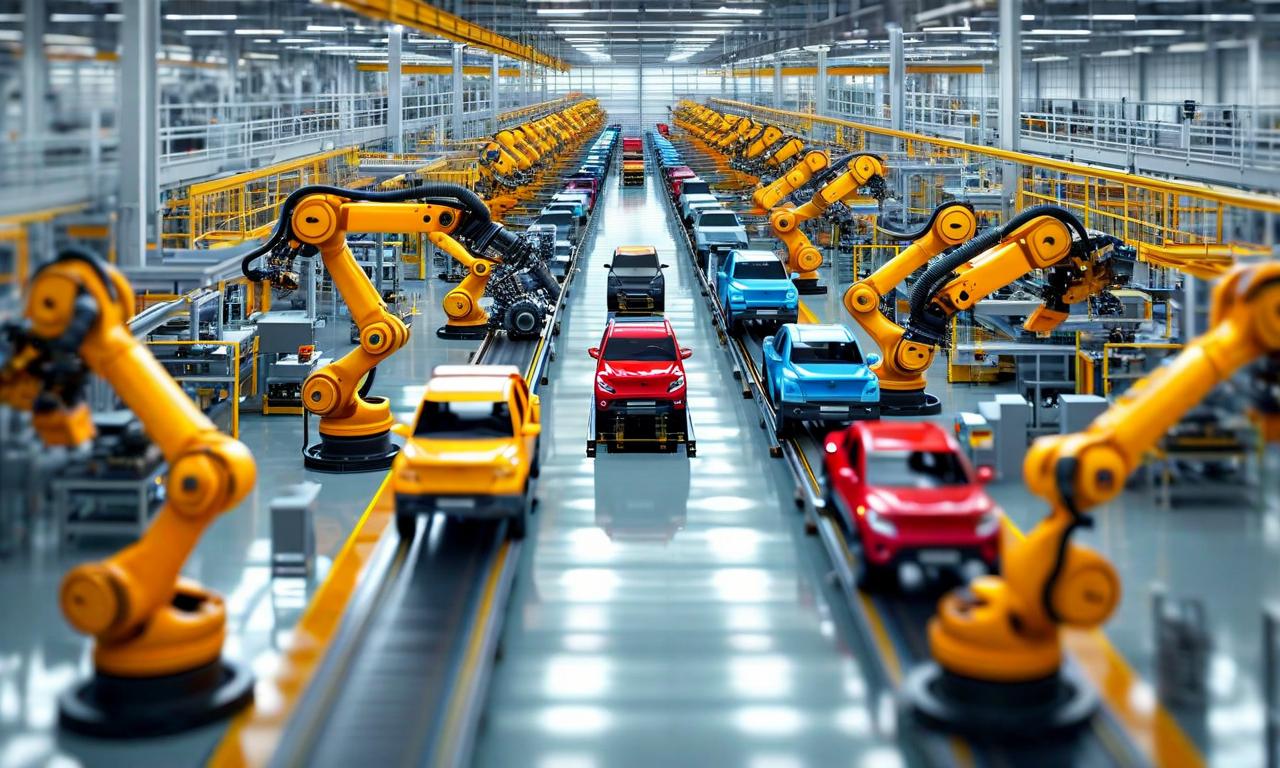
*this image is generated using AI for illustrative purposes only.

A new report by market intelligence firm Lightstone has revealed that half of the cars sold in South Africa in 2025 have connections to India, marking a significant shift in the country's automotive landscape. These vehicles are either manufactured by Indian companies or contain components made in India, demonstrating the growing influence of Indian automotive manufacturing in the South African market.

Indian Brands Leading Market Penetration

Mahindra & Mahindra has emerged as a key player in the South African automotive market, particularly through its Pikup series, according to the Lightstone report. The company's success highlights the growing acceptance of Indian automotive brands in international markets. Additionally, Tata Motors has also established a notable presence in the region, contributing to India's expanding automotive footprint.

The following table illustrates the market share breakdown for 2024:

Source: Market Share (%)
Locally Produced Vehicles: 37%
Indian Imports (Direct/Indirect): 36%
Chinese Imports: 11%
Other Sources: 16%

Japanese Brands Manufactured in India

A striking revelation from the report shows that 84% of all Japanese-branded light vehicles sold in South Africa in 2024 were imported from India, with only 10% actually built in Japan. Most of these vehicles originate from Maruti Suzuki operations in India, which also supplies Japanese brand Toyota vehicles including:

  • Toyota Starlet
  • Toyota Starlet Cross
  • Toyota Vitz
  • Toyota Urban Cruiser

This manufacturing strategy leverages India's competitive advantages in automotive production while maintaining established brand recognition in the South African market.

Passenger Vehicle Dominance

When excluding sales of Pikups and light commercial vehicles, India's market share becomes even more pronounced. Lightstone figures for the first five months of 2025 showed that 49% of all passenger vehicle sales were imported from India, representing nearly half of the South African passenger car market.

Period: Indian Market Share
2009: 5%
2024 (Total Vehicles): 36%
2025 (Passenger Cars Only): 49%

Manufacturing Cost Advantages

Andrew Hibbert, Auto Data Analyst at Lightstone, attributed the growth in vehicle sales originating from India to the large number of vehicle manufacturers now producing in the country. The key factors driving this trend include:

  • Relatively cheap cost of labour
  • Overall lower manufacturing costs
  • Established automotive ecosystem
  • Quality manufacturing capabilities

Market Perception vs Reality

Despite the high visibility of Chinese vehicles from manufacturers like Haval and Cherry on South African roads, the data reveals a different story. While these brands have gained popularity among buyers over the past three years, Chinese imports accounted for just 11% of vehicle sales in 2024. This contrasts sharply with the common perception that Chinese brands are leading the market.

Impact on Local Industry

Analysts noted that while the trend is helping buyers obtain price relief, it raises concerns for the local automotive industry. The data shows a dramatic shift from 2009, when approximately half of the light vehicles sold in South Africa were locally produced, compared to just 5% sourced from India. This transformation highlights the changing dynamics of global automotive manufacturing and trade patterns in the region.

Historical Stock Returns for Mahindra & Mahindra

1 Day5 Days1 Month6 Months1 Year5 Years
-1.25%-2.23%-0.12%+16.45%+19.16%+377.26%
Mahindra & Mahindra
View in Depthredirect
like15
dislike

Mahindra CEO Anish Shah Bets Big on EVs Over Hybrids

2 min read     Updated on 29 Dec 2025, 02:09 PM
scanx
Reviewed by
Radhika SScanX News Team
Overview

Mahindra & Mahindra Group CEO Anish Shah announced the company's exclusive focus on electric vehicles, rejecting hybrid technology. The strategy centers on 'Born Electric' platforms, designed specifically for electric powertrains. Shah highlighted advantages of this approach, including superior vehicle dynamics, enhanced safety, reduced complexity, lower operating costs, and less maintenance. The company's BE6 Batman Edition SUV sold out rapidly, demonstrating market interest. Mahindra's strategy contrasts with competitors who maintain hybrid options. Shah believes the temporary advantages of hybrids will diminish as charging infrastructure improves.

28543175

*this image is generated using AI for illustrative purposes only.

Mahindra & Mahindra Group has made a bold strategic decision to focus exclusively on electric vehicles while steering clear of hybrid technology, according to CEO Anish Shah. In a recent interview with NDTV Profit, Shah outlined the company's rationale for betting on EVs as the long-term solution for sustainable mobility, emphasizing the advantages of 'Born Electric' vehicles over hybrid models.

Strategic Focus on 'Born Electric' Platforms

Shah's strategy centers on what Mahindra calls 'Born Electric' platforms—vehicles designed specifically for electric powertrains from the ground up. This approach differs significantly from the industry's initial transition method of converting internal combustion engine vehicles to electric.

"Born electric is effectively designing the vehicle for electric," Shah explained. "In the transition from ICE, all car makers initially took the ICE car, took out the engine, put batteries in, modified the powertrain, and it was an electric car. That's not efficient at all."

The company's confidence in this strategy was demonstrated by the BE6 Batman Edition, a limited-edition SUV that sold out all 999 units in just two minutes.

Market Position Against Hybrid Trend

While competitors like Maruti Suzuki with its Grand Vitara Strong Hybrid and Toyota Kirloskar Motors with the Innova Hycross continue pushing hybrid technology, Mahindra has chosen a different path. Even Tata Motors, India's EV market leader, maintains flexibility by backing both EVs and keeping options open for multiple pathways.

Strategy Comparison Mahindra Competitors
Primary Focus Born Electric EVs Hybrid + EV flexibility
Vehicle Design Ground-up EV platforms Adapted ICE platforms
Market Approach Single powertrain focus Dual powertrain strategy

Shah acknowledged that hybrids offer short-term benefits, particularly for longer highway drives where charging infrastructure remains limited. However, he argues this advantage is temporary and will diminish as charging infrastructure improves.

Technical and Economic Advantages

The CEO outlined several advantages of the Born Electric approach over hybrid technology:

  • Superior vehicle dynamics: Better ride quality, handling, and suspension
  • Enhanced safety features: Improved safety characteristics through dedicated EV design
  • Reduced complexity: Single powertrain system versus dual powertrains in hybrids
  • Lower operating costs: Cheaper electricity compared to fuel costs
  • Reduced maintenance: Fewer mechanical components requiring service

Shah emphasized the practical benefits for consumers: "When you have the range these cars give you — 500 km in real-life conditions — most of our customers will charge once a week when they are driving in the city."

Long-Term Infrastructure Bet

"Hybrid gives you a short-term advantage," Shah stated, "but once charging infrastructure improves, that advantage goes away." This perspective reflects Mahindra's confidence in India's evolving EV infrastructure landscape.

The CEO was particularly direct in his assessment of hybrid technology's future relevance: "Hybrid, as someone said, is buying a typewriter in the age of iPhones."

Diversified Business Structure

Mahindra's strategic flexibility extends beyond automotive decisions to its overall business structure. The group maintains a decentralized approach across multiple sectors, with automotive contributing only about a quarter of group profits. The remaining revenue comes from farm equipment, services, real estate, logistics, and hospitality.

"The biggest risks are often the ones you don't see coming," Shah noted. "What you need is the ability to move fast." This philosophy has helped the group navigate challenges from semiconductor shortages during the pandemic to supply-chain constraints, sometimes requiring innovative solutions like manufacturing vehicles without key components and retrofitting them later.

Mahindra's decisive move away from hybrid technology represents a significant strategic bet on the future of electric mobility in India, positioning the company as a pure-play EV manufacturer in an increasingly competitive market.

Historical Stock Returns for Mahindra & Mahindra

1 Day5 Days1 Month6 Months1 Year5 Years
-1.25%-2.23%-0.12%+16.45%+19.16%+377.26%
Mahindra & Mahindra
View in Depthredirect
like19
dislike
More News on Mahindra & Mahindra
Explore Other Articles
3,677.30
-46.70
(-1.25%)