

DGFT Extends Low-Ash Metallurgical Coke Import Restrictions Till June 2026


The Directorate General of Foreign Trade has extended import restrictions on low-ash metallurgical coke until June 30, 2026, impacting coal mining companies and steel manufacturers. The policy specifically targets coke with ash content below 18% while keeping high-ash variants unrestricted, demonstrating a balanced regulatory approach to maintain industrial supply chain stability.



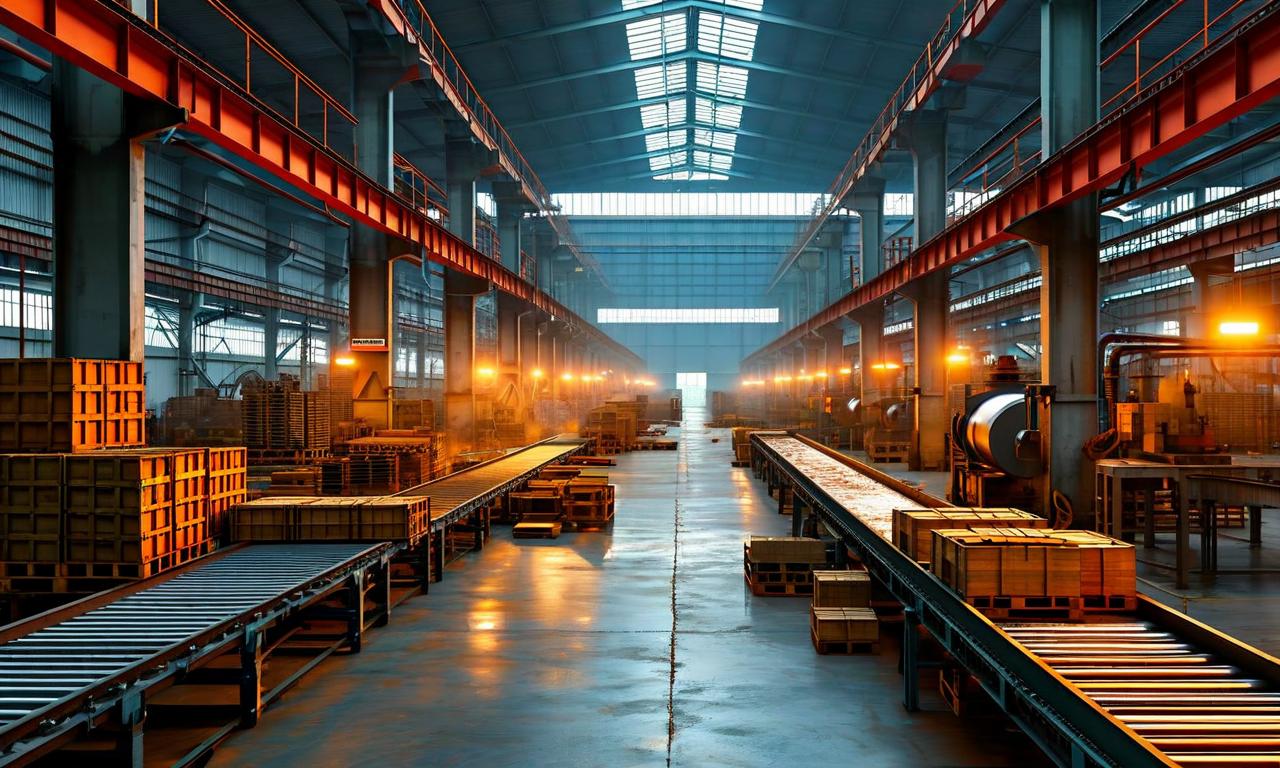
*this image is generated using AI for illustrative purposes only.
The Directorate General of Foreign Trade (DGFT) has extended import restrictions on low-ash metallurgical coke for an additional six months, spanning from January 1 to June 30, 2026. The decision continues the regulatory approach toward this critical steelmaking ingredient, impacting coal mining companies and steel manufacturers across the industry.
Scope of Import Restrictions
The restrictions specifically target metallurgical coke with particular ash content specifications. The policy creates a clear distinction between different types of metallurgical coke based on their ash content levels.
| Parameter: | Details |
|---|---|
| Restricted Products: | Low-ash metallurgical coke (ash content below 18%) |
| Included Variants: | Coke fines, coke breeze, ultra-low phosphorous metallurgical coke |
| Restriction Period: | January 1, 2026 to June 30, 2026 |
| Import Status: | Permitted only in accordance with regulations |
Exemptions from Restrictions
The notification clarifies that certain categories of metallurgical coke remain outside the scope of these import limitations. High-ash content metallurgical coke, specifically those with ash content above 18%, continues to be freely importable without regulatory constraints.
Additionally, other metallurgical coke imports not falling under the low-ash category maintain their unrestricted status, ensuring continued availability for industrial requirements.
Policy Continuity and Industry Impact
This extension represents a continuation of the government's regulatory framework for metallurgical coke imports. The previous restriction period concluded on December 31, 2025, making this announcement a seamless transition to maintain policy consistency.
| Impact Area: | Details |
|---|---|
| Coal Mining Companies: | Potential increased domestic demand for low-ash coke |
| Steel Manufacturers: | Continued reliance on regulated import channels |
| Policy Duration: | Six-month extension allowing periodic review |
| Market Approach: | Balanced strategy maintaining supply chain stability |
Industrial Significance
Low-ash metallurgical coke serves as a crucial input in steelmaking processes, where its quality directly impacts steel production efficiency and output quality. Beyond steel manufacturing, this material finds applications across various industrial sectors, making its availability and pricing significant for multiple industries.
The selective restriction approach, focusing only on low-ash variants while keeping high-ash content coke unrestricted, demonstrates the government's balanced strategy to address specific market concerns while maintaining industrial supply chain stability.
 18
18













 Access 50+ Readymade Screeners
  Use 200+ Custom Filters
  Get Full Market Insights





