
 NewsGovernment Considers 50% Local Content Mandate for Battery Energy Storage System Components
Government Considers 50% Local Content Mandate for Battery Energy Storage System Components


The Indian Government is exploring a mandate requiring at least 50% local content for Battery Energy Storage System components including battery and energy management systems, containers, and inverters, while excluding battery cells. This proposed policy aims to boost domestic manufacturing capabilities in the energy storage sector and reduce import dependence for critical energy infrastructure components.

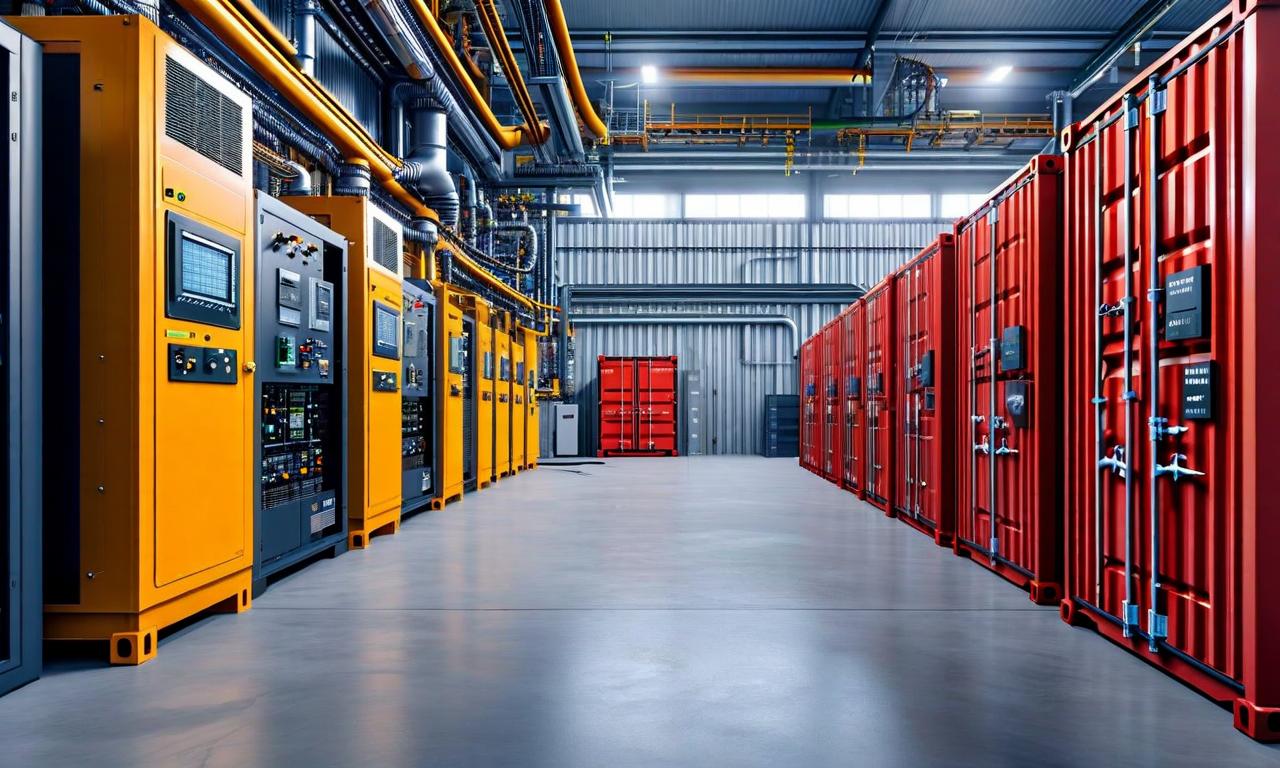

*this image is generated using AI for illustrative purposes only.
The Indian Government is considering new regulations that would require at least 50% local content for key components used in Battery Energy Storage Systems (BESS), according to reports from Mint. This proposed mandate represents a significant policy shift aimed at boosting domestic manufacturing in the energy storage sector.
Components Covered Under Proposed Mandate
The local content requirement would apply to several critical BESS components, creating opportunities for domestic manufacturers across multiple segments:
| Component Category | Coverage Status |
|---|---|
| Battery Management Systems | Included |
| Energy Management Systems | Included |
| Containers | Included |
| Inverters | Included |
| Battery Cells | Excluded |
Policy Implications for Energy Sector
The proposed 50% local content mandate signals the government's commitment to developing indigenous capabilities in energy storage technology. Battery Energy Storage Systems play a crucial role in grid stability, renewable energy integration, and power backup solutions across various applications.
By excluding battery cells from the mandate while including other components, the policy appears to recognize the current manufacturing landscape and technological capabilities within India. The inclusion of battery management systems, energy management systems, containers, and inverters suggests these components are viewed as areas where domestic manufacturing can be effectively developed and scaled.
Manufacturing and Industry Impact
This potential mandate could significantly influence investment patterns and manufacturing strategies in the energy storage sector. Companies operating in the BESS space may need to reassess their supply chains and consider partnerships with domestic manufacturers to meet the proposed local content requirements.
The policy framework, if implemented, would likely encourage technology transfer, skill development, and capacity building in the energy storage component manufacturing ecosystem. It aligns with broader government initiatives to promote self-reliance in critical technology sectors while supporting the growth of renewable energy infrastructure.
 20
20















 Access Market Heat-map & Insights
  Create, Save & Share your Screener
  Use 200+ Screening Filters





