Gig Workers Union Chief Calls 10-Minute Delivery Ban a Victory Following Holiday Strikes

2 min read     Updated on 13 Jan 2026, 05:56 PM
scanx
Reviewed by
Shriram SScanX News Team
Overview

Sheikh Salauddin, representing major gig worker unions, celebrated the labour ministry's ban on 10-minute delivery services as a victory resulting from Christmas and New Year's Eve strikes. The union leader dismissed job creation concerns, arguing government responsibility for employment while actively consulting workers on new social security eligibility requirements under draft Social Security Code 2020 rules.

29852771

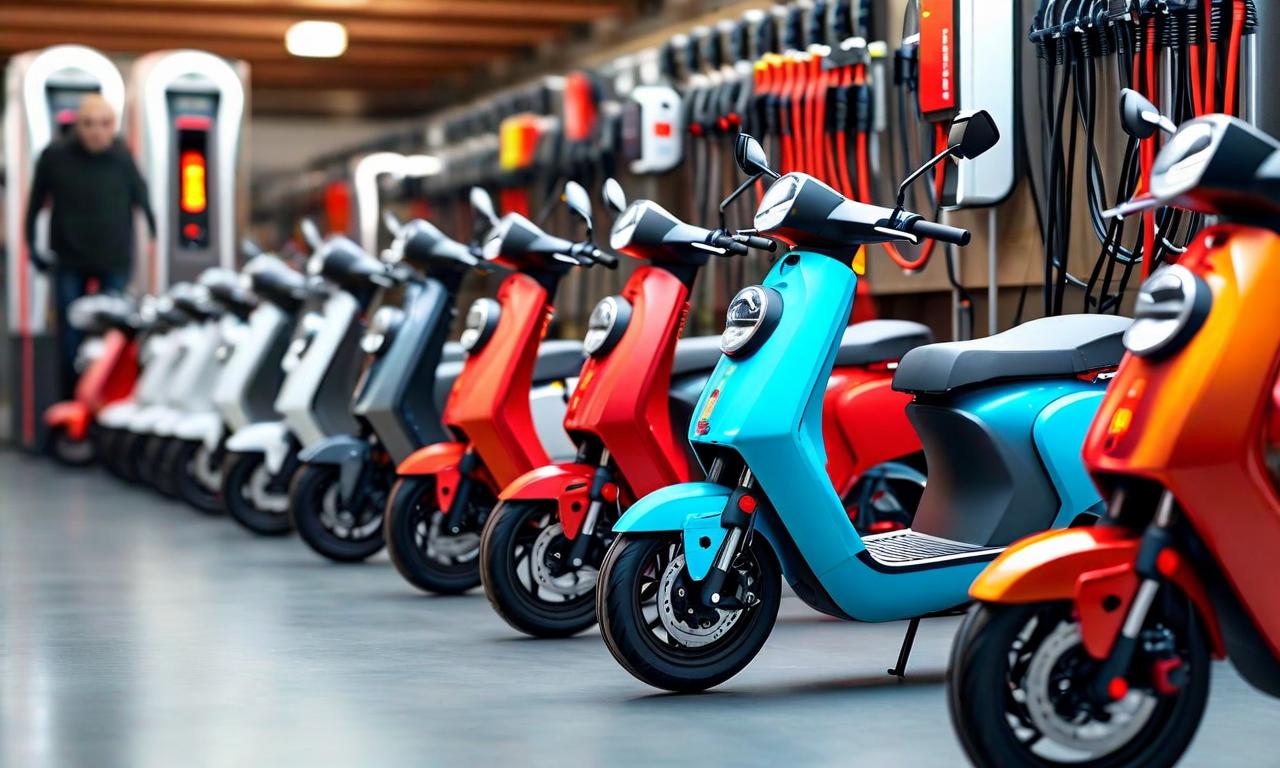
*this image is generated using AI for illustrative purposes only.

The labour ministry's recent directive to ban the 10-minute delivery feature for quick-commerce companies has been hailed as a significant victory by gig worker unions. Sheikh Salauddin, general secretary of Indian Federation of App-Based Transport Workers and founder-president of Telangana Gig and Platform Workers Union, credited the success to coordinated strikes during Christmas and New Year's Eve that highlighted unfavorable working conditions faced by platform workers.

Union Leadership Response

"This shows the strength of the workers and the workers' voice," Salauddin stated, emphasizing the effectiveness of organized labor action. He expressed gratitude to the labour minister for acknowledging worker concerns and taking decisive action. Both organizations played crucial roles in organizing and executing the holiday strikes that brought attention to delivery workers' safety and working condition issues.

Social Security Consultation Process

The union leadership is actively engaging with workers regarding the ministry's latest policy proposals. Salauddin revealed that unions are conducting extensive consultations with platform workers about the proposed 90-day annual work threshold as mandatory eligibility criteria for accessing social security benefits. This initiative falls under the new draft rules on Social Security Code 2020, published on December 31.

Policy Area Details
Eligibility Criteria 90-day annual work threshold
Coverage Social security for gig and platform workers
Legal Framework Social Security Code 2020 draft rules
Publication Date December 31

"As soon as we have the inputs, we'll update it on all the electronic and print media," Salauddin confirmed, highlighting the transparent approach to worker consultation.

Job Creation Debate

Addressing concerns that the ministry's directive might negatively impact employment opportunities, Salauddin firmly rejected such claims. He argued that primary responsibility for job creation lies with the government rather than private platform companies. "Who is the job creator? The government is the job creator, the responsibility should be for the government," he stated, questioning the role of individual company executives in national employment policy.

The union leader further argued that the 10-minute delivery model does not constitute healthy market competition, suggesting that quick-commerce firms should focus on offering customer discounts rather than prioritizing ultra-fast delivery timeframes that potentially compromise worker safety.

Consumer and Social Responsibility

Salauddin noted growing consumer awareness regarding gig worker welfare, with customers increasingly calling for improved safety and security measures for delivery personnel. This shift in consumer sentiment supports the union's position that sustainable business practices should prioritize worker welfare alongside service efficiency.

The successful holiday strikes and subsequent policy changes demonstrate the growing influence of organized gig worker movements in shaping platform economy regulations and working conditions across India's rapidly expanding quick-commerce sector.

like19
dislike

Reality Check: Gig Worker Strike Shows Mixed Impact Across Indian Cities

2 min read     Updated on 31 Dec 2025, 08:19 AM

scanx
Reviewed by
Radhika SScanX News Team
Overview

The nationwide gig worker strike called by 1.7 lakh delivery partners shows varied impact across Indian cities, with some areas experiencing service delays while others maintain normal operations, revealing mixed participation levels in the protest against major delivery platforms.

28694950

*this image is generated using AI for illustrative purposes only.

A nationwide strike by gig workers commenced across India on December 31, with over 1.7 lakh delivery partners called to participate in coordinated protests against major platforms including Zomato, Swiggy, Zepto, and Amazon. However, on-ground reports reveal a mixed response, with services continuing in most areas while experiencing sporadic delays and reduced availability.

On-Ground Reality: Mixed Participation Across Cities

Consumer experiences vary significantly across different cities and platforms. In Mumbai, residents report partial disruptions with some services unavailable while others continue operating. Ali was unable to purchase groceries from Swiggy Instamart, but Zepto Cafe successfully delivered food orders. Similarly, Abhishek received his Mac and Cheese order for colleagues, though delivery took longer than usual.

City Experience: Service Status Notable Changes
Mumbai: Partial disruption Mixed service availability
Hyderabad: Visible impact Fewer delivery partners on streets
Greater Noida: Delayed matching Orders possible but longer wait times
Delhi NCR: Smooth operations Blinkit running normally (9-12 min delivery)
Bengaluru/Pune: No disruptions Normal service levels

In Hyderabad, residents noted visible changes on the streets. Swathi Prabhu from Hi-Tech City observed fewer delivery partners than usual, making the city feel calmer despite typically experiencing peak delivery traffic on New Year's Eve. However, Miral from another part of the city reported normal delivery operations in her area.

Platform Operations and Service Continuity

Blinkit operations are running smoothly across Delhi, Noida, Greater Noida, Greater Noida West, Gurugram, and Faridabad, with delivery times averaging 9-12 minutes according to NCR resident Daanish Anand. No significant disruptions were noted in Bengaluru, Pune, and large parts of Mumbai.

Platform Performance: Service Areas Average Delivery Time
Blinkit: Delhi NCR region 9-12 minutes
Zomato: Most cities Delayed partner matching
Swiggy Instamart: Mumbai (partial) Service interruptions
Zepto: Mumbai Normal operations

In Greater Noida, the experience appears more nuanced. Ankita, a 31-year-old resident, noted that while orders can still be placed on Blinkit and Zomato, the process of finalizing a delivery partner is taking significantly longer than usual.

Strike Background and Worker Demands

The Indian Federation of App-Based Transport Workers (IFAT) and Telangana Gig and Platform Workers' Union (TGPWU) jointly organized this second strike, following an earlier December 25 protest. The action represents ongoing demands for legal recognition of platform workers as 'workers' under labour laws rather than 'partners'.

Key Demands: Specific Requirements
Legal Recognition: Worker status under labour laws
Algorithm Changes: Stop arbitrary ID blocking and penalties
Working Conditions: Abolish peak-hour pressure and slot systems
Financial Protection: Cap platform deductions at 20%
Support Systems: Replace AI with 24/7 human grievance redressal

Workers continue to highlight concerns about ultra-fast delivery models, compensation for customer cancellations, and the removal of punitive performance metrics that impact their earnings and working conditions.

Previous Platform Responses

Prior to the strike, major delivery platforms had announced enhanced incentive packages. Zomato issued internal communications assuring no operational issues while advertising potential earnings of up to ₹3,000.00 for the day. Swiggy and Zomato had previously offered peak-hour payouts reaching up to ₹105.00 per order during prime evening hours, compared to typical earnings of around ₹25.00 per order.

like18
dislike
Explore Other Articles