

DoT Unveils Draft Rules for Main Telecom Services Under New Authorization Regime


The Department of Telecommunications (DoT) has released draft rules for main telecommunication services under a new authorization regime, as per the Telecom Act 2023. The regime offers voluntary adoption, covers unified, access, internet, and long-distance services, with 20-year validity. It mandates security measures including lawful interception and specific regulations for satellite services. Existing licensees must migrate all licenses when seeking new authorization.

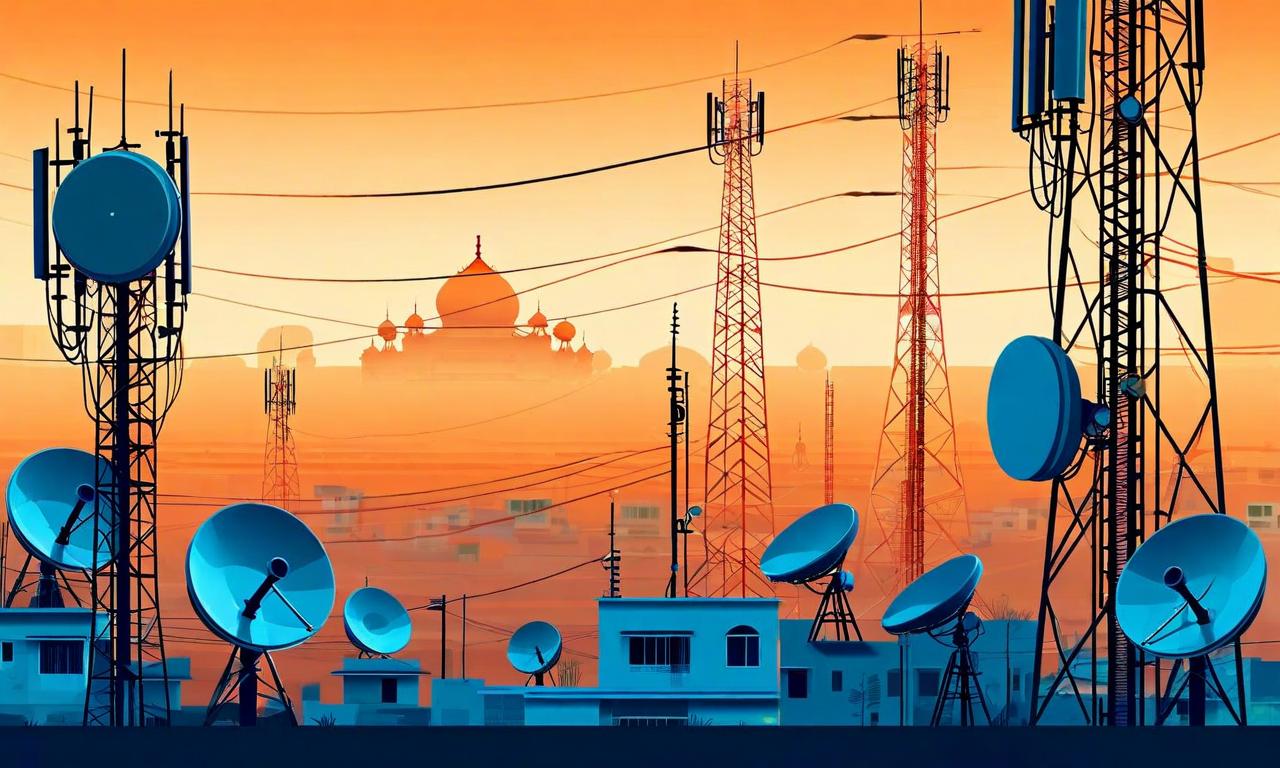

*this image is generated using AI for illustrative purposes only.
The Department of Telecommunications (DoT) has taken a significant step in reshaping India's telecom landscape by issuing draft rules for main telecommunication services under the new authorization regime, as outlined in the Telecom Act 2023. This move marks a pivotal shift in the regulatory framework governing the telecom sector.
Key Features of the New Authorization Regime
Voluntary Adoption: The new regime offers telecom companies the flexibility to choose between the authorization system or continue with existing licensing arrangements.
Scope of Services: Main telecommunication services covered under the new rules include:
- Unified service
- Access service
- Internet service
- Long-distance service
Authorization Validity: Authorizations granted under the new regime will be valid for a period of 20 years.
Migration Process
Existing licensees looking to transition to the new system must apply for migration of all their licenses when seeking authorization under the new regime.
Security Measures
The DoT has placed a strong emphasis on security in the new draft rules:
Lawful Interception: Telecom companies are mandated to implement lawful interception systems integrated with government monitoring systems.
Satellite Services Regulations: For satellite-based services, the rules impose specific requirements:
- All traffic from Indian user terminals must be routed through authorized earth station gateways located within India.
- Restrictions are placed on routing traffic through foreign gateways.
- Direct satellite communication between terminals is prohibited.
Implications for the Telecom Industry
The introduction of these draft rules signifies a major shift in India's telecom regulatory landscape. By offering a voluntary authorization regime alongside the existing licensing system, the DoT aims to provide telecom operators with greater flexibility while ensuring robust security measures.
The 20-year validity period for authorizations under the new regime could potentially offer long-term stability for telecom companies, allowing for more strategic planning and investment.
However, the stringent security requirements, particularly for satellite-based services, may pose new challenges for operators in terms of compliance and infrastructure setup.
As these are draft rules, stakeholders in the telecom industry will likely engage in consultations with the DoT before the final implementation of the new authorization regime. The outcome of this process will shape the future of India's telecom sector, balancing innovation, competition, and national security considerations.
 15
15





 Access 50+ Readymade Screeners
  Use 200+ Custom Filters
  Get Full Market Insights





