
 NewsDCB Bank Sets Ambitious Goals: Balance Sheet to Double in 3-3.5 Years, Projects 18-20% Advances Growth
DCB Bank Sets Ambitious Goals: Balance Sheet to Double in 3-3.5 Years, Projects 18-20% Advances Growth


DCB Bank has announced plans to double its balance sheet within 3 to 3.5 years, projecting 18-20% advances growth with a focus on the MSME segment. The bank aims to improve profitability through granular secured loans and a low credit cost model. In partnership with Credilio, DCB Bank has launched the Novio Secured Credit Card, a RuPay card targeting India's new-to-credit population. The card is UPI-integrated, backed by a fixed deposit, and aims to reach 5 million users in three years.


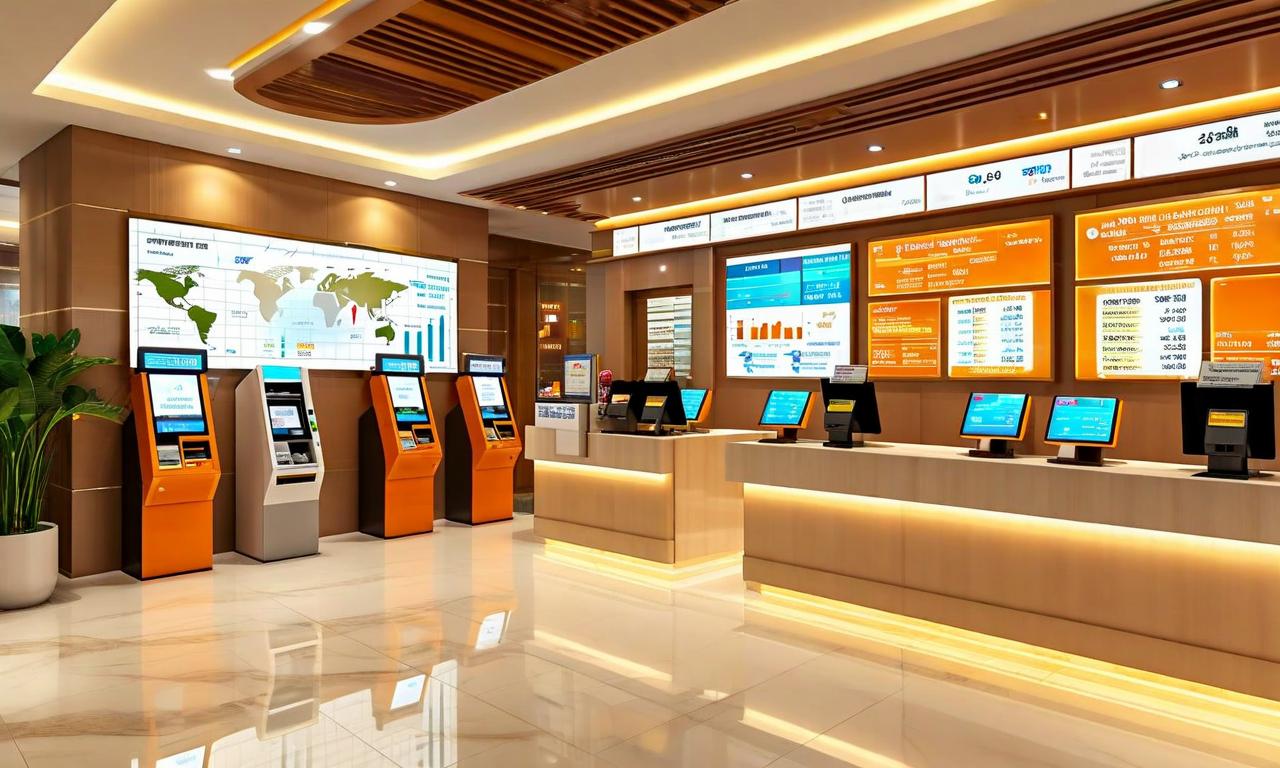
*this image is generated using AI for illustrative purposes only.
DCB Bank , a private sector lender, has unveiled an ambitious growth strategy aimed at significantly expanding its financial footprint. The bank's Co-Managing Director has announced plans to double the institution's balance sheet within a timeframe of 3 to 3.5 years.
Growth Strategy
DCB Bank has projected sustained advances growth of 18-20% while strengthening its focus on the MSME segment. The bank plans to improve profitability through granular secured loans and a low credit cost model. This announcement signals a bold move by DCB Bank to accelerate its growth in the competitive banking sector. While specific details of how this growth will be achieved were not fully provided, such a target typically involves a combination of strategies:
- Expanding the loan book
- Increasing deposits
- Potentially exploring new market segments or geographical areas
- Possible mergers or acquisitions
Implications for Stakeholders
This aggressive growth target could have several implications:
| Stakeholder | Potential Impact |
|---|---|
| Investors | May see this as a positive sign for future returns, but should also consider associated risks |
| Customers | Could potentially benefit from expanded services and products |
| Competitors | Might face increased competition in various banking segments |
| Regulators | Will likely monitor the bank's growth closely to ensure stability and compliance |
Market Context
It's important to note that this growth target is being set against the backdrop of a dynamic and challenging banking environment in India. Factors such as economic conditions, regulatory changes, and technological disruptions could all play a role in the bank's ability to achieve this goal.
New Product Launch: Novio Secured Credit Card
As part of its growth strategy, DCB Bank has partnered with fintech firm Credilio to launch the Novio Secured Credit Card. This RuPay card is designed to target India's new-to-credit population, integrating with UPI and backed by a fixed deposit. The card aims to provide access to formal credit for individuals without prior credit history.
Key features of the Novio Secured Credit Card include:
- UPI integration
- Backed by a fixed deposit
- Targets a potential user base of around 300 million, including middle-to-upper middle income individuals across metros and smaller cities
- Connects with the Novio App for applications, fixed deposit booking via UPI, and immediate transactions
- Offers rewards, lifestyle benefits, instant reward redemption, and digital account management
During the beta phase, Credilio issued over 50,000 secured credit cards and aims to reach 5 million cards over the next three years.
Cautionary Note
While the bank's leadership expresses confidence in this growth plan, it's crucial to remember that forward-looking statements and plans are subject to various risks and uncertainties. The actual results may differ materially from the stated objectives due to factors beyond the bank's control.
Investors and other stakeholders should keep a close eye on DCB Bank's quarterly results and other announcements in the coming years to track progress towards these ambitious targets.
Historical Stock Returns for DCB Bank
| 1 Day | 5 Days | 1 Month | 6 Months | 1 Year | 5 Years |
|---|---|---|---|---|---|
| -0.48% | +6.72% | -5.46% | +11.20% | +61.71% | 0.0% |
 19
19











 Create Custom Screeners
  Access 200+ Pre-built Filters
  Use 50+ Readymade Screener





