
Budget 2026 Expected to Accelerate Infrastructure-Led Growth Through Enhanced Logistics Investment
YCH India's Country General Manager Jossy Sebastian expects Budget 2026 to catalyse infrastructure-led growth through enhanced logistics investments, particularly in port connectivity and freight corridors. He emphasises the need for multimodal connectivity, digital platform support, and regulatory simplification to improve efficiency and global competitiveness. Sebastian highlights that strategic budget allocation can create jobs, reduce logistics costs, and strengthen India's position as a manufacturing and supply chain hub.

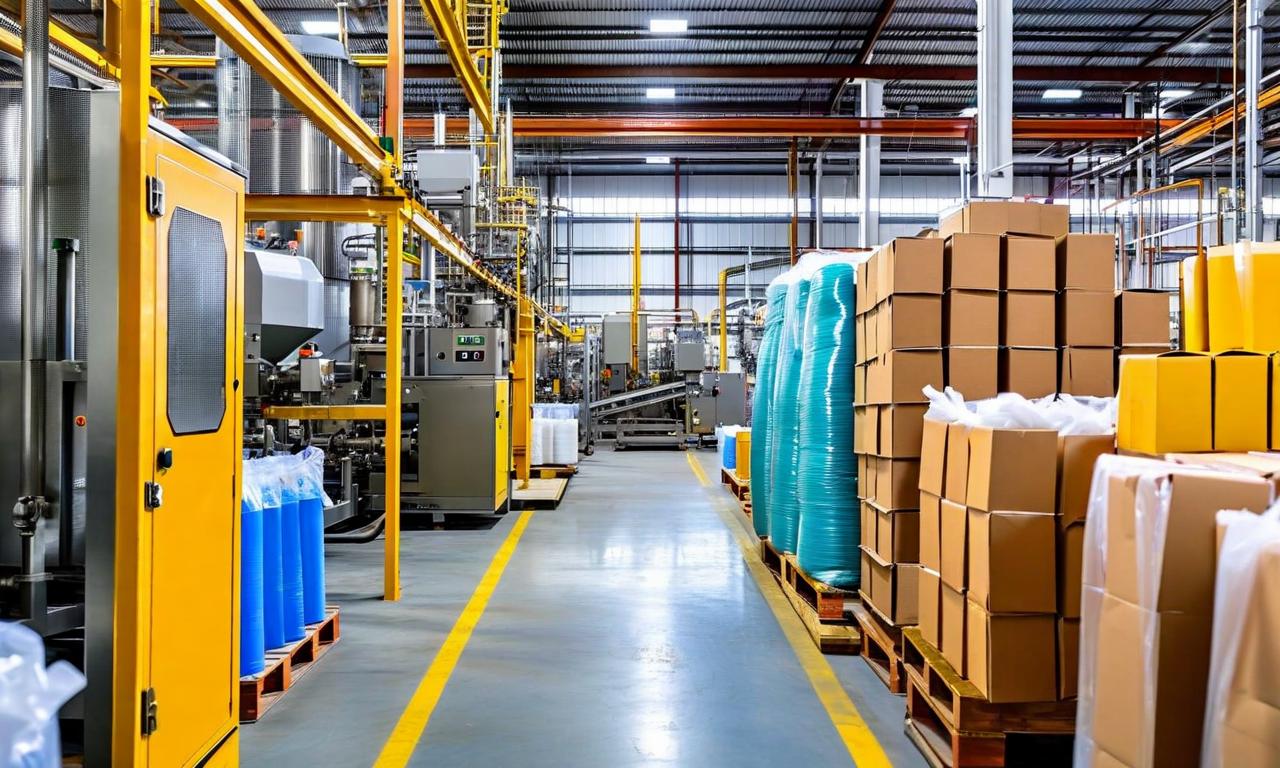
*this image is generated using AI for illustrative purposes only.
Jossy Sebastian, Country General Manager for YCH India, believes Budget 2026 presents a significant opportunity to accelerate India's infrastructure-led growth strategy through targeted logistics investments. Speaking in an interview with Mint, Sebastian emphasised that as supply chains become increasingly central to manufacturing, exports, and consumption, strategic budget allocation can improve operational efficiency, create employment opportunities, and enhance India's global competitiveness.
Infrastructure Investment Priorities
Sebastian outlined several key areas where Budget 2026 can make a transformative impact on logistics infrastructure. He advocates for scaling up investment in port connectivity, dedicated freight corridors, and export-oriented logistics parks positioned near production clusters. The logistics executive stressed that strengthening cold chain infrastructure and specialised warehousing facilities is particularly critical for sectors including electronics, pharmaceuticals, and agricultural exports.
| Priority Area | Focus |
|---|---|
| Port Connectivity | Enhanced infrastructure linking ports to production centers |
| Freight Corridors | Dedicated transportation networks for efficient cargo movement |
| Logistics Parks | Export-oriented facilities near manufacturing clusters |
| Cold Chain | Specialised infrastructure for temperature-sensitive goods |
| Warehousing | Advanced storage solutions for electronics, pharma, and agri-exports |
Digital Transformation and Process Simplification
The YCH India executive highlighted the importance of customs procedure simplification through deeper digitisation and risk-based inspections to reduce dwell times and improve turnaround efficiency at borders. Sebastian noted that continued government support for interest-free loans to states can help accelerate last-mile infrastructure development around industrial zones and ports, creating a more integrated logistics ecosystem.
Sector Expectations from Budget 2026
The logistics and supply chain sector anticipates a budget that builds on recent momentum and elevates infrastructure-led growth to the next level. Key expectations include a meaningful increase in overall infrastructure allocation with strong focus on multimodal connectivity, urban logistics, and comprehensive warehousing ecosystems.
| Expectation Category | Specific Areas |
|---|---|
| Infrastructure Allocation | Increased budget for multimodal connectivity |
| Digital Platforms | Support for logistics technology solutions |
| Sustainability | Green supply chain initiatives |
| Human Resources | Skill development programmes |
| Financing | Improved access to infrastructure funding |
| Private Participation | Policies encouraging private sector involvement |
Technology-Enabled Logistics Networks
Sebastian emphasised that India's logistics transformation will accelerate through stronger alignment between infrastructure creation and digital enablement. While continued investment in highways, rail freight corridors, ports, and inland waterways remains essential, he believes the next significant advancement will emerge from seamlessly connecting these assets through technology. Policy support for multimodal logistics parks, standardised digital documentation, and interoperable platforms such as the Unified Logistics Interface Platform can significantly reduce operational friction across warehousing, freight, and last-mile delivery.
Cost Efficiency and Global Competitiveness
Addressing rising logistics costs, Sebastian outlined several fiscal and regulatory interventions that could improve cost efficiency for Indian supply chain players. These include rationalising fuel taxes, offering incentives for energy-efficient fleets, and expanding access to green financing to manage long-term operating costs. On the regulatory front, he advocates for faster clearances, harmonised state-level compliances, and wider adoption of single-window digital systems to significantly reduce delays and indirect expenses.
Sebastian concluded that as India aims to compete globally, improving logistics efficiency will be equally important as manufacturing competitiveness, particularly for time-sensitive and export-oriented industries. A focused approach to cross-border logistics efficiency will not only support exporters but also enhance India's credibility as a long-term manufacturing and supply chain hub.


