

BigBasket Implements Location-Specific Pricing Strategy to Optimize Dark Store Economics


BigBasket has introduced location-specific pricing where dark stores offer varying discounts based on performance metrics. The company transformed its network into larger IBBN stores (20,000 sq. ft., 40,000-50,000 SKUs) classified as Unnati (500 daily orders) or Pragati (1,200 daily orders). Underperforming stores use steep discounts to boost volumes, creating price disparities like tomatoes costing ₹29.00 in Whitefield versus ₹58.00 in Indiranagar. This strategy addresses unit economics challenges in a sector where delivery costs represent 45% of expenses, amid intense competition and significant funding activity including Zepto's $1.4 billion raise.


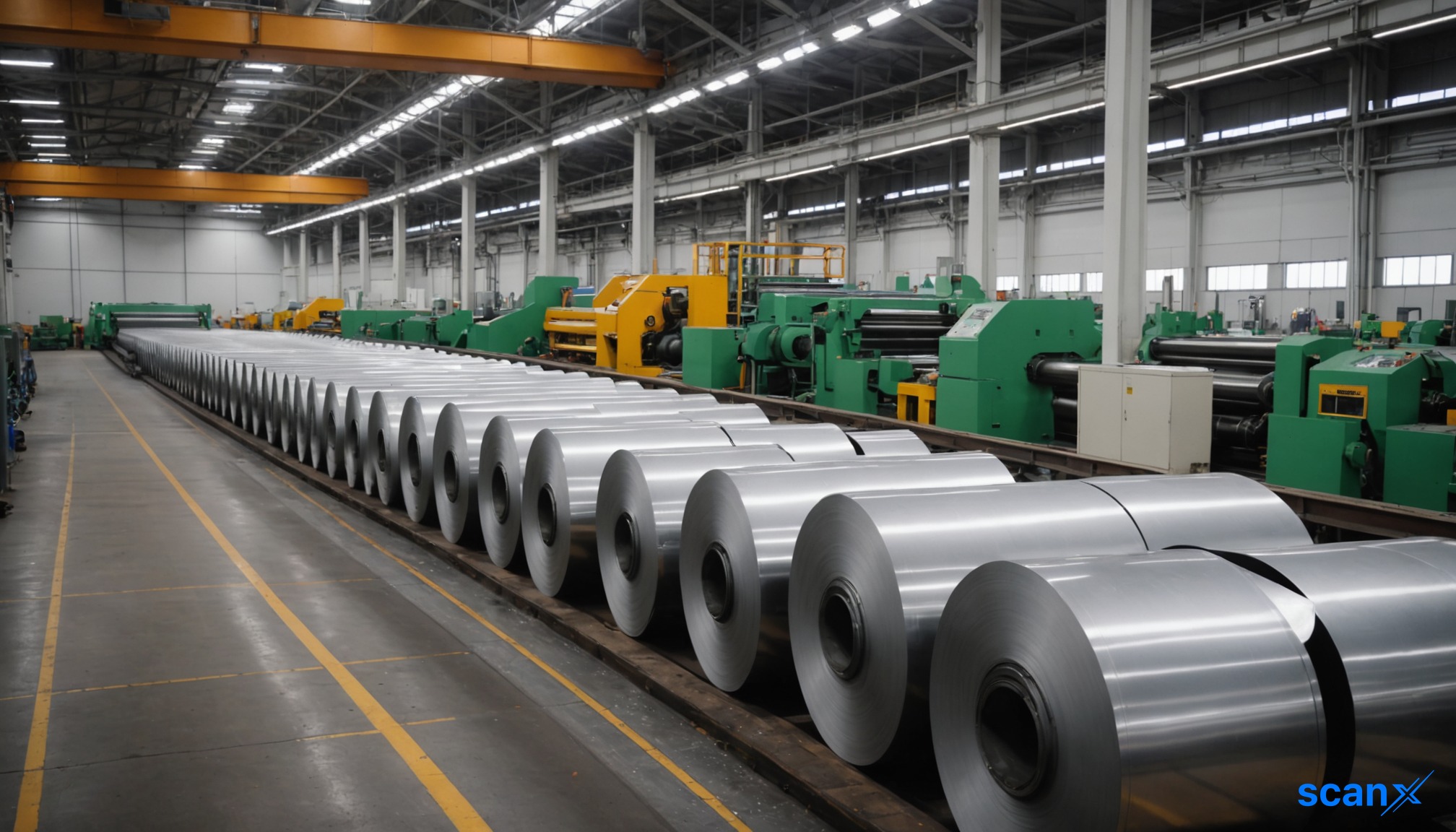
*this image is generated using AI for illustrative purposes only.
Tata Group-owned BigBasket has implemented a location-specific pricing strategy to address the economics of its dark store network, offering varying discounts based on individual store performance. Under this model, dark stores with lower order volumes provide steeper discounts to stimulate demand, while high-performing locations reduce promotional offers for identical products and quantities.
IBBN Store Format and Expansion
BigBasket began transforming its dark store network into IBBN (Integrated Big Basket Now) stores approximately one year ago. According to sources with direct knowledge of the initiative, these enhanced facilities represent a significant upgrade from traditional dark stores. The IBBN format was initially launched as a pilot project in select cities before expanding nationally following demonstrated success.
| Store Format Comparison: | BigBasket IBBN | Swiggy Instamart | Blinkit |
|---|---|---|---|
| Store Size: | ~20,000 sq. ft. | ~4,200 sq. ft. | 3,100-3,500 sq. ft. |
| SKU Count: | 40,000-50,000 | Not specified | Not specified |
This expansion reflects BigBasket's complete pivot to quick commerce, integrating its traditional scheduled delivery model with rapid fulfillment capabilities to compete with players like Swiggy, Blinkit, and Zepto.
Store Classification and Performance Metrics
IBBN stores operate under a two-tier classification system designed to optimize performance and profitability. The categorization directly influences pricing strategies and discount structures across the network.
| Store Category: | Daily Orders | Status | Target |
|---|---|---|---|
| Unnati ("Growing"): | ~500 orders | Below breakeven | 1,500 orders for profitability |
| Pragati ("Progress"): | ~1,200 orders | Profitable | Maintain performance |
In Bengaluru specifically, the network comprises 26 Unnati stores and 14 Pragati stores. The company's strategic objective focuses on converting underperforming Unnati locations into profitable Pragati stores through targeted interventions.
Pricing Disparities and Market Examples
The location-based pricing strategy creates notable price variations across different areas. Analysis of BigBasket's platform reveals significant disparities for identical products based on store performance and location.
| Product Example: | Indiranagar (Central) | Whitefield (Eastern) | Price Difference |
|---|---|---|---|
| Local Tomatoes (1kg): | ₹58.00 | ₹29.00 | 50% lower |
| Fresho Eggs (dozen): | ₹64.00 | ₹126.00 | 97% higher |
These pricing variations reflect the strategic use of deep discounting to encourage higher order volumes from underperforming locations, while profitable stores maintain standard pricing structures.
Industry Economics and Cost Structure
Quick commerce operations face significant cost pressures that influence pricing strategies. Industry analysis reveals delivery costs account for approximately 45% of total expenses, with each delivery costing around ₹50.00. Staff salaries, including pickers, packers, and warehouse logistics workers, constitute another 30% of operational expenses.
Satish Meena, founder of Datum Intelligence, emphasized the importance of store-level profitability: "If you are running a chain, each store has to be profitable on its own. You can't keep running a dark store in a locality for 12 months if it's not profitable."
Competitive Landscape and Funding Activity
The quick commerce sector has witnessed substantial funding activity over the past 10 months, supporting aggressive expansion strategies across major players.
| Company: | Recent Funding/Investment | Expansion Plans |
|---|---|---|
| Zepto: | $1.4 billion raised | ₹11,000 crore IPO planned for 2026 |
| Swiggy: | ₹10,000 crore QIP for Instamart | Network expansion |
| Zomato: | ₹8,500 crore capital raise | Blinkit dark store expansion |
| Flipkart Minutes: | Not specified | 500+ to 1,000 stores by March-April 2026 |
Competition continues intensifying with Amazon's 10-minute delivery service targeting 300 micro-fulfillment centers and JioMart operating across 5,000 pin codes with over 3,000 stores in 1,000+ cities. This competitive environment reinforces the importance of optimized unit economics and strategic pricing approaches like BigBasket's location-specific discount model.
 18
18





 Create Custom Screeners
  Access 200+ Pre-built Filters
  Use 50+ Readymade Screener





