

Bharat Taxi Set for Official Launch by January-End Following Successful Pilot Run in Delhi


Bharat Taxi, the cooperatives-backed ride-hailing service, will officially launch in Delhi and other cities by January-end after a successful pilot run starting December 2, 2024. The platform has recorded 5,500 daily rides with over 1.4 lakh registered drivers, operating on a zero-commission model that allows drivers to retain full earnings. Promoted by eight leading cooperative organizations including Amul and IFFCO, the service offers comprehensive features and safety integration with Delhi Police.

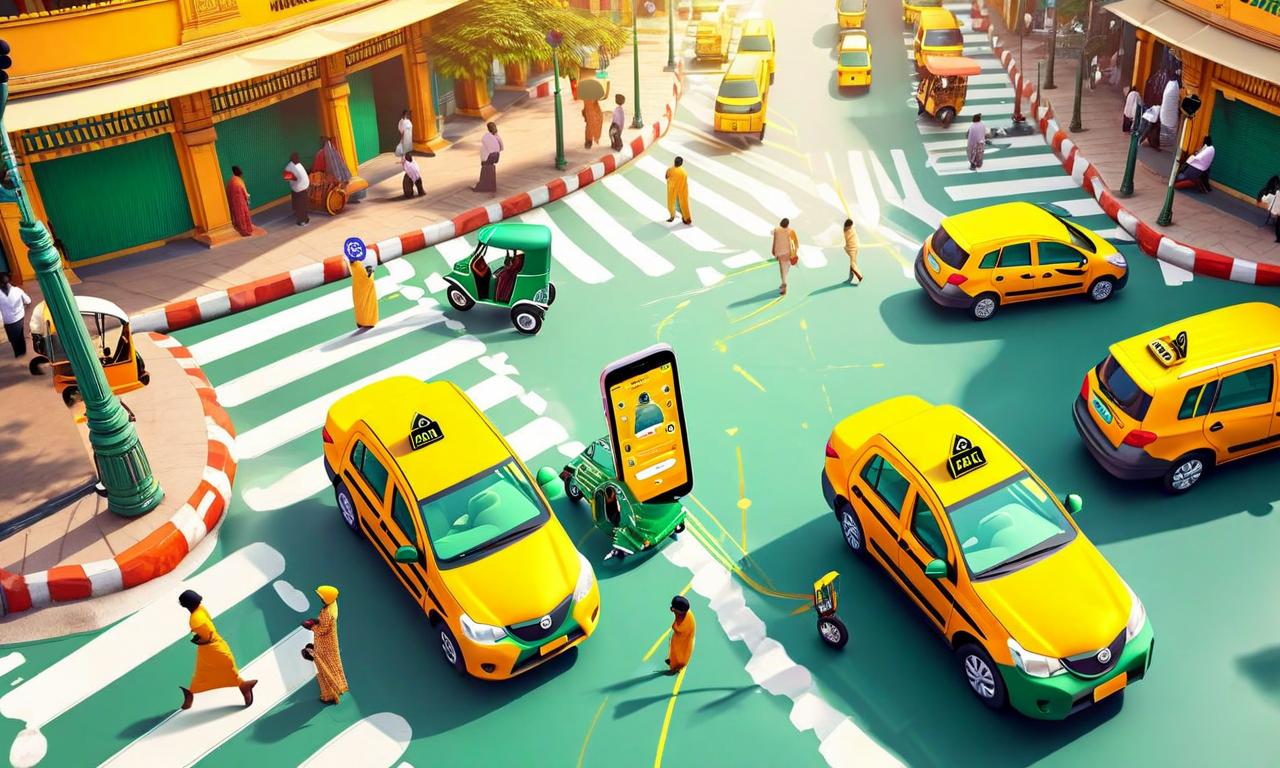

*this image is generated using AI for illustrative purposes only.
The cooperatives-backed ride-hailing service Bharat Taxi is set for its official launch in Delhi and other cities by the end of January, following strong performance during its pilot phase. The digital platform, operated by Sahakar Taxi Cooperative Ltd, was introduced in the capital on December 2, 2024, and has received an encouraging response from users and drivers alike.
Strong Performance Metrics During Pilot Phase
According to Panjak Kumar Bansal, Additional Secretary in the Cooperation Ministry, the service has demonstrated impressive operational metrics since its soft launch. The platform has been recording consistent daily performance across multiple service categories.
| Performance Metric: | Daily Numbers |
|---|---|
| Total Daily Rides: | 5,500 |
| Airport Rides: | 4,000 |
| Other Location Rides: | 1,500 |
| Registered Drivers: | Over 1.4 lakh |
The service operates across cab, auto, and bike categories, providing comprehensive transportation options for users across Delhi.
Cooperative Structure and Leadership
Sahakar Taxi Cooperative Ltd is backed by eight prominent cooperative organizations, creating a strong foundation for the venture. The cooperative structure ensures driver representation at the governance level.
| Promoting Organizations: | Details |
|---|---|
| Gujarat Co-operative Milk Marketing Federation: | Amul |
| Financial Cooperatives: | IFFCO, KRIBHCO |
| Agricultural Bodies: | NAFED, NDDB |
| Development Organizations: | NCEL, NCDC, NABARD |
| Driver Representation: | Two elected representatives on board |
Zero-Commission Model and Driver Benefits
The platform operates on a distinctive zero-commission model that sets it apart from traditional ride-hailing services. This approach allows drivers to retain their complete earnings from each ride, with cooperative profits being distributed directly among the driver community. The initiative was announced by Union Home and Cooperation Minister Amit Shah in Parliament in March 2024, with the primary objective of reducing commercial vehicle drivers' dependence on private companies.
Advanced Features and Safety Integration
Bharat Taxi offers comprehensive features designed to enhance user experience and operational transparency. The app includes mobile ride booking capabilities, transparent fare structures, real-time vehicle tracking, multi-lingual support, and round-the-clock customer service. The platform has been integrated with transit services such as Metro rail, enabling users to book multiple modes of transportation through a single application. Additionally, a partnership with Delhi Police has been established to ensure safety measures for both riders and drivers.
Market Expansion Plans
With the successful completion of the pilot phase in Delhi, the service is preparing for its official launch across multiple cities by January-end. The strong response during the soft launch phase, combined with the robust driver registration numbers, positions Bharat Taxi as a significant player in India's ride-hailing market, offering an alternative cooperative-based model to existing private platforms.
 20
20






 Create Custom Screeners
  Access 200+ Pre-built Filters
  Use 50+ Readymade Screener





