NewsStocksAssocham seeks incentives for hydrogen-based steelmaking, green finance in FY27 Budget
Assocham seeks incentives for hydrogen-based steelmaking, green finance in FY27 Budget


Assocham has submitted comprehensive pre-Budget recommendations for FY27, urging government support for hydrogen-based steel production, green finance, and sustainable manufacturing initiatives. Despite India's position as the world's second-largest steel producer with 8-9% growth, the sector faces challenges from high raw material costs, import dependence, and supply constraints. The industry body views the upcoming Budget as crucial for positioning India as a global steel manufacturing hub under 'Make in India'.
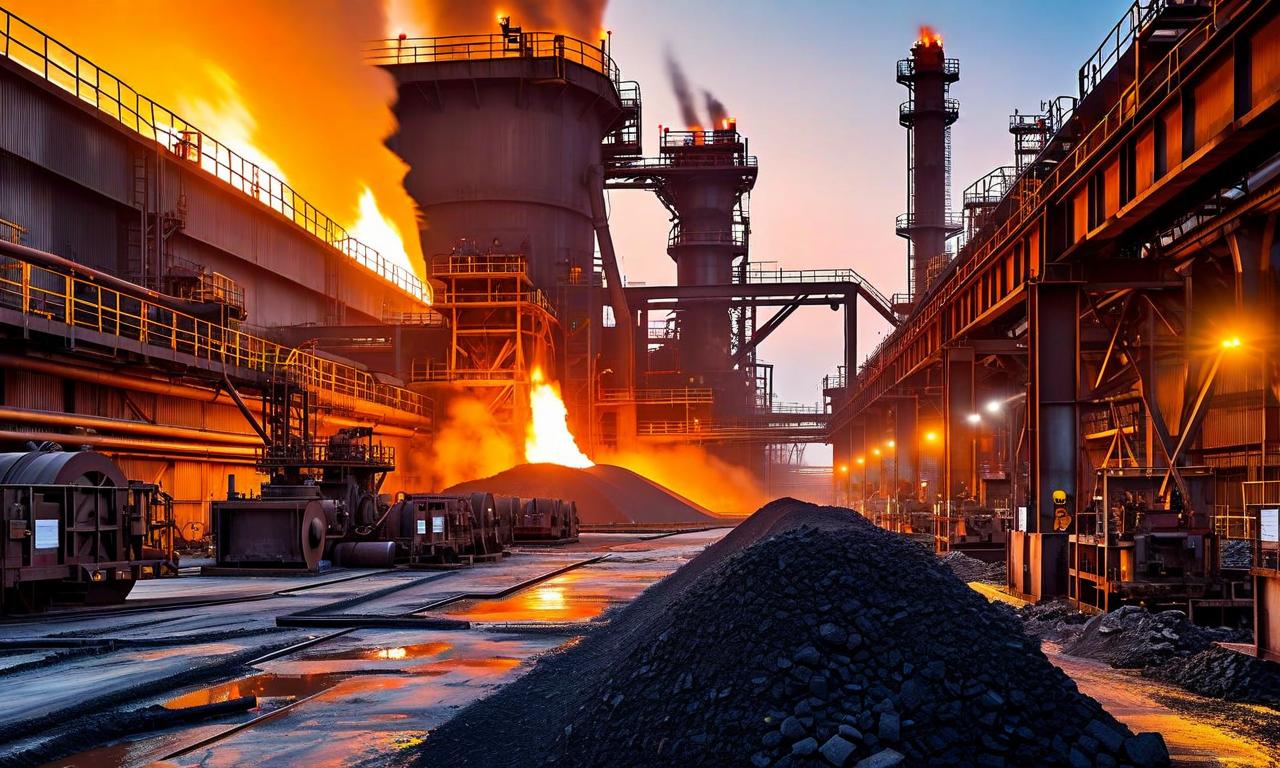
*this image is generated using AI for illustrative purposes only.
Industry body Assocham has urged the government to provide comprehensive support for the steel sector's green transition in the upcoming Union Budget for Financial Year 2026-27. The chamber's pre-Budget recommendations focus on incentives for hydrogen-based direct reduced iron (DRI) production and concessional green finance to facilitate the industry's shift toward sustainable manufacturing practices.
Key Recommendations for Green Steel Production
Assocham's recommendations encompass multiple aspects of sustainable steel production:
| Initiative | Focus Area |
|---|---|
| Hydrogen-based DRI | Low-carbon steel production |
| Green Finance | Concessional funding support |
| Waste-heat Recovery | Emission reduction systems |
| Renewable Power Plants | Captive clean energy generation |
| Scrap Recycling | Domestic infrastructure strengthening |
The industry body emphasized that decarbonisation presents both challenges and competitive opportunities, asserting that these measures can accelerate sustainable production across the sector.
Industry Challenges and Growth Context
Despite India's position as the world's second-largest steel producer after China and maintaining healthy growth rates of 8-9%, the sector confronts significant operational challenges. Key pain points identified by Assocham include:
- Elevated input costs for key raw materials
- Currency pressure from a depreciating rupee
- Import dependence on coking coal due to negligible domestic mineable reserves
- Supply constraints from stagnant iron ore production
- Delayed production from many auctioned mines yet to commence operations
The chamber noted that growing steel demand combined with continued iron ore exports is creating supply pressure, resulting in high costs for domestic mills.
Strategic Manufacturing Vision
Assocham views the upcoming Union Budget as a vital opportunity to position India as a global manufacturing hub for steel and value-added products under the 'Make in India' initiative. To achieve this vision, the body has outlined specific policy measures:
| Policy Area | Recommended Action |
|---|---|
| Iron Ore Processing | Promote beneficiation activities |
| Import Policy | Remove duties on critical raw materials |
| Taxation | Rationalize royalty calculations |
| Research & Development | Incentivize steel recycling innovation |
| Technology | Support process digitization |
Focus on Innovation and Self-Reliance
The chamber emphasized that incentivizing research and development in steel recycling, alloy innovation, and process digitization will enhance productivity while reducing dependence on specialty steel imports. Strengthening domestic recycling infrastructure through skilling initiatives is essential to reduce the country's reliance on imported materials.
Finance Minister Nirmala Sitharaman is expected to present the Union Budget for Financial Year 2026-27 in Parliament on February 1, 2025, providing the government an opportunity to address these industry recommendations and support the steel sector's sustainable transformation.
 18
18