

Anthropic sets up physical biology lab to test AI drug discovery ideas


- Anthropic builds a wet lab in the San Francisco Bay Area for hands-on biology experiments
- The facility tests AI-generated ideas for rare disease treatments without clinical trials
- Company partners with Roche, Bristol Myers Squibb, and Novo Nordisk on AI applications
- Hiring focuses on lab automation and procurement to scale operational capabilities

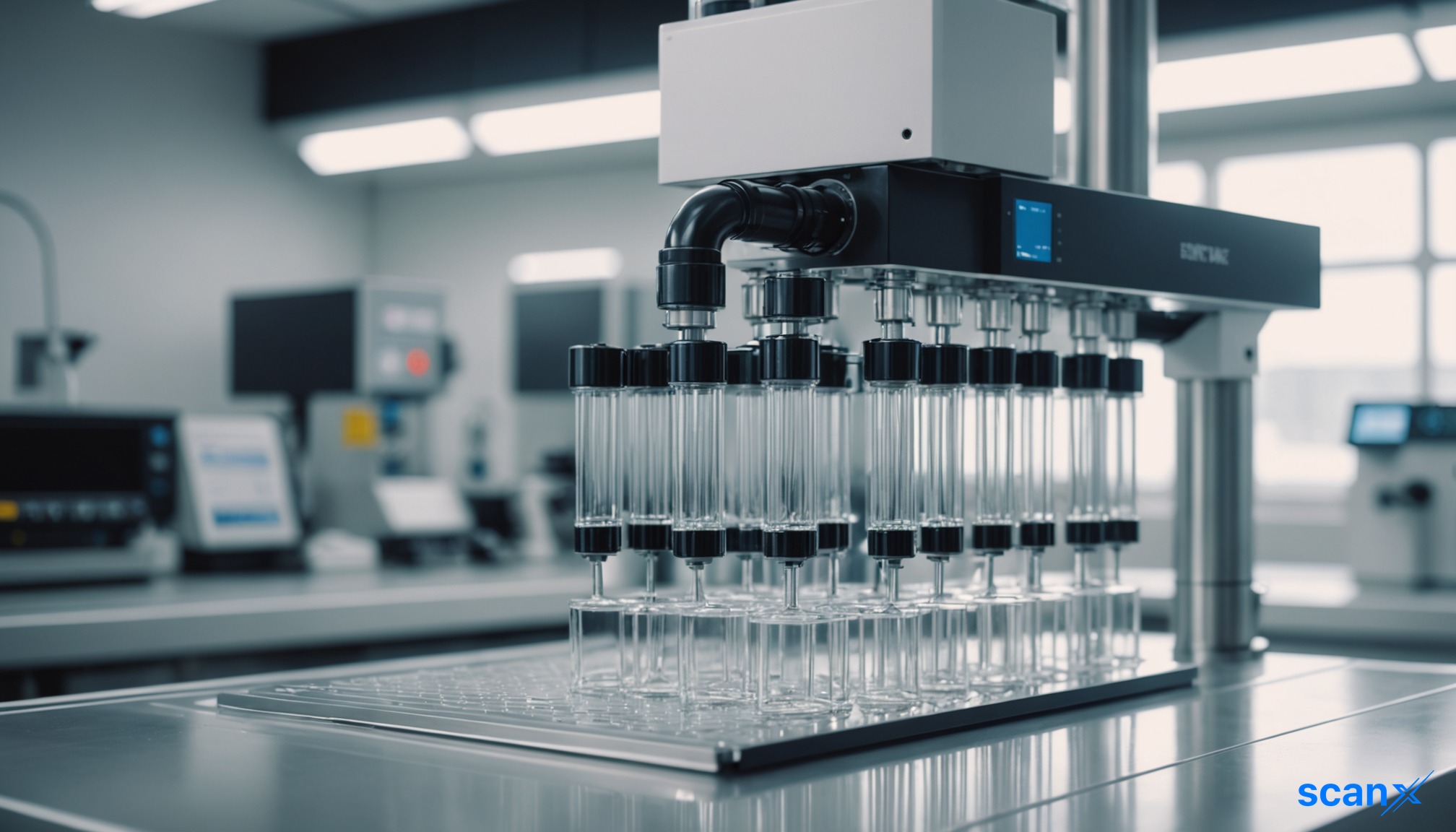

*this image is generated using AI for illustrative purposes only.
Anthropic has established a physical biology facility in the San Francisco Bay Area, moving its artificial intelligence efforts in life sciences from computational models to hands-on experimentation.
Two people familiar with the plans told Reuters that the company built a wet lab. Eric Kauderer-Abrams, Anthropic’s life sciences leader, confirmed the facility. The company aims to test AI-generated ideas through real-world experiments, particularly for treatments targeting rare diseases.
Operational Strategy
Anthropic is combining internal laboratory work with external collaborations, mirroring the operational model of many biotechnology companies. A spokesperson clarified that the facility is not exclusively dedicated to drug discovery and declined to provide further details on its scope.
The company is also exploring AI-driven laboratory automation. Claude models are being developed to operate automated lab systems, with robots executing experiments while humans oversee safety protocols. Kauderer-Abrams described this as the "very early innings" of using AI to automate lab execution.
Market Position and Partnerships
Anthropic does not intend to compete directly with pharmaceutical or biotech companies focused on bringing drugs to market. The company is not conducting clinical trials but plans to focus on preclinical programs in areas lacking sufficient commercial incentive for traditional drugmakers.
Simultaneously, Anthropic provides AI services to established drugmakers including Roche’s Genentech, Bristol Myers Squibb, and Novo Nordisk. In August, the company introduced the Model Hardware Standard to facilitate interaction between AI systems and laboratory equipment.
What the Numbers Show
Hiring data indicates a shift toward operational scale. Job listings seek expertise in protein and nucleic acid characterization and leadership in procurement and operations. One listing explicitly stated the goal to "speed up progress in the life sciences by an order of magnitude," signaling an aggressive timeline for integrating AI into physical biological workflows.

How might Anthropic's focus on preclinical work for rare diseases disrupt the traditional risk-reward models of pharmaceutical R&D?
What regulatory hurdles could arise from using AI-driven automation to execute physical biological experiments without direct human intervention?
Will the introduction of the Model Hardware Standard accelerate industry-wide adoption of AI in wet labs, or create fragmentation among biotech partners?
 16
16








 Access 50+ Readymade Screeners
  Use 200+ Custom Filters
  Get Full Market Insights





