Oil Prices Steady Near $65 as Ukrainian Strikes Disrupt Russian Refinery Output

1 min read     Updated on 17 Sept 2025, 05:21 AM
scanx
Reviewed by
Naman SScanX News Team
Overview

Oil prices remain stable around $65 per barrel after a three-day gain. Ukrainian strikes have reduced Russian refinery output to its lowest since the pandemic. The U.S. reported its largest monthly stockpile drop, tightening supply. OPEC+ supply concerns keep prices within a $5 range. The market balances between supply disruptions and economic growth worries.

19612313

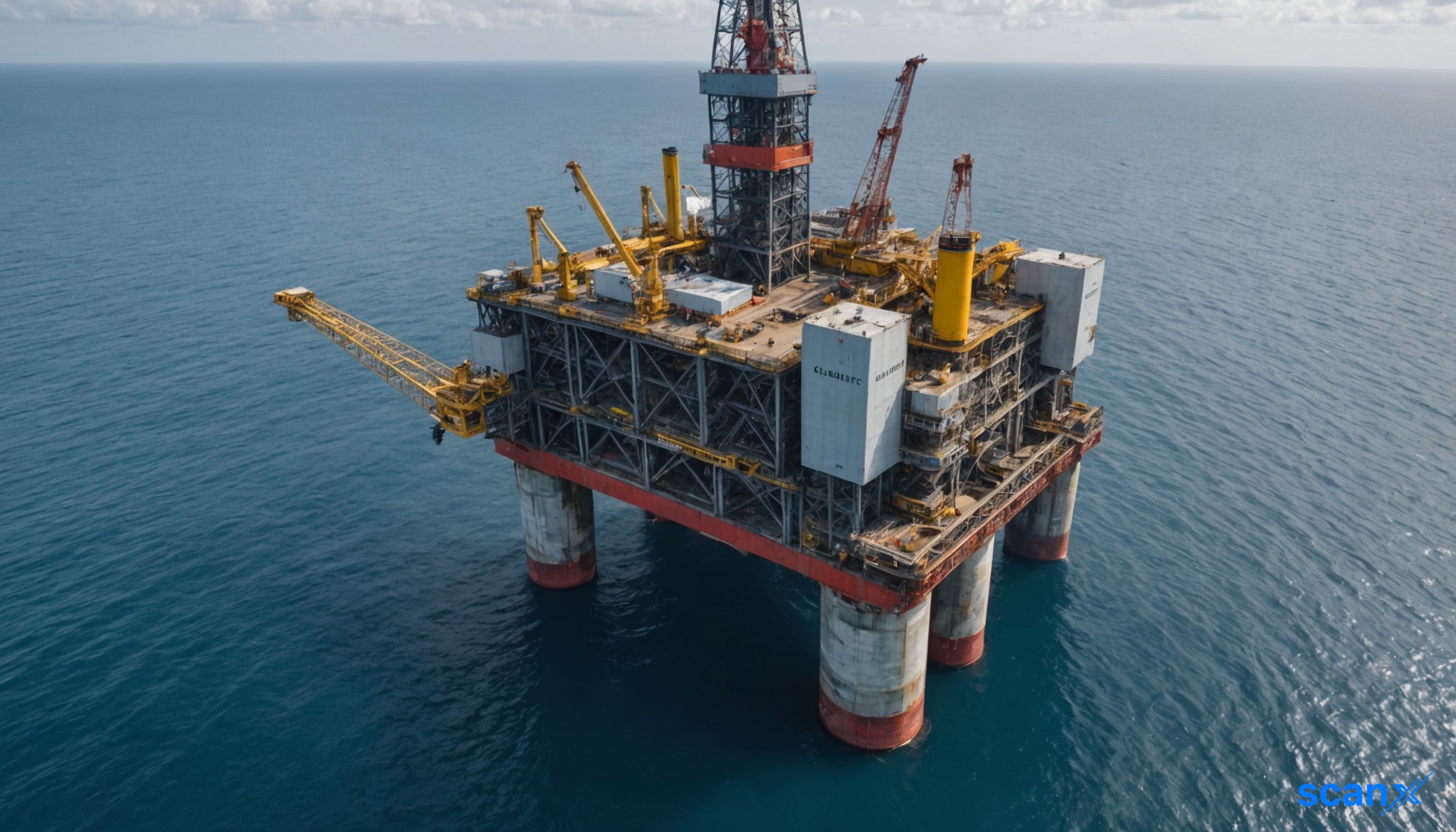
*this image is generated using AI for illustrative purposes only.

Oil prices have maintained their position around the $65 mark, following a three-day streak of gains. The market has been influenced by a combination of geopolitical tensions, supply disruptions, and inventory changes in the United States.

Ukrainian Strikes Impact Russian Refinery Output

Recent Ukrainian strikes have significantly impacted Russian oil production, pushing refinery output to its lowest levels since the COVID-19 pandemic. This disruption in one of the world's major oil-producing countries has contributed to the recent upward pressure on oil prices.

U.S. Stockpile Drop

The oil market has shown signs of tightening supply, with the United States reporting its largest stockpile drop in a month. While this would typically be a bullish signal for oil prices, the impact of this inventory reduction appears to have been tempered by other market factors.

OPEC+ Supply Concerns

The oil market remains constrained within a relatively narrow $5 trading range, largely due to ongoing concerns about OPEC+ supply. The Organization of the Petroleum Exporting Countries and its allies (OPEC+) continue to play a crucial role in global oil supply management, and uncertainties about their production decisions are keeping prices in check.

Market Outlook

The current oil price stability around $65 per barrel reflects a delicate balance between various market forces:

  • Supporting factors:

    • Supply disruptions in Russia
    • Decreasing U.S. inventories
  • Constraining factors:

    • Concerns about global economic growth
    • Potential increases in OPEC+ supply

As geopolitical tensions persist and market participants closely monitor OPEC+ decisions, oil prices are likely to remain sensitive to new developments. Traders and analysts will be watching for:

  • Changes in Russian refinery output
  • Further inventory movements in major consuming countries
  • Indications of shifts in OPEC+ production policy
like19
dislike

Oil Prices Steady at $67 as Trump Urges European Boycott of Russian Oil

1 min read     Updated on 15 Sept 2025, 05:23 AM
scanx
Reviewed by
Shraddha JScanX News Team
Overview

Oil prices remain stable around $67 per barrel as President Trump urges European nations to stop purchasing Russian oil and threatens significant sanctions. The market is balancing oversupply concerns with geopolitical tensions involving Russia and the Middle East. A potential European boycott of Russian oil could lead to a major reshuffling of global oil trade patterns, affecting supply, demand, and pricing dynamics.

19439606

*this image is generated using AI for illustrative purposes only.

Oil prices held firm around the $67 mark amidst a complex interplay of geopolitical tensions and market forces. The stability in prices comes as U.S. President Donald Trump called on European nations to cease their purchases of Russian oil, coupled with threats of significant sanctions.

Trump's Call for Action

President Trump's urging of European countries to boycott Russian oil introduces a new dynamic to the global oil market. This move, if implemented, could potentially reshape oil trade flows and impact global supply chains. The threat of substantial sanctions adds weight to the President's call, potentially influencing both oil prices and international relations.

Market Equilibrium Amid Competing Pressures

Despite the heightened geopolitical tensions, the oil market has maintained a delicate balance. Several factors are at play:

  1. Oversupply Concerns: The market continues to grapple with fears of oversupply, which typically exerts downward pressure on prices.

  2. Geopolitical Tensions: Escalating tensions involving Russia and the Middle East serve as a counterbalance, potentially supporting oil prices due to supply uncertainty.

  3. European Demand: The response of European nations to Trump's call could significantly impact demand for Russian oil and, consequently, global oil dynamics.

Implications for Global Oil Market

The current situation underscores the complex nature of the global oil market, where geopolitical events can swiftly influence supply, demand, and pricing. As stakeholders closely monitor developments, the stability of oil prices around $67 reflects a market that is cautiously weighing multiple factors.

The potential boycott of Russian oil by European countries, if realized, could lead to a significant reshuffling of global oil trade patterns. It may force Russia to seek alternative buyers while compelling Europe to source oil from different suppliers, potentially at higher costs.

As these events unfold, market participants will be keenly watching for any shifts in European energy policies, Russian responses, and the broader implications for global oil supply and demand balances.

like16
dislike
Explore Other Articles