

Vans Electroengineerings IPO DRHP: ₹25 crore fresh issue; revenue CAGR at 196%


- Vans Electroengineerings files DRHP for ₹25.00 crore fresh issue to fund working capital.
- Revenue grew at ~196.65% CAGR to ₹22.84 crores in FY2026; PAT reached ₹5.39 crores.
- Company holds RDSO and CORE approvals, serving Indian Railways' electrification needs.
- Key risks include high customer concentration and negative operating cash flow in FY2026.

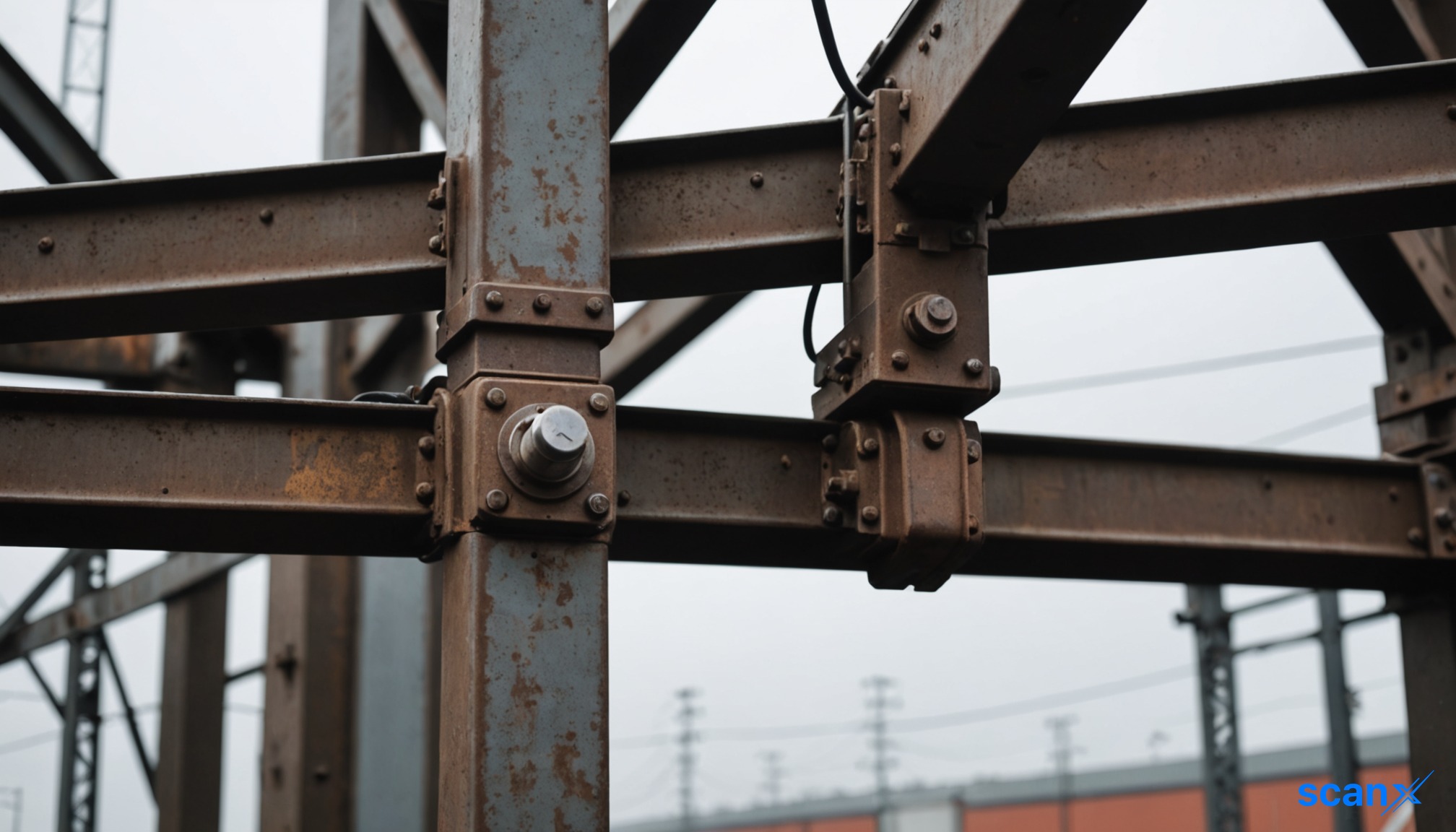

*this image is generated using AI for illustrative purposes only.
Vans Electroengineerings Limited, an ISO 9001:2015 certified manufacturer of traction power supply components, has filed a DRHP for a ₹25.00 crore fresh issue. The Salem-based company supplies Vacuum Circuit Breakers and Vacuum Interrupters primarily to Indian Railways and metro systems, reporting a revenue CAGR of approximately 196.65% between FY2024 and FY2026.
About the Company
Incorporated in February 2022 and headquartered in Salem, Tamil Nadu, Vans Electroengineerings specializes in manufacturing Single/Double Pole Vacuum Circuit Breakers (VCBs) and Vacuum Interrupters (VIs) for 25kV traction applications. The company operates from a single leased facility equipped with in-house design, assembly, and testing capabilities. It holds critical RDSO (Research Designs and Standards Organisation) and CORE (Central Organisation for Railway Electrification) Approved Vendor status, which serves as a significant regulatory moat in the railway procurement sector.
The company’s products are tested in compliance with international standards such as IEC 62505-1:2016 and IEC 62271-100/2017-07 via KERI (South Korea) and CPRI (Bangalore). Its customer base spans across North, West, South, Central, and East regions of India, with 93.30% of FY2025-26 revenue derived from the Indian Railways ecosystem through EPC contractors.
Financial Performance
The company has demonstrated rapid scaling since its incorporation. Revenue from operations grew from ₹2.60 crores in FY2024 to ₹22.84 crores in FY2026. Profit After Tax (PAT) expanded significantly from ₹0.02 crores in FY2024 to ₹5.39 crores in FY2026, reflecting improved operating leverage.
| Metric | FY2024 (₹ Cr) | FY2025 (₹ Cr) | FY2026 (₹ Cr) |
|---|---|---|---|
| Revenue from Operations | 2.60 | 13.56 | 22.84 |
| Total Expenses | 2.71 | 11.51 | 15.93 |
| Profit Before Tax (PBT) | 0.05 | 2.31 | 7.26 |
| Profit After Tax (PAT) | 0.02 | 1.73 | 5.39 |
| Total Assets | 6.57 | 5.34 | 16.85 |
| Total Equity | 1.05 | 3.78 | 9.17 |
Despite strong profitability, operating cash flow turned negative in FY2026 at -₹3.07 crores, primarily due to a build-up in trade receivables which stood at ₹13.14 crores, representing 57.53% of revenue.
Why the Company Is Raising Funds
The entire ₹25.00 crore fresh issue is designated for meeting long-term working capital requirements. This includes funding inventories, trade receivables, and trade payables to support expanding operations. The balance proceeds will be allocated to general corporate purposes, such as operating expenses, business development, and marketing capabilities. The need for working capital is underscored by projections showing requirements growing from ₹1,115.06 lakhs in FY2025-26 to ₹3,718.85 lakhs by FY2027-28.
Business Strengths
Regulatory Moat: Holding RDSO and CORE Approved Vendor status creates high entry barriers for competitors in the niche railway electrification segment.
Quality Compliance: Products meet stringent international standards (IEC), validated by independent testing agencies like KERI and CPRI.
Experienced Leadership: Promoters bring over 35 years of cumulative industry expertise, ensuring strong relationships within the specialized railway supply chain.
Geographic Diversification: Revenue is spread across all five regions of India, mitigating regional concentration risks.
Key Risks
Dependence on Indian Railways: A significant portion of revenue (93.30% in FY2026) is linked to Indian Railways projects. Any policy changes or budget cuts could adversely affect demand.
Customer Concentration: The top five customers accounted for 65.74% of revenue in FY2026. Lack of long-term contractual commitments exposes the company to revenue volatility if key orders are reduced.
Working Capital Volatility: Negative operating cash flows in FY2026 and high trade receivables pose liquidity risks. Working capital needs are projected to more than double by FY2027-28.
Compliance Lapses: The DRHP discloses delays in statutory filings, including DPT-3 (up to 992 days) and BEN-2 (1,539 days). Failure to maintain regulatory approvals could restrict business operations.
Single Facility Dependency: All manufacturing occurs at one leased facility in Salem. Disruptions due to equipment failure or natural disasters could halt production and breach contracts.
Important IPO Dates
| Event | Date |
|---|---|
| IPO Opening Date | 29-Sep-2026 |
| IPO Closing Date | 01-Oct-2026 |
| Basis of Allotment | 05-Oct-2026 |
| Listing Date | 07-Oct-2026 |
Bottom Line
Vans Electroengineerings presents a high-growth profile with a 196% revenue CAGR and strong margins, supported by essential RDSO/CORE approvals. However, the investment thesis is tempered by substantial dependence on Indian Railways, significant customer concentration, and negative operating cash flows driven by rising receivables. The ₹25 crore fresh issue aims to address these working capital constraints as the company scales.

How will the projected tripling of working capital needs by FY2027-28 impact Vans Electroengineerings' debt profile and interest coverage ratios post-listing?
What specific diversification strategies is the company planning to implement to reduce its 93% revenue dependence on the Indian Railways ecosystem?
Given the single leased facility risk, does the company have concrete plans or capital allocation strategies for establishing a second manufacturing unit to mitigate operational disruptions?
 17
17




 Access 50+ Readymade Screeners
  Use 200+ Custom Filters
  Get Full Market Insights





