

Steamhouse IPO Day 2: Subscribed 2.07x; QIB jumps to 1.62x; NII bHNI up 173%


- Steamhouse IPO subscription reached 2.07x on Day 2.
- QIB demand jumped to 1.62x, entering the issue for the first time.
- NII (bHNI) rose 173.8% to 2.93x; Retail hit 2.44x.
- Total subscription increased from 1.47x at previous close to 2.07x.
- Issue closes on 11-09-2026; listing expected on 17-09-2026.



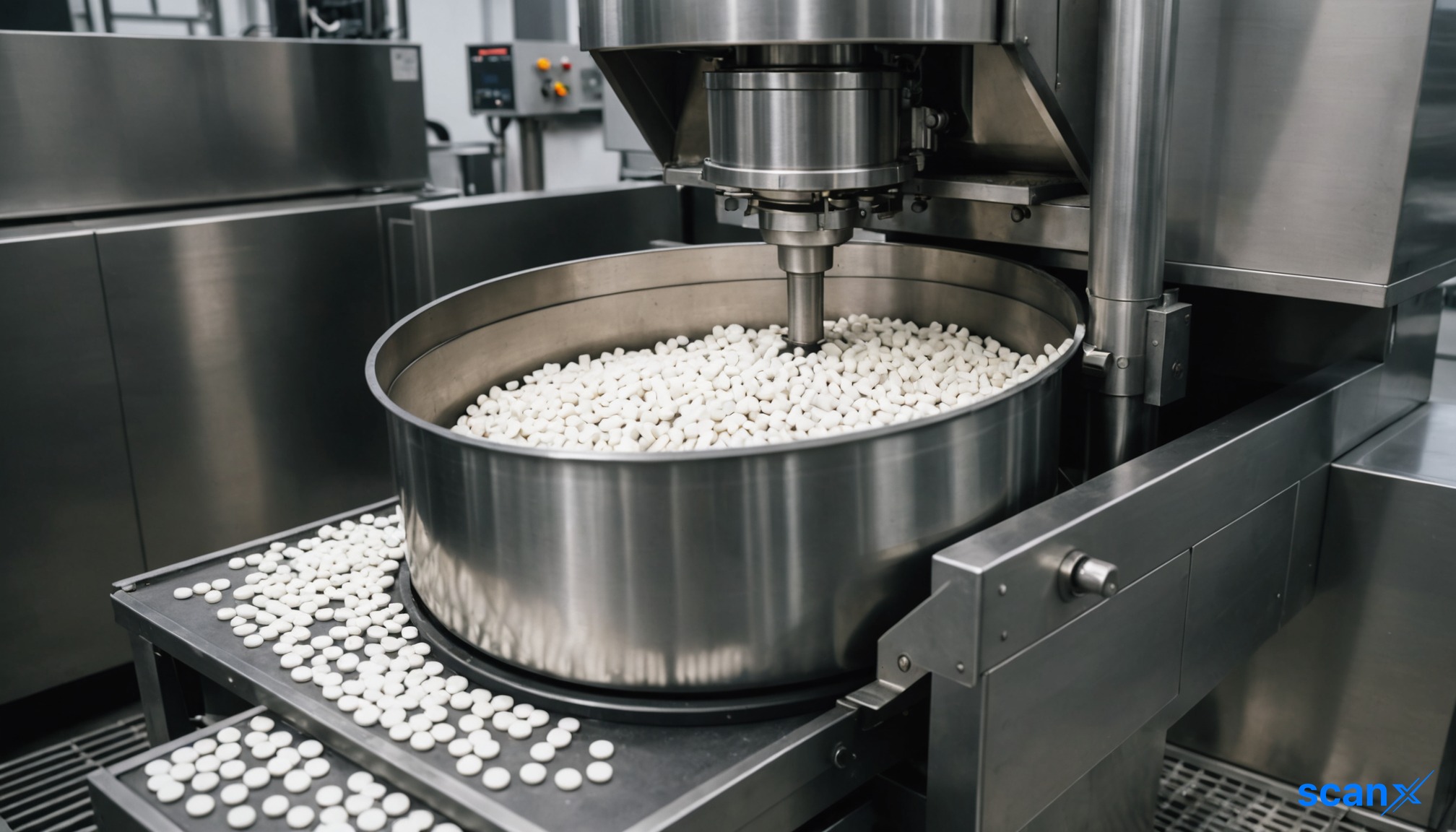
*this image is generated using AI for illustrative purposes only.
Steamhouse IPO is subscribed 30.34x on Day 3, with total demand jumping 645.5% intraday from the morning snapshot. The Qualified Institutional Buyer (QIB) segment led the charge, surging 2593.9% to 43.91x, while the large HNI (bHNI) category reached 46.78x.
Subscription Status
The Steamhouse IPO witnessed accelerating demand throughout the subscription window. From a modest start on Day 1, the issue gained significant traction on Day 2 and continued to grow sharply on Day 3, crossing the 30x mark by late afternoon. Demand picked up pace significantly after 2 pm, with QIB and NII segments driving the bulk of the increase.
| Day | Date | QIB | NII (bHNI) | NII (sHNI) | Retail | Total |
|---|---|---|---|---|---|---|
| Day 1 | 09-09-2026 | 0.00x | 0.46x | 0.11x | 0.62x | 0.36x |
| Day 2 | 10-09-2026 | 1.62x | 2.93x | 1.23x | 2.44x | 2.07x |
| Day 3 | 11-09-2026 | 43.91x | 46.78x | 43.00x | 16.61x | 30.34x |
Category-wise Breakdown
The large HNI (bHNI) segment emerged as the strongest bidder, subscribing to 46.78 times their quota. The small HNI (sHNI) segment also showed robust interest, contributing 43.00x. Retail investors subscribed 16.61x. The QIB segment subscribed 43.91x, marking a significant jump from earlier in the day. Employee quota remained unsubscribed at 0x.
Intra-day Timeline
| Time (IST) | QIB | NII (bHNI) | Retail | Total |
|---|---|---|---|---|
| 11:15 | 0.00x | 1.07x | 1.15x | 0.71x |
| 12:15 | 0.00x | 1.32x | 1.39x | 0.86x |
| 13:15 | 0.18x | 1.57x | 1.61x | 1.04x |
| 14:15 | 0.18x | 1.84x | 1.80x | 1.17x |
| 15:15 | 0.18x | 2.12x | 1.99x | 1.31x |
| 16:15 | 0.18x | 2.43x | 2.22x | 1.47x |
| 17:15 | 1.62x | 2.93x | 2.44x | 2.07x |
Offer Details
- Price Band: ₹77.00000 - ₹81.00000
- Issue Size: 14985 - 500000
- Min Bid Qty: 185
- Open Date: 2026-09-09
- Close Date: 2026-09-11
About the Company
Steamhouse India Limited specializes in the generation and centralized distribution of industrial gases, including steam and nitrogen, through pipeline networks. The company operates seven community steam boilers in Gujarat with a combined installed capacity of 345 TPH, serving 202 customers across pharmaceuticals, chemicals, textiles, and other industrial sectors. It is the only company in India to supply nitrogen through distributed pipeline networks instead of traditional cryogenic tanks.
Financial Highlights
| Metric | FY 2026 | FY 2025 | FY 2024 |
|---|---|---|---|
| Revenue from Operations (₹ crores) | 491.51 | 395.11 | 291.71 |
| Total Profit (₹ crores) | 38.64 | 31.16 | 27.19 |
| Total Assets (₹ crores) | 679.45 | 543.67 | 422.31 |
Objects of the Issue
- Repayment or prepayment of outstanding borrowings: ₹180.00 crores
- Capacity expansion of Ankleshwar Facility: ₹37.98 crores
- Capacity expansion of Panoli Facility: ₹37.98 crores
- New manufacturing facility in Dahej GIDC: ₹38.17 crores
- General corporate purposes
Risk Factors
- Customer Concentration: Top ten customers contributed 47.87% of revenue in Fiscal 2026.
- Coal Dependency: Coal purchases constituted 77.29% of total purchases in Fiscal 2026.
- High Financial Leverage: Net debt-to-equity ratio was 1.57 as of March 31, 2026.
- Regulatory Compliance: Previous violations of Gujarat Pollution Control Board approvals.
- Supplier Concentration: Top ten suppliers accounted for 81.71% of overall purchases in Fiscal 2026.

How might the late entry of QIBs on Day 2 influence the final issue price and listing gains for Steamhouse India?
Given the high coal dependency (77.29% of purchases), how could potential fluctuations in coal prices impact the company's future profit margins?
Will the proposed capacity expansions in Ankleshwar, Panoli, and Dahej be sufficient to mitigate the risk associated with high customer concentration?
 17
17





 Access 50+ Readymade Screeners
  Use 200+ Custom Filters
  Get Full Market Insights





