

Shanti Inorganics IPO announced: ₹42.50 crore issue, what you need to know


- Shanti Inorganics files DRHP for ₹42.50 crore fresh issue.
- Proceeds will fund a new 78,544 MTPA manufacturing facility in Bavla.
- Revenue grew at 25.99% CAGR; PAT grew at 41.35% CAGR (FY24-FY26).
- Top 10 customers contribute 71.03% of revenue; top 10 suppliers account for 97.92% of purchases.
- IPO opens on 31-Aug-2026 and closes on 02-Sep-2026.

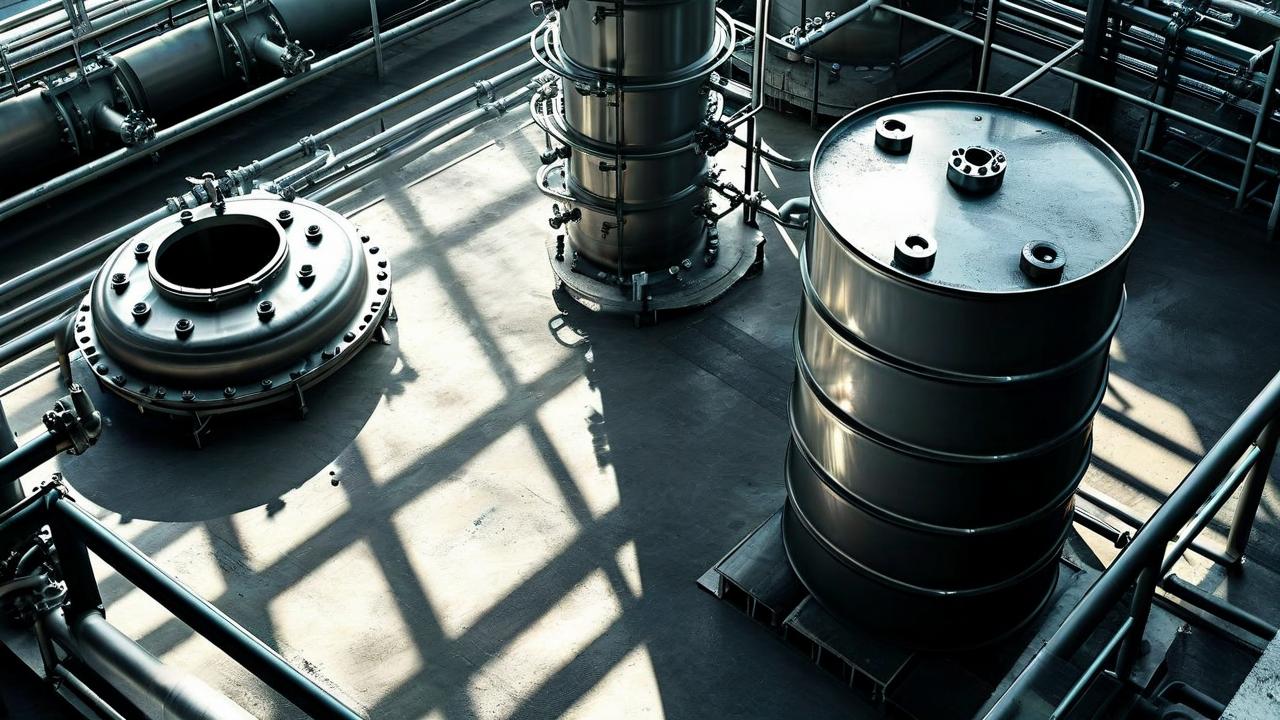

*this image is generated using AI for illustrative purposes only.
Shanti Inorganics IPO closed with a staggering total subscription of 278.39x, fueled by a dramatic last-hour surge from Qualified Institutional Buyers (QIBs) and Non-Institutional Buyers (NIIs). While the issue is heavily oversubscribed in institutional categories, Retail participation remained at 0x throughout the bidding window.
Final Subscription Status
| Day | Date | QIB | NII (bHNI) | NII (sHNI) | Retail | Total |
|---|---|---|---|---|---|---|
| Day 1 | 31-08-2026 | 0.23x | 0.56x | 0.38x | 0.00x | 1.41x |
| Day 2 | 01-09-2026 | 1.63x | 2.70x | 2.70x | 0.00x | 6.93x |
| Day 3 | 02-09-2026 | 129.27x | 215.40x | 153.59x | 0.00x | 278.39x |
Intra-day timeline on 02-09-2026
The momentum picked up significantly in the final hours of Day 3. QIBs raced ahead, jumping from 1.63x to 129.27x, while NII (bHNI) subscriptions ticked up from 15.04x to 153.59x.
| Time (IST) | QIB | NII (bHNI) | Retail | Total |
|---|---|---|---|---|
| 11:15 | 1.63x | 15.04x | 0.00x | 32.18x |
| 12:15 | 1.65x | 29.50x | 0.00x | 55.04x |
| 13:15 | 9.96x | 55.29x | 0.00x | 92.27x |
| 14:15 | 27.39x | 80.85x | 0.00x | 135.51x |
| 15:15 | 76.90x | 122.18x | 0.00x | 209.83x |
| 16:15 | 129.27x | 153.59x | 0.00x | 278.39x |
Category-wise Breakdown
QIBs led the charge with a massive +7830.7% jump today, moving from 1.63x to 129.27x. The NII segment also saw explosive growth, with bHNI rising +921.2% to 215.40x and sHNI reaching 153.59x. Retail investors did not participate, resulting in a 0x subscription for this category.
About the Company
Shanti Inorganics is engaged in the manufacturing and supply of sulphur-based inorganic chemicals. Founded in 2010, it holds one of the largest domestic production capacities for bisulphites at 18,800 MTPA. The company’s products serve industries such as food and beverages, chemicals, oil drilling, and pharmaceuticals. Promoters include Manojkumar Jayantilal Patel (MD) and Avnish Manojkumar Patel (CEO).
Financial Highlights
| Particulars | FY2024 (₹ crores) | FY2025 (₹ crores) | FY2026 (₹ crores) |
|---|---|---|---|
| Revenue from Operations | 44.87 | 57.11 | 71.22 |
| Profit After Tax | 5.12 | 7.99 | 10.22 |
| Total Equity | 17.60 | 25.60 | 48.24 |
Revenue grew from ₹44.87 crores in FY2024 to ₹71.22 crores in FY2026. PAT increased from ₹5.12 crores to ₹10.22 crores over the same period.
Objects of the Issue
- ₹42.50 crores towards setting up a new facility for manufacturing sodium meta bisulphite, sodium bisulphite powder, and ammonium bisulphite at Bavla, Ahmedabad.
- Balance net proceeds for general corporate purposes including brand building, salaries, IT infrastructure, and strategic initiatives.
Risk Factors
- Dependence on food and beverages, oil drilling, and chemical industries for substantial revenue.
- Customer concentration risk with top 10 customers accounting for 71.03% of revenue.
- No long-term contractual arrangements with majority of customers, relying on transactional purchase orders.
What's Next
Allotment date: 2026-09-03 Listing date: 2026-09-07 Basis of allotment will be determined based on final subscription multiples.

How will the 4.18x capacity expansion at the new Bavla facility impact Shanti Inorganics' market share against established competitors in the sulphur-based chemicals sector?
Given the high concentration of revenue from the Food & Beverage and Oil Drilling industries, how might regulatory shifts or demand fluctuations in these specific sectors affect the company's post-IPO growth trajectory?
What strategies will management employ to mitigate the risk of raw material cost volatility, considering that material costs constitute over 58% of total income?
 19
19





 Access 50+ Readymade Screeners
  Use 200+ Custom Filters
  Get Full Market Insights





