

OPay files for NYSE IPO targeting $500 million raise


- OPay Ltd. filed for NYSE IPO targeting up to $500 million
- Revenue doubled to $536.3 million in 2025; H1 2026 revenue hit $467 million (+137% YoY)
- Net profit swung to $72.5 million in 2025 from a $51 million loss in 2024
- Agent banking network grew 43% to 800,000 POS terminals by June 2026
- Implied market cap is ~$4 billion, valued at >20x annualized 2026 net profit

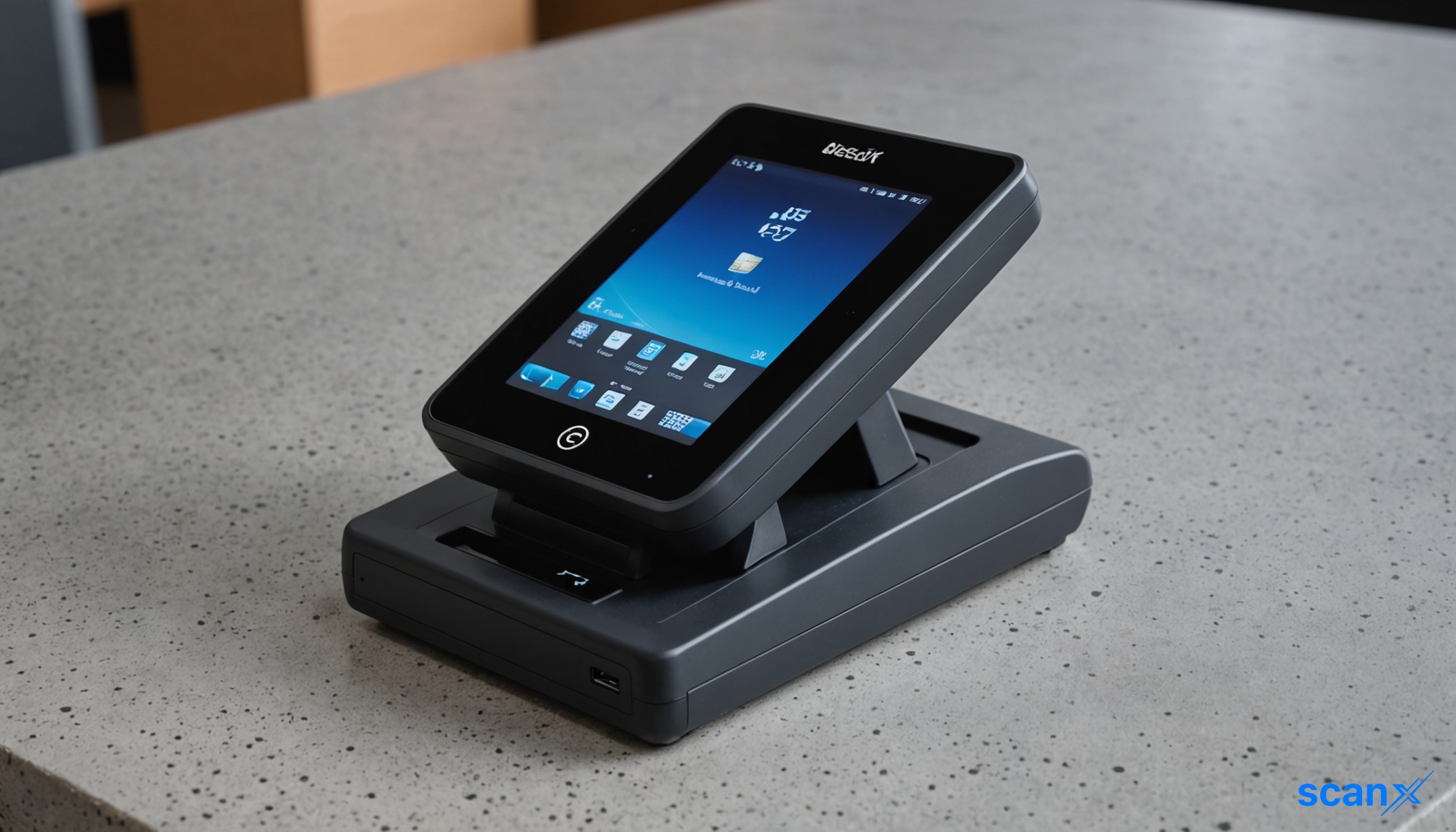

*this image is generated using AI for illustrative purposes only.
OPay Ltd. has filed for an initial public offering on the New York Stock Exchange, seeking to raise up to $500 million. The Singapore-based digital payment company reported $536.3 million in revenue for 2025, more than double its prior year, driven by strong transaction growth in Nigeria.
The filing marks a distinct departure from typical Asian fintech expansion strategies, which often prioritize Southeast Asia. Instead, OPay leveraged Opera’s existing mobile browser footprint in Africa to build a dominant position in Nigeria, Africa’s most populous nation. The company now ranks as the second most used digital financial platform by daily active users in the region as of July 2026.
Financial performance and profitability
OPay achieved a significant turnaround, swinging from a net loss of $51 million in 2024 to a net profit of $72.5 million in 2025. Momentum continued into the first half of 2026, where net profit exceeded $90 million, more than quadruple the $21.7 million recorded in the year-ago period. Revenue for H1 2026 totaled $467 million, representing a 137% year-on-year increase and surpassing 80% of the full-year 2025 total.
| Metric | 2024 | 2025 | H1 2026 | YoY Change (H1) |
|---|---|---|---|---|
| Revenue | Data not disclosed | $536.3 million | $467 million | +137% |
| Net Profit | -$51 million | $72.5 million | >$90 million | +314% |
Agent banking model drives growth
The company’s profitability is anchored in its agent banking network, which addresses last-mile cash conversion challenges in underbanked markets. By equipping local shopkeepers with point-of-sale terminals, OPay created a decentralized network of human ATMs. The active POS terminal network expanded 43% to 800,000 machines by June 2026 from the end of 2024.
While the agent banking infrastructure operates at a lower gross profit margin of 20% to 25%, it serves as a customer acquisition funnel for higher-margin products. Loans and loan facilitation fees, which carry gross margins exceeding 70%, now account for approximately half of OPay’s total revenue.
Corporate structure and valuation
Despite its African operational focus, OPay retains Chinese corporate ties through its chairman and leadership team, which includes former Ant Group executives. The company states it has no financial links to the Chinese market and does not require approval from Chinese securities regulators for this listing. With a target raise of $500 million, the implied market capitalization is roughly $4 billion, valuing the firm at over 20 times its annualized net profit for 2026.
What the numbers show
A divergence exists between OPay’s top-line velocity and its margin structure. While revenue grew 137% in H1 2026, the reliance on low-margin agent transactions (20-25%) versus high-margin lending (>70%) suggests that future profitability gains will depend heavily on converting payment users into credit customers rather than simply expanding transaction volume. The fact that H1 2026 revenue already exceeds 80% of FY25 totals indicates accelerating adoption, but the concentration of nearly 90% of revenue in Nigeria presents a geographic dependency risk.

How might Nigeria's evolving regulatory environment for fintech and lending impact OPay's ability to sustain its high-margin credit revenue growth post-IPO?
What specific strategies will OPay deploy to diversify its geographic risk beyond Nigeria, given that nearly 90% of its current revenue is concentrated in that single market?
Can OPay maintain its 20x net profit valuation multiple if the conversion rate of payment users to loan customers slows down due to increasing competition or economic headwinds?
 16
16






 Create Custom Screeners
  Access 200+ Pre-built Filters
  Use 50+ Readymade Screener





