

UBS warning on AI semi stocks proves timely on risk


UBS’s June warning to reduce risk in AI-linked semiconductor stocks has proven directionally correct regarding near-term volatility, though it was early on absolute returns. The trading desk identified stretched positioning and a binary winners-versus-losers framework in a market treating the AI super-cycle as a linear progression. While the call did not mark a regime change, it successfully flagged the risk of fat left tails for investors running tight limits or trading on margin.


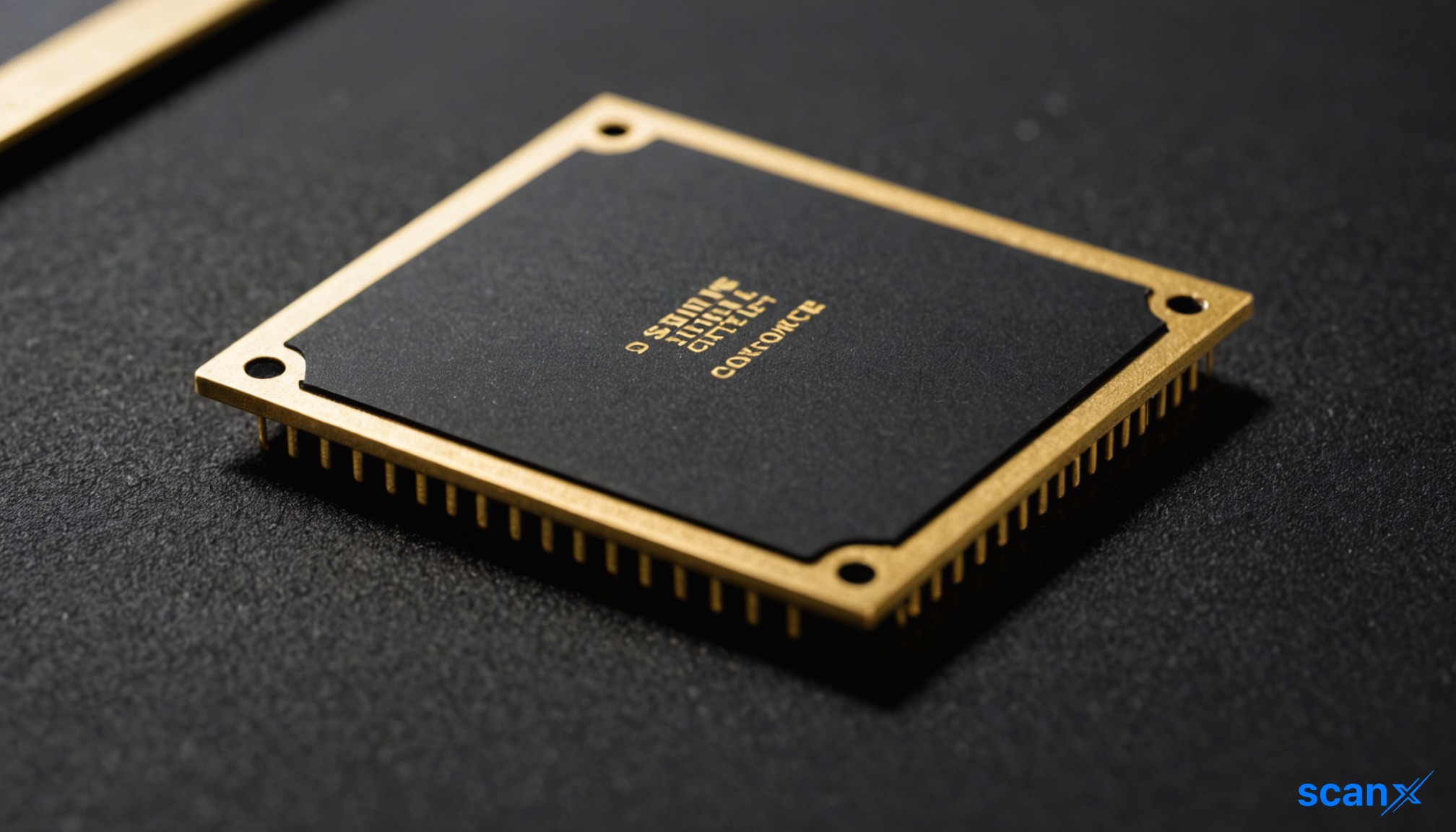
*this image is generated using AI for illustrative purposes only.
UBS’s June warning to reduce risk in AI-linked semiconductor stocks has proven directionally correct regarding near-term volatility, though it was early on absolute returns. The trading desk identified stretched positioning and a binary winners-versus-losers framework in a market treating the AI super-cycle as a linear progression. While the call did not mark a regime change, it successfully flagged the risk of fat left tails for investors running tight limits or trading on margin.
Directionally Right on Near-Term Risk
On the risk front, UBS accurately assessed the setup. AI chip leaders, including SanDisk Corp (NASDAQ: SNDK), Micron Technology, Inc. (NASDAQ: MU) and Advanced Micro Devices, Inc. (NASDAQ: AMD), did not crash but began trading like a crowded momentum basket rather than a one-way factor. The cohort experienced meaningful drawdowns from late-June peaks, with the most significant air pockets visible in the most parabolic names. The warning captured the reality that incremental upside would come with higher risk than the prior six months implied.
Early on Absolute Returns
Where UBS’s mid-June call appeared early was in absolute price terms. An investor acting on the June 18 note immediately would have missed further gains as the group pushed higher into late June. This was particularly evident in Micron, which continued to squeeze as the "winner" label hardened. The super-cycle narrative had one more leg before gravity took effect, illustrating the frustration of timing risk notes in secular stories.
Trade Repriced, Leaders Did Not Rotate
UBS’s most significant oversight was regarding positioning and leadership. The desk framed the AI complex as an extreme winners-versus-losers regime, a dynamic that remains unchanged. Following the pullback, the same small set of semiconductor and memory names continue to dominate performance tables, index impact, and options activity. The trade has repriced but not rotated; flows stepped back and volatility rose, yet capital did not decisively migrate toward laggards or value semis. The note served as a useful risk flag, but the AI chip trade is now less complacent rather than less concentrated.

What catalysts are required to trigger a rotation from current AI leaders to semiconductor laggards or value stocks?
How will the current repricing of AI chip stocks influence institutional risk appetite and margin requirements in the third quarter?
Are stretched valuations in AI-linked semiconductors likely to spill over into other high-growth tech sectors?
 16
16






 Access Market Heat-map & Insights
  Create, Save & Share your Screener
  Use 200+ Screening Filters





