
 News International Trade Indian LPG Carriers Shivalik And Nanda Devi Successfully Navigate Strait Of Hormuz
Indian LPG Carriers Shivalik And Nanda Devi Successfully Navigate Strait Of Hormuz


Following Iran's permission for Indian ships to navigate through the Strait of Hormuz, two Indian-flagged LPG carriers, Shivalik and Nanda Devi, have successfully completed their transit through this strategically important waterway, marking a significant milestone in India-Iran maritime relations.
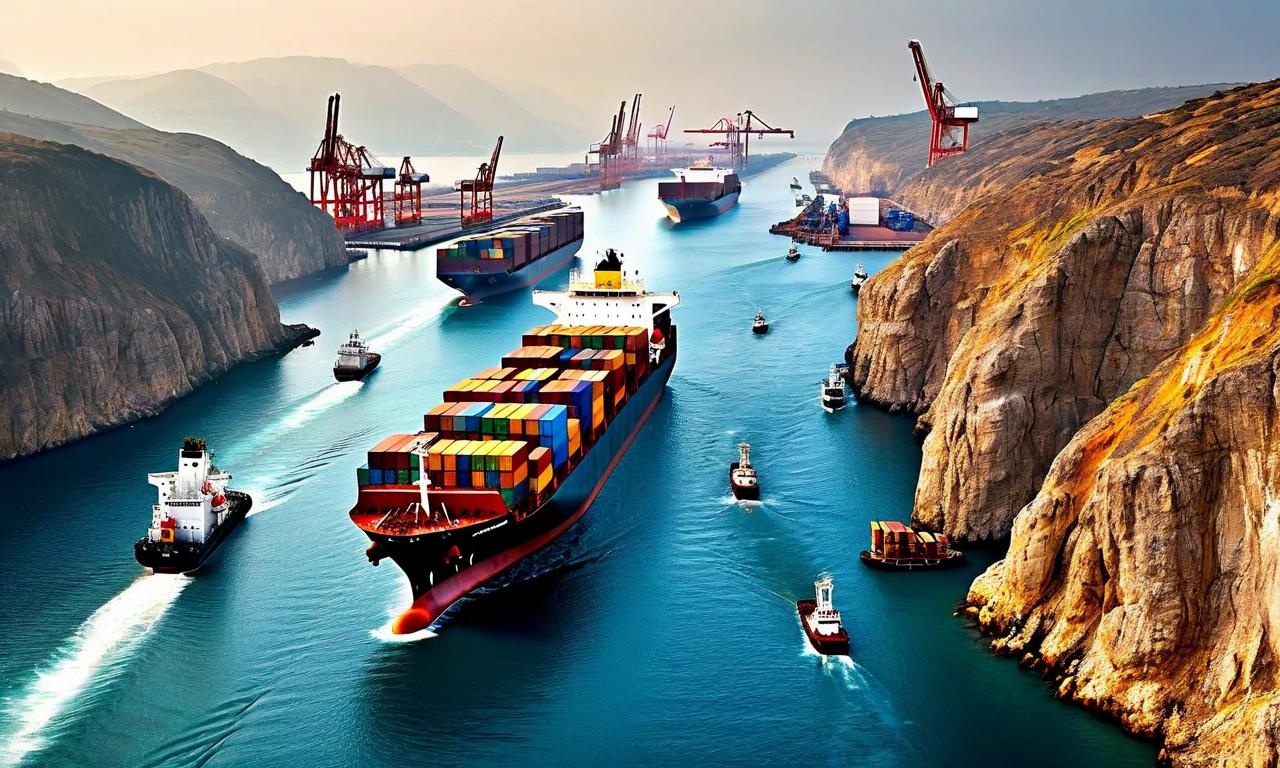

*this image is generated using AI for illustrative purposes only.
Iran has granted permission for Indian ships to navigate through the Strait of Hormuz, with the first successful transits now demonstrating the practical implementation of this bilateral maritime agreement. Indian-flagged LPG carriers Shivalik and Nanda Devi have successfully navigated through this strategically important waterway, marking a significant milestone in bilateral maritime relations between the two nations.
Strategic Importance of the Development
The Strait of Hormuz represents one of the most critical maritime chokepoints globally, serving as a vital passage for international shipping and energy transportation. Iran's decision to permit Indian ships through this waterway demonstrates a strengthening of diplomatic and commercial ties between the two countries. The successful transit of the Shivalik and Nanda Devi vessels provides concrete evidence of this enhanced cooperation.
Vessel Transit Details
| Parameter: | Details |
|---|---|
| Vessel Names: | Shivalik, Nanda Devi |
| Vessel Type: | LPG Carriers |
| Flag State: | India |
| Transit Status: | Successfully Completed |
Implications for Maritime Trade
This permission and the successful vessel transits could potentially enhance India's maritime connectivity and provide alternative routing options for Indian vessels operating in the region. The development may facilitate smoother maritime operations for Indian shipping companies, particularly those involved in LPG transportation, and contribute to improved bilateral trade relations.
The announcement reflects the ongoing diplomatic engagement between India and Iran, particularly in areas of mutual strategic and economic interest. This maritime access arrangement, now proven through actual vessel movements, could serve as a foundation for further cooperation in regional maritime security and trade facilitation.
 17
17






 Access Market Heat-map & Insights
  Create, Save & Share your Screener
  Use 200+ Screening Filters





