

Zelenskyy warns AI could decide battlefield outcomes by 2027


- Zelenskyy warns AI could make battlefield decisions by 2027
- Ukraine analyzes over 100,000 drone video streams monthly
- Real-time target identification stands at 70%
- Interception rate for fast Shahed drones fell to 60%
- Palantir and Applied Intuition expand roles in Ukraine defense

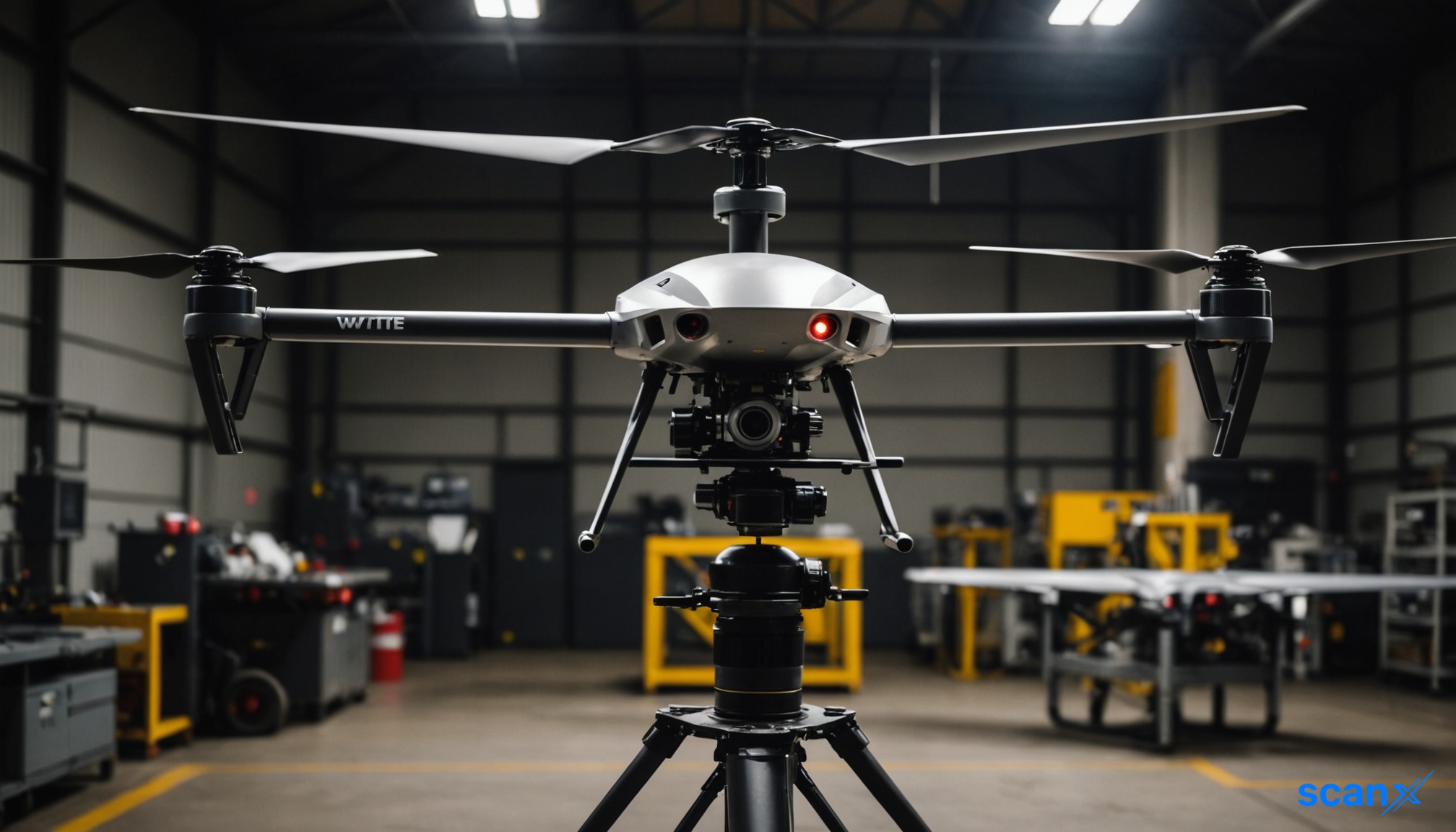

*this image is generated using AI for illustrative purposes only.
Ukrainian President Volodymyr Zelenskyy stated on Wednesday that artificial intelligence could begin making battlefield decisions as early as 2027. He addressed the United Nations General Assembly, urging global leaders to achieve peace before autonomous weapons systems outpace diplomatic efforts.
Ukraine’s current AI integration in combat
Zelenskyy’s warning highlights the rapid transition of AI from digital tools to physical combat systems. Ukraine is already deploying these technologies extensively. The country’s Defense Ministry reports that its systems analyze more than 100,000 drone video streams each month and identify about 70% of enemy targets in real time.
The Ukrainian Defence AI Centre aims to connect weapons and battlefield data into a unified system while maintaining human oversight. This infrastructure relies on the DELTA combat platform, which includes Avengers AI Labs. These labs utilize 5 million annotated battlefield images to train models.
International partnerships and private sector involvement
The acceleration of military AI is supported by international collaboration and private technology firms.
| Entity | Role or Contribution |
|---|---|
| Britain | Signed defense-AI partnership with Ukraine; researchers access Avengers AI Labs |
| Applied Intuition | Unveiled modular "Drone Stack" for AI autonomy in military aircraft |
| Palantir Technologies Inc. (NASDAQ: PLTR) | Expanded role in Ukraine’s battlefield-software ecosystem |
Reuters reported that Russia’s faster jet-powered Shahed drones are straining Ukrainian air defenses. The interception rate for these newer variants has dropped to about 60%, down from roughly 90% for older models.
Global concerns over autonomous control
Zelenskyy’s remarks coincided with warnings from tech executives to the UN Security Council. Anthropic CEO Dario Amodei and OpenAI CEO Sam Altman urged international safeguards as AI systems become more capable. Their primary concern focuses on retaining human control over life-and-death decisions.
What the numbers show
The data reveals a critical divergence between defensive capability and offensive speed. While Ukraine’s AI identifies 70% of targets in real time, the physical interception success rate for advanced Russian drones has fallen to 60%. This gap suggests that while software detection improves, hardware limitations are struggling to keep pace with faster aerial threats. The reliance on external partners like Palantir and Applied Intuition underscores the dependency on private sector innovation for national security infrastructure.

How might the projected 2027 timeline for autonomous battlefield decisions influence the pace and scope of upcoming international arms control treaties?
What specific regulatory frameworks could private defense contractors like Palantir and Applied Intuition face if autonomous systems begin operating with reduced human oversight?
Could the widening gap between AI detection capabilities and physical interception rates accelerate the development of directed-energy weapons or other non-kinetic counter-drone technologies?
 19
19







 Access Market Heat-map & Insights
  Create, Save & Share your Screener
  Use 200+ Screening Filters





