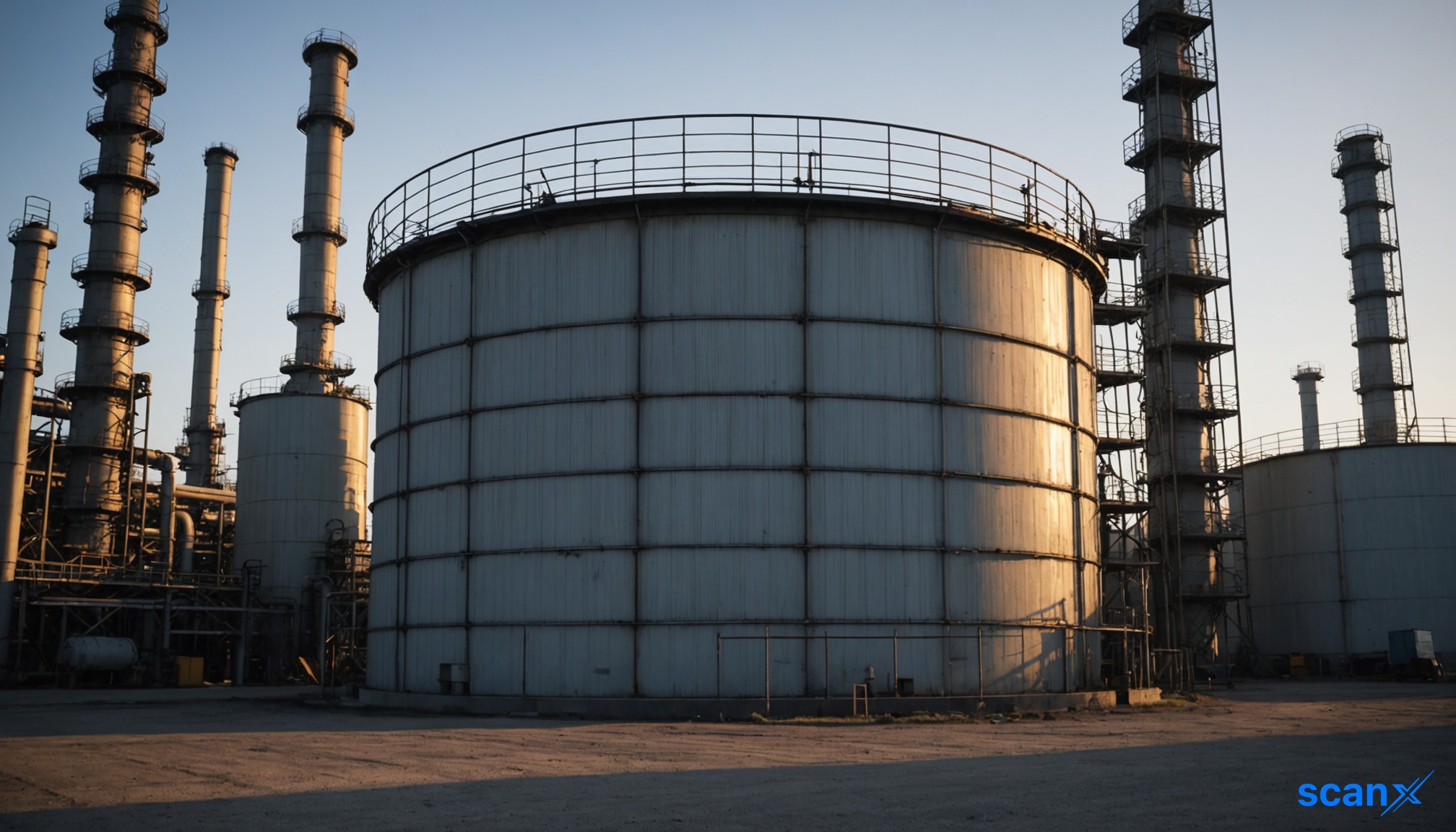
Ukrainian President Volodymyr Zelenskyy confirmed a significant strike on a major Russian oil refinery, directly contradicting recent pleas from US President Donald Trump to halt such attacks.
The strike occurred as global energy markets face mounting pressure from ongoing conflicts in both Ukraine and the Middle East. Trump had previously urged Kyiv to avoid targeting Russian fuel infrastructure, citing concerns over global diesel supply chains.
Strike Details and Strategic Impact
In a post on X on Sunday, September 20, 2026, Zelenskyy stated that Ukrainian long-range missiles hit a key oil industry facility and a logistics hub in the Moscow region. He described the damage as having a "significant" impact.
Zelenskyy noted that the targeted systems included FP-1 and RZ-100 missiles. He emphasized that the destroyed infrastructure represents billions of dollars in assets that sustain the Russian war machine.
| Target |
Location |
Impact Description |
| Oil Industry Facility |
Moscow Region |
Significant impact |
| Logistics Facility |
Moscow Region |
Hit by long-range missiles |
Political Context and Global Energy Pressures
The attack follows a direct warning from Trump last week, who stated that Zelenskyy must "stop knocking out diesel fuel in Russia." Trump argued that these strikes were hurting global diesel supply, contributing to skyrocketing fuel prices in the United States.
Senate Majority Leader John Thune indicated that the US may consider banning diesel exports to keep domestic prices down. Data from the American Automobile Association (AAA) showed the national average price of diesel at $6.5050 per gallon on Sunday.
Broader Geopolitical Tensions
Energy market volatility is further compounded by tensions between the US and Iran. Iranian Parliament Speaker Mohammad Bagher Ghalibaf warned that the US would face "blowback" for targeting Iran over the Strait of Hormuz.
Ghalibaf reaffirmed Tehran's control over the waterway, which handles a fifth of the world's oil supply. This comes after reports of IRGC strikes on two US vessels and eight oil tankers in the strait.
What the Numbers Show
The convergence of military strikes on Russian refining capacity and geopolitical friction in the Strait of Hormuz creates a dual-supply shock scenario. With US diesel prices already elevated to $6.5050 per gallon, any further disruption to Russian output or Hormuz transit volumes risks exacerbating global fuel costs, validating Trump's earlier warnings about supply chain fragility.





 18
18






 Access 50+ Readymade Screeners
  Use 200+ Custom Filters
  Get Full Market Insights





