World Bank Approves $680 Million Funding for Three Development Projects in Assam


The World Bank has approved $680 million funding for three development projects in Assam focusing on climate-resilient infrastructure ($350 million), education and adolescent wellbeing ($250 million), and governance improvements ($80 million). The initiatives will benefit over four million students and nearly 190,000 people in tribal and rural communities. All projects have 16-year maturity periods with three-year grace periods and aim to address climate vulnerability, infrastructure gaps, and poverty while supporting long-term economic development.


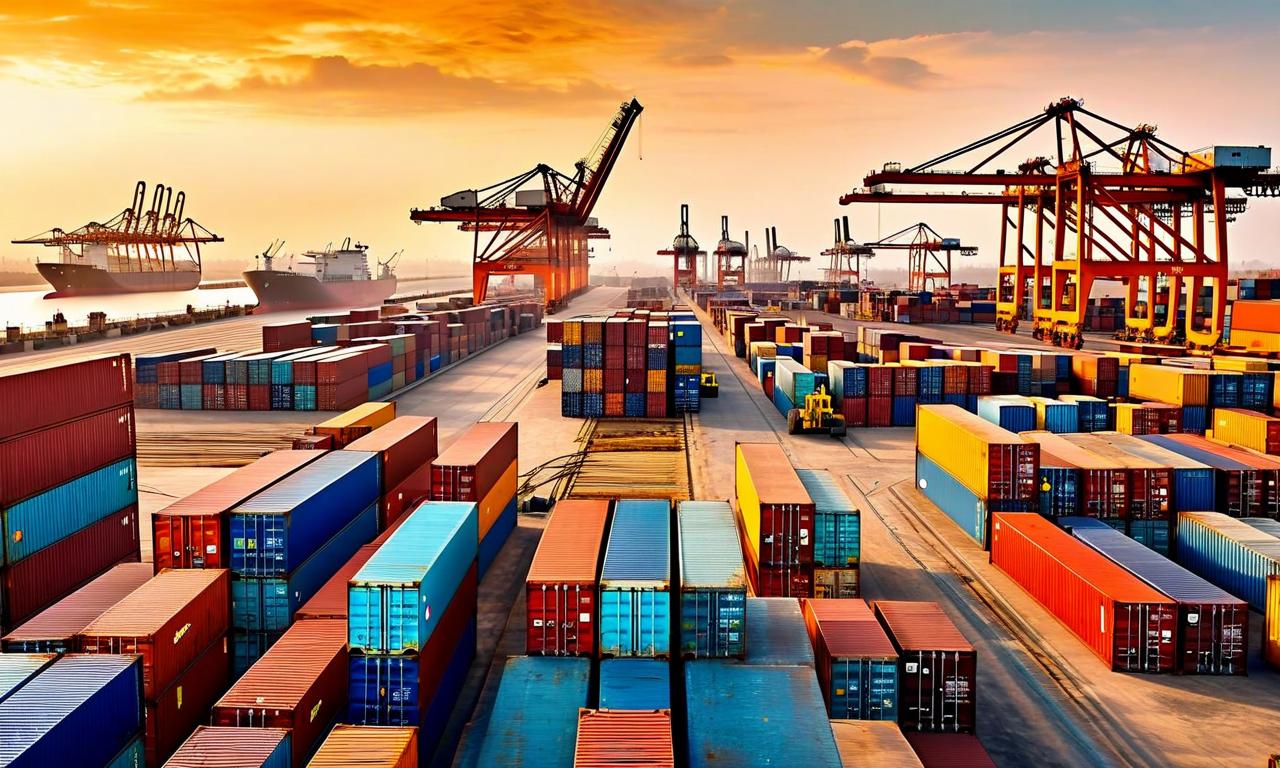
*this image is generated using AI for illustrative purposes only.
The World Bank's Board of Executive Directors has approved comprehensive funding of $680 million for three strategic development projects in Assam. These initiatives are designed to improve access to markets, jobs, and public services while strengthening the state's resilience to extreme weather events. The projects collectively aim to benefit more than four million students and support inclusive growth across the northeastern state.
Assam possesses strong potential for regional trade and integration but continues to face significant challenges including climate vulnerability, infrastructure gaps, and multidimensional poverty. The approved funding package addresses these critical areas through targeted interventions across infrastructure, education, and governance sectors.
Climate-Resilient Infrastructure Development
The largest component of the funding package is the Assam Disaster Resilient Hill Roads Development Project, which receives $350 million in support. This initiative focuses on constructing climate-resilient roads, particularly in hilly and remote areas of the state.
| Project Parameter: | Details |
|---|---|
| Funding Amount: | $350 million |
| Primary Beneficiaries: | Nearly 190,000 people in tribal and rural communities |
| Key Objective: | Reduce travel time and improve connectivity |
| Infrastructure Features: | Upgraded transport and logistics hubs with public transport facilities and electric vehicle charging points |
Education and Workforce Development
The Assam: School Education and Adolescent Wellbeing Project receives $250 million to transform the state's educational landscape. This comprehensive initiative targets both primary education improvements and adolescent workforce preparation.
The project aims to improve learning outcomes for over two million primary school students while preparing another two million adolescents aged 10-19 for the workforce. Key components include:
- Life-skills training programs
- Curriculum upgrades and enhancements
- Multilingual education initiatives
- Construction and upgrading of climate-resilient schools
Governance and Service Delivery Enhancement
The third initiative, the Assam Governance and Service Delivery Program, receives $80 million to strengthen administrative capabilities and improve citizen services. This program focuses on three core areas: strengthening public financial management, improving administrative service delivery for citizens and businesses, and enhancing data systems to support better and faster decision-making.
Project Implementation Framework
All three projects share consistent financial terms and implementation timelines. The World Bank has structured these initiatives with a final maturity period of 16 years, including a grace period of three years. This extended timeframe allows for comprehensive implementation and sustainable impact across the targeted sectors.
| Financial Terms: | Specifications |
|---|---|
| Total Funding: | $680 million |
| Maturity Period: | 16 years |
| Grace Period: | 3 years |
| Expected Role: | Support long-term economic and social development |
The World Bank expects these projects to play a key role in supporting Assam's long-term economic and social development, addressing fundamental challenges while building on the state's inherent strengths in regional connectivity and trade potential.
 16
16