White House seeks Iran strike options before midterms, Atlantic reports

scanx
Reviewed by
Shriram SScanX News Team
Key Highlights
  • The Atlantic reports the White House is seeking options to strike Iran before the midterm elections
  • The U.S. has refrained from launching strikes against Iran for several weeks as the campaign enters its final stage
  • Speculation has emerged that Trump may prefer to maintain the pause until November 3
  • The reported concern centers on an unpopular war weighing on Republican candidates
powered bylight_fuzz_icon
52947117

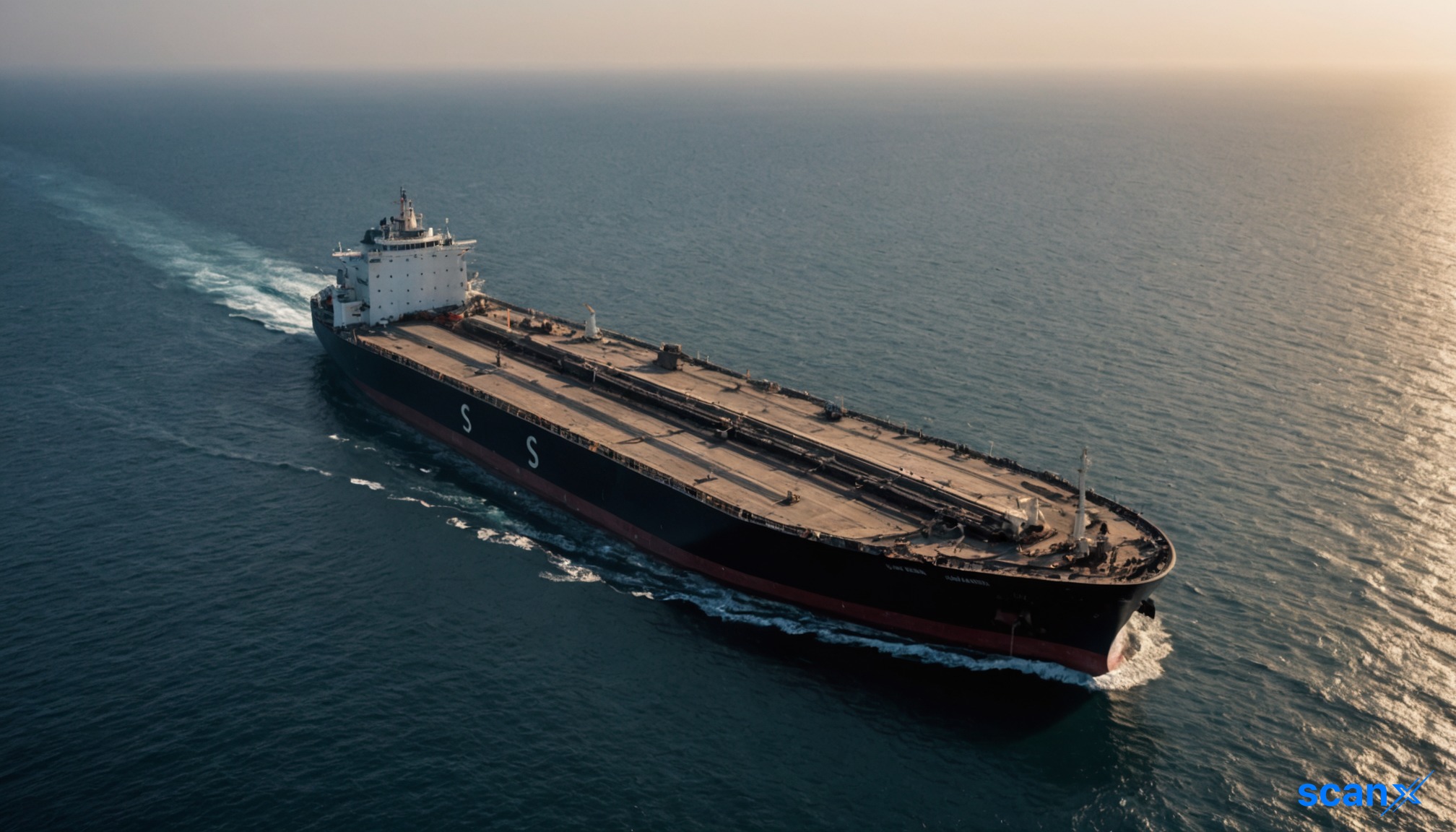
*this image is generated using AI for illustrative purposes only.

The White House is seeking options to strike Iran before the midterm elections, according to a report by The Atlantic.

U.S. pause on Iran strikes draws political scrutiny

The Atlantic reports that the U.S. has refrained from launching strikes against Iran for several weeks as the election campaign enters its final stage. The report notes this pause has fueled speculation that Trump may prefer to maintain it until November 3 to avoid drawing attention to an unpopular war weighing on Republican candidates.

Key details from The Atlantic report

Detail Description
Source The Atlantic
Subject White House seeking Iran strike options
Context U.S. has paused strikes against Iran for several weeks
Reported deadline Before the midterm elections
Speculated pause date November 3
Reported concern Unpopular war weighing on Republican candidates
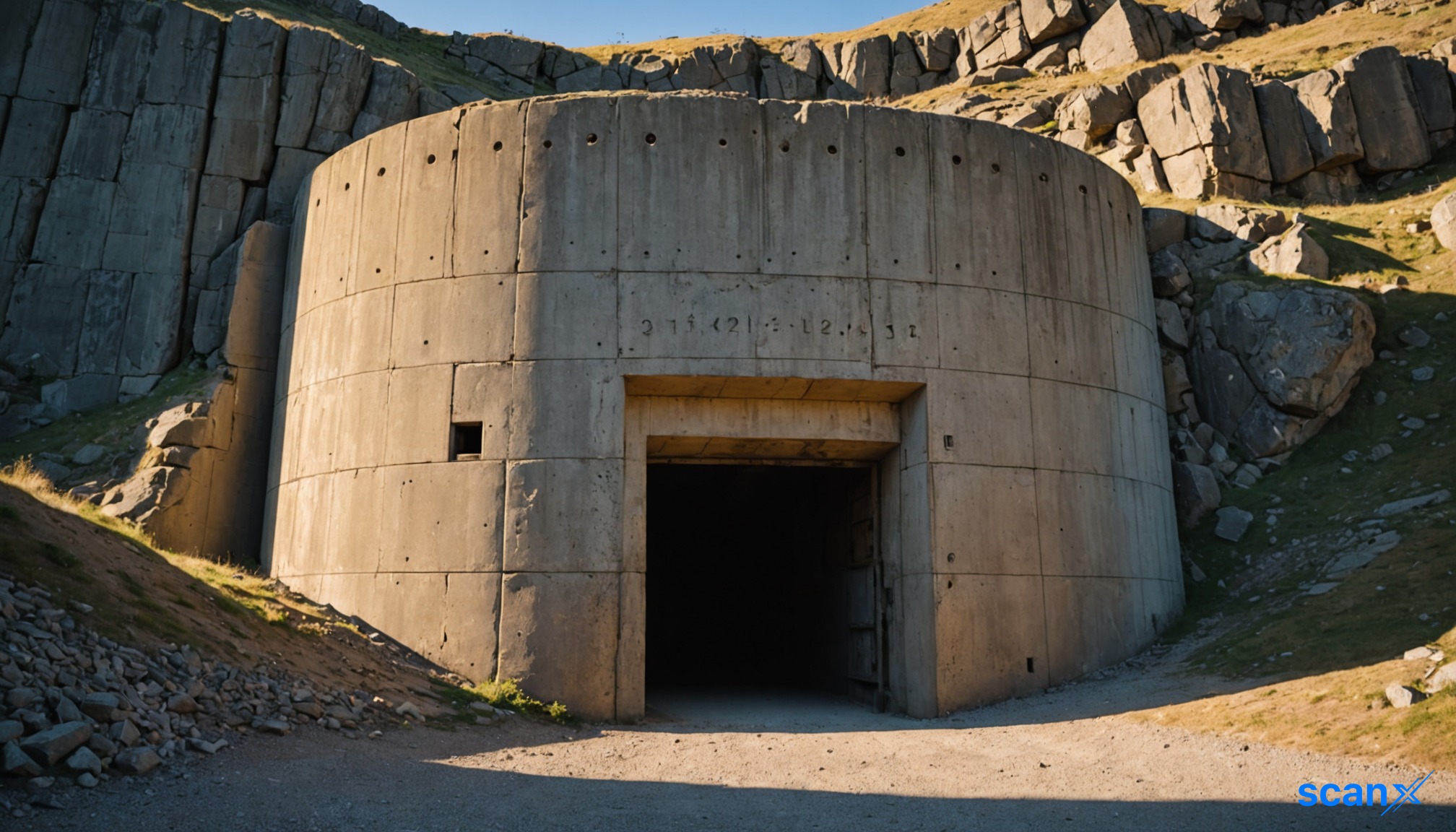
The report highlights the intersection of military decision-making and electoral politics, with the campaign in its final stage at the time of the report. No official confirmation or denial from the White House is referenced in the source material.

Disclaimer: This article is AI-generated using data from LiveSquawk. ScanX is not liable for any inaccuracies.

How might a post-election strike on Iran impact oil prices and global energy markets in the short term?

What are the potential diplomatic repercussions for U.S. alliances in the Middle East if military action resumes after the midterms?

Could renewed conflict with Iran lead to increased volatility in defense sector stocks and broader equity markets?

like16
dislike

IRGC adviser says Hormuz to remain closed until demands are met

scanx
Reviewed by
Anirudha BScanX News Team
Key Highlights
  • IRGC adviser states Strait of Hormuz remains closed until demands are met
  • Illegal transit routes within the strait face imminent closure
  • Escalation intensifies security concerns for global energy logistics
  • Conditional closure language increases uncertainty for shipping sectors
powered bylight_fuzz_icon
52851181

*this image is generated using AI for illustrative purposes only.

Iran's Islamic Revolutionary Guard Corps (IRGC) adviser declared that the Strait of Hormuz will remain closed until specific demands are met. This statement follows earlier claims of control over the waterway and warnings against illegal transit routes.

The escalation highlights growing risks for shipping companies and insurers operating in the region. While oil and gas flows through the strait have risen, the combination of increased throughput and heightened military rhetoric creates a complex risk environment. The correlation between rising attack frequency and increasing commodity flows underscores the strategic importance of the strait to global supply chains.

Security dynamics in the strait

The IRGC's announcement marks a shift from sporadic incidents to explicit assertions of territorial control. This development coincides with the existing trend of increased attacks on vessels, suggesting a coordinated effort to regulate or disrupt traffic through the chokepoint. The move impacts the stability of energy exports, as the strait remains a critical artery for global oil and gas supplies.

The adviser's comment that "illegal routes" will be closed adds specificity to the threat, implying targeted restrictions rather than a total blockade of all legal traffic. However, the condition that the strait remains closed "until demands are met" introduces significant uncertainty regarding the duration of any disruption. This conditional closure language elevates the geopolitical stakes beyond mere transit warnings, positioning the strait as a direct lever in diplomatic negotiations.

Disclaimer: This article is AI-generated using data from ViewTrade. ScanX is not liable for any inaccuracies.

How might global insurance markets adjust war risk premiums for Gulf shipping lanes in response to the IRGC's explicit territorial claims?

What alternative energy export routes or pipeline capacities could major producers activate to mitigate supply disruptions if the Strait of Hormuz remains partially closed?

Will the US and allied navies alter their current patrol strategies or rules of engagement to enforce freedom of navigation against Iran's conditional closure threats?

like16
dislike